
Europe is once again pushing for greater independence in space. In Paris, Emmanuel Macron called for a European crewed spaceflight program within 10 years, while also acknowledging that the ambition comes with a high price tag and a program that remains fragile.
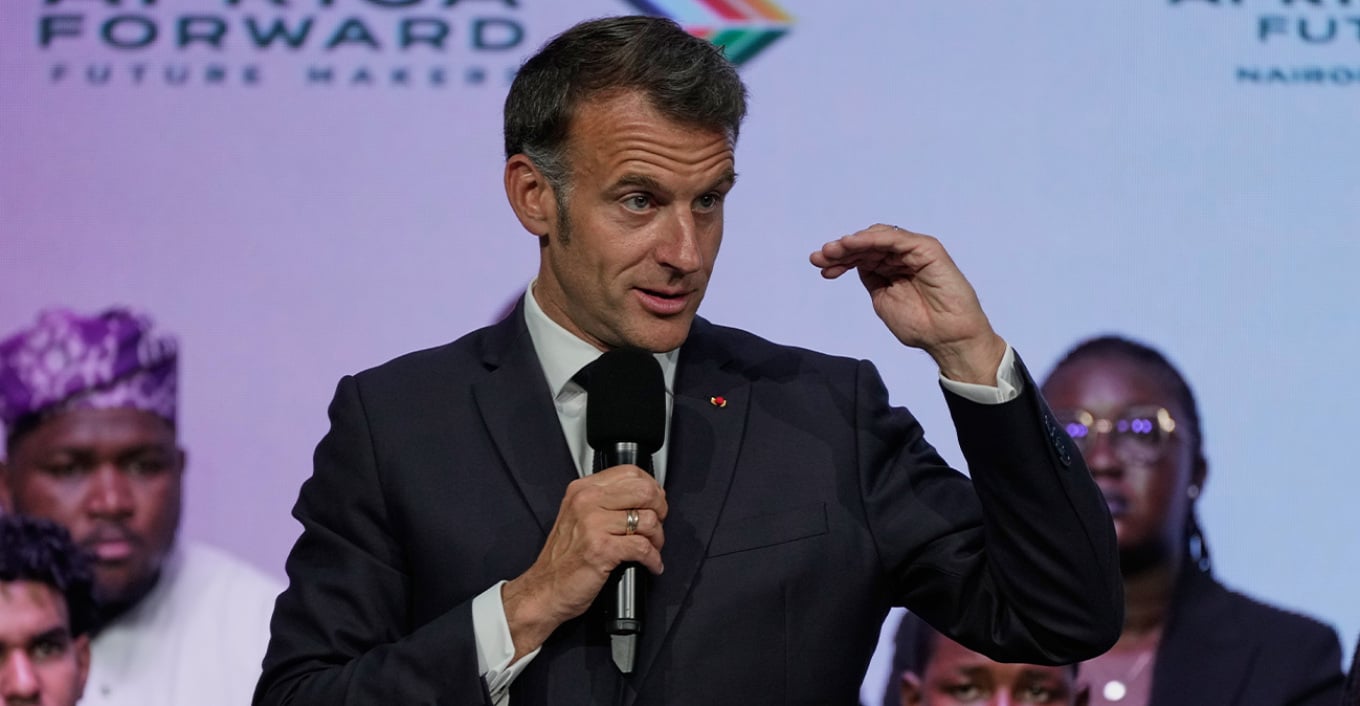
Call for European autonomy in space
At the international space summit in Paris, the French president said Europe must strengthen its autonomy in a sector that is increasingly being treated as strategic.
According to Macron’s statements, the goal is for the continent not to remain only a user of others’ capabilities, but to build its own track for missions with astronauts.
Objectives divided into three phases
The plan presented publicly sets out several clear deadlines. Within two years, the European transport capsule “Nyx” is intended to dock with the International Space Station.
Within five years, the “Argonaut” module is expected to land on the Moon. The most ambitious step, according to this vision, is that within 10 years a European capsule carrying astronauts would launch from the Kourou base in French Guiana.
High cost and a dependency it aims to replace
Macron acknowledged that the European space program remains fragile and requires more investment, placing the debate not only on technological ambition but also on the willingness of member states to pay the bill.
The director of the European Space Agency, Josef Aschbacher, estimates that the project requires about €1 billion in investment every year. According to him, the alternative of buying flights from foreign operators would cost Europe €5 billion over the next decade.
The decision passes to member states
Despite the ambitious tone of the initiative, the concrete steps do not depend on Paris alone. Member states of the European Space Agency are expected to decide on the continuation of the project at the ministerial meeting in December.
This will show whether the political call for “autonomy” will turn into funding and binding deadlines, or remain another major European objective dependent on compromises between governments.
The debate is no longer only technical. It is linked to how Europe chooses to invest in strategic sectors, at a time when global competition for space is becoming tougher and more expensive.
For now, Macron’s initiative remains a political call with clear objectives on paper, but with financial and institutional decisions still open.