
The free check-up service, now transferred to state administration after the end of the concession contract, is facing supply problems from the outset. In some health centers, the service is being carried out at a very limited pace, while citizens are waiting for a phone call from staff to schedule their screening.
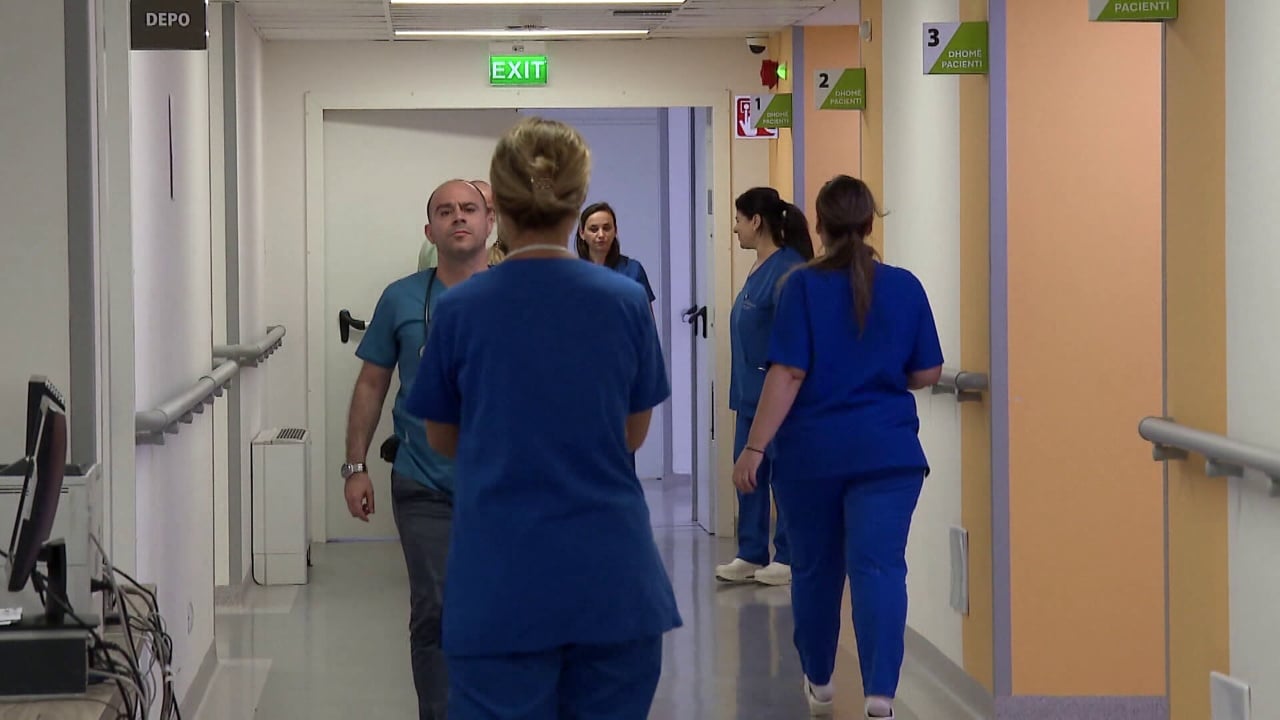
The service moved to the state, but the start is being accompanied by obstacles
After the closure of the concession contract for the check-up service, it is now being provided by the state through the Operator of Integrated Health Services. At the end of August, health centers were also sent instructions from the Ministry of Health on how the service should function and the responsibilities of each structure.
However, the transfer of the service into the hands of public institutions does not appear to be going smoothly. In the very first weeks, concrete difficulties have emerged that are directly affecting the number of screenings that can be carried out each day.
Limited number of kits, screenings reduced to a minimum
According to the published information, health centers do not have enough kits to carry out the check-up service. The limited supply is leaving family doctors facing demand that is higher than the actual capacity available.
In practice, only 5 to 7 check-ups are currently being carried out per day at a health center. This is far from a service presented as free and accessible, but which on the ground is operating under rationing.
Citizens do not show up when they want, but only after a phone call
The procedure being followed is for citizens to be notified by phone by nurses to come to the health center. This means citizens cannot receive the service at the moment they request it, but must wait for a call from staff.
This is precisely where the bottleneck is being created: with few kits available and growing demand, the timing of that phone call remains unclear for many people waiting to undergo the screening.
The expansion of the age bracket has increased demand
With the end of the concessionaire company’s contract, the category of beneficiaries of the free check-up has also been expanded. The service is now offered to people aged 35 and over, without the previous upper limit of 70 years old.
This change has increased interest especially among citizens over 70, who are now entitled to undergo the screening. But the expansion of the scheme, without sufficient kit supplies, is highlighting the gap between the official announcement and the real implementation in health centers.
Instead of the transfer of the check-up service to the state immediately translating into easier access, the first signals point to a limited service dependent on supplies that are not meeting demand.
For citizens, the problem is not only the promise of a free screening, but the real possibility of receiving it without unclear waiting times and without obstacles that the public system, at least so far, has not been able to resolve.