
The Supreme Court has upheld the security measure against Erion Veliaj, while the reaction from the defense has been sharp. Lawyer Plarent Ndreca presented the decision as an alarm signal for the relationship between the courts and for the real weight of Constitutional Court decisions in the justice system.
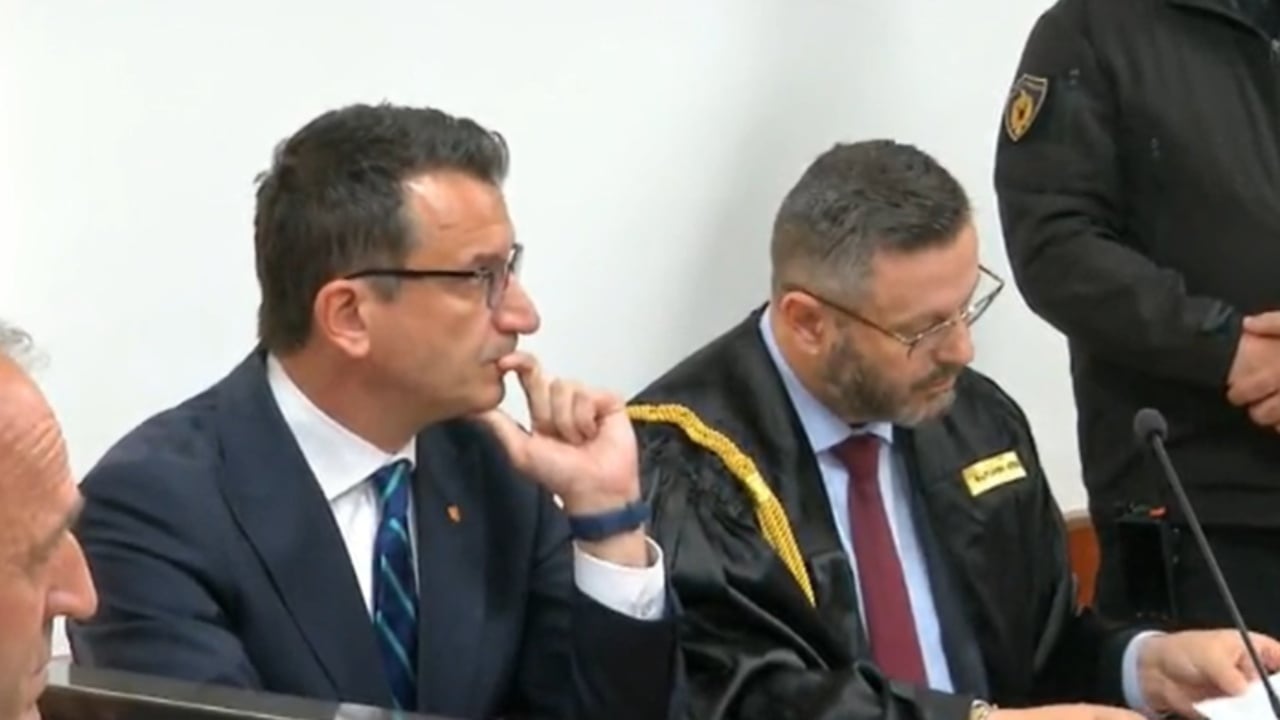
Strong reaction from the defense
In a reaction published on social media, Ndreca called the Supreme Court’s decision “extremely troubling” for the rule of law, legal certainty, fundamental rights and democracy.
According to the lawyer, by upholding a ruling that, in his view, had been overturned by the Constitutional Court, the Supreme Court has raised a serious issue over the binding effect of decisions by the country’s highest constitutional authority.
Questions over the implementation of Constitutional Court rulings
Ndreca said the full reasoning of the decision will be analyzed by the defense, but insisted that the announced outcome opens a serious legal and institutional debate.
According to him, if Constitutional Court decisions are not effectively implemented, then the very value of constitutional guarantees is called into question. He added that when such a conclusion finds no convincing explanation in the Constitution and in the law, doubts go beyond a purely legal debate.
The case is also linked to the mandate at Tirana City Hall
The lawyer argued that the consequences are not limited to Veliaj’s personal case, but also affect the exercise of his mandate as the elected mayor of Tirana and the normal functioning of the institution.
In his reaction, Ndreca claims that for 19 months the citizens of Tirana have been deprived of the leadership of the mayor they elected by vote. He also stressed that Veliaj, under the principle of the presumption of innocence, continues to be considered innocent while being held in pretrial detention, even though the investigation, according to him, was completed a year ago and the case is now on trial.
The defense warns of further steps
Ndreca said the defense will use every legal means provided by the Constitution, the law and international instruments.
In the same reaction, he presented the clash not only as a battle for Veliaj, but as a test of justice standards and of respect for the constitutional order in the country.
The Supreme Court’s decision keeps the security measure against Veliaj in force, while the defense’s objection pushes the debate from the individual case to the way the hierarchy of judicial decisions functions in Albania.
Beyond political rhetoric and the public clash, the essence of the issue remains the same: how binding Constitutional Court decisions are in practice when other courts issue rulings that the defense considers to be in conflict with them.