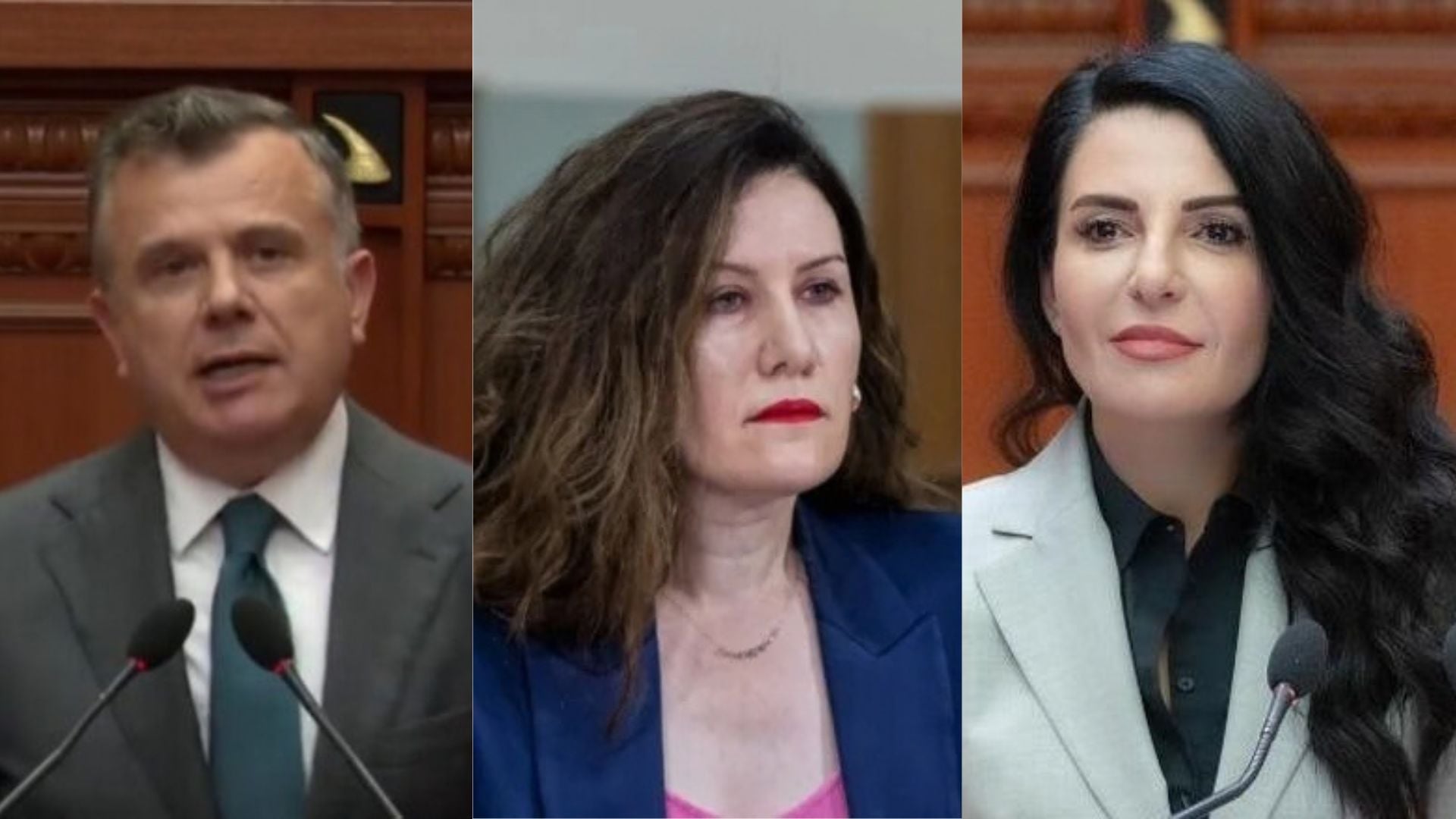
Part of SPAK’s investigative file on SHISH chief Vlora Hyseni brings to the surface a relationship that goes beyond the version of the alleged “cooperation” with Ergys Agasi. The documents administered by investigators speak of intensive communications, the exchange of sensitive information and messages that raise serious questions about the institutional boundaries of that relationship.
What the investigative file contains
The documents made public include Vlora Hyseni’s testimony at SPAK and the data that prosecutors say they obtained from her communications with Ergys Agasi.
According to the file, on July 20, 2026, the vehicle with plate number GG444AA, owned by Ergys Agasi, was seized at the premises of “Equos Resort” in Tirana. Later, through a report dated July 22, 2026, nine large-format printouts were also seized inside the vehicle, described as diagrams with data similar to that produced by the State Intelligence Service.
The same file says that Agasi himself, during the hearing to verify the security measure, admitted that the vehicle was his and that he had left the items there so they could be found by the bodies of the Special Prosecution.
Hyseni’s version and SPAK’s objection
Vlora Hyseni was questioned on September 18, 2026 as a person with knowledge of the criminal offense. She acknowledged ongoing communication with Agasi until the day of his arrest, but denied physical meetings and stated that he had offered “cooperation” to SHISH.
According to the file, Hyseni also denied that Agasi had secured information from SHISH and pledged to provide an official response, by classified letter, on the origin of the seized diagrams.
But SPAK presents a completely different reading of this relationship. The investigative acts state that, from the content of the seized conversations, Agasi does not appear in the role of a “collaborator,” but as the person who receives and dictates the information.
508 communications and contact even while wanted
One of the strongest elements in the file is the volume of communications between them. For the period from June 28 to August 26, 2026, SPAK says it identified voice and video calls on the “Signal” application, including 70 incoming Vlora-Ergys calls, 17 outgoing Ergys-Vlora calls, 28 missed calls and 26 unanswered calls.
According to the same data, a total of 508 forms of communication between the two people were stored in the BIOME function of Agasi’s phone, including calls, video calls, voice messages and text conversations.
SPAK underlines that these contacts continued even during the period when Agasi was wanted by justice. The file adds another sensitive element: for this person, described as a “collaborator,” the head of SHISH does not appear to have informed any institutional instance.
Messages about meetings, itineraries and senior names
The file also includes messages with personal overtones, such as: “All these people who have done to us what they have done, I want them to pay,” “Darling, we simply need to concentrate on our own problem,” “All of us,” and “We will end badly, my love.” According to SPAK, these communications support the suspicion of a personal and ongoing relationship between them.
Investigators also say that Hyseni relayed information to Agasi about her agenda and meetings. In a message from August 24, 2026, she wrote: “Tomorrow I have to meet the PM at 8:30.”
According to the file, the communications also included data on the itinerary, the nature of the meetings and the international partners expected to be met. In another message dated August 19, 2026, it says: “Skënder called me to meet on Monday,” where in the file this name is identified as Skënder Hita, Director General of Police. The message continues: “Let’s hope he has instructions from the PM…”
The message about Balla and Balluku
One of the most political parts of the investigative material is linked to preliminary information that, according to the file, Hyseni was relaying to Agasi. In that communication it reads: “Taulant Balla Speaker of Parliament…. That’s how the info is… Bela with Tao buddy.”
It is precisely these fragments that give the file a weight that goes beyond the personal relationship between the two people and touches on the circulation of information near the highest levels of power. At this stage, these are claims and data presented in SPAK’s investigative acts, which are expected to be tested further in the judicial process as well.
The publication of these communications raises serious questions about institutional control, the boundaries of sensitive information and the way the contacts of an official at the head of SHISH with a person under investigation were managed.
In essence, the file does not simply present a series of messages, but a picture that puts pressure on the official version of the relationship declared as “cooperation.”