
Another debate over the pace at which draft laws are passed in Parliament emerged in the Committee on Legal Affairs during discussion of the initiative “On the prevention of money laundering and terrorist financing.” According to the version presented at the meeting, the majority sought to move the initiative forward quickly, linking it to European integration obligations, while the opposition raised questions over the accelerated review of a law with broad impact.
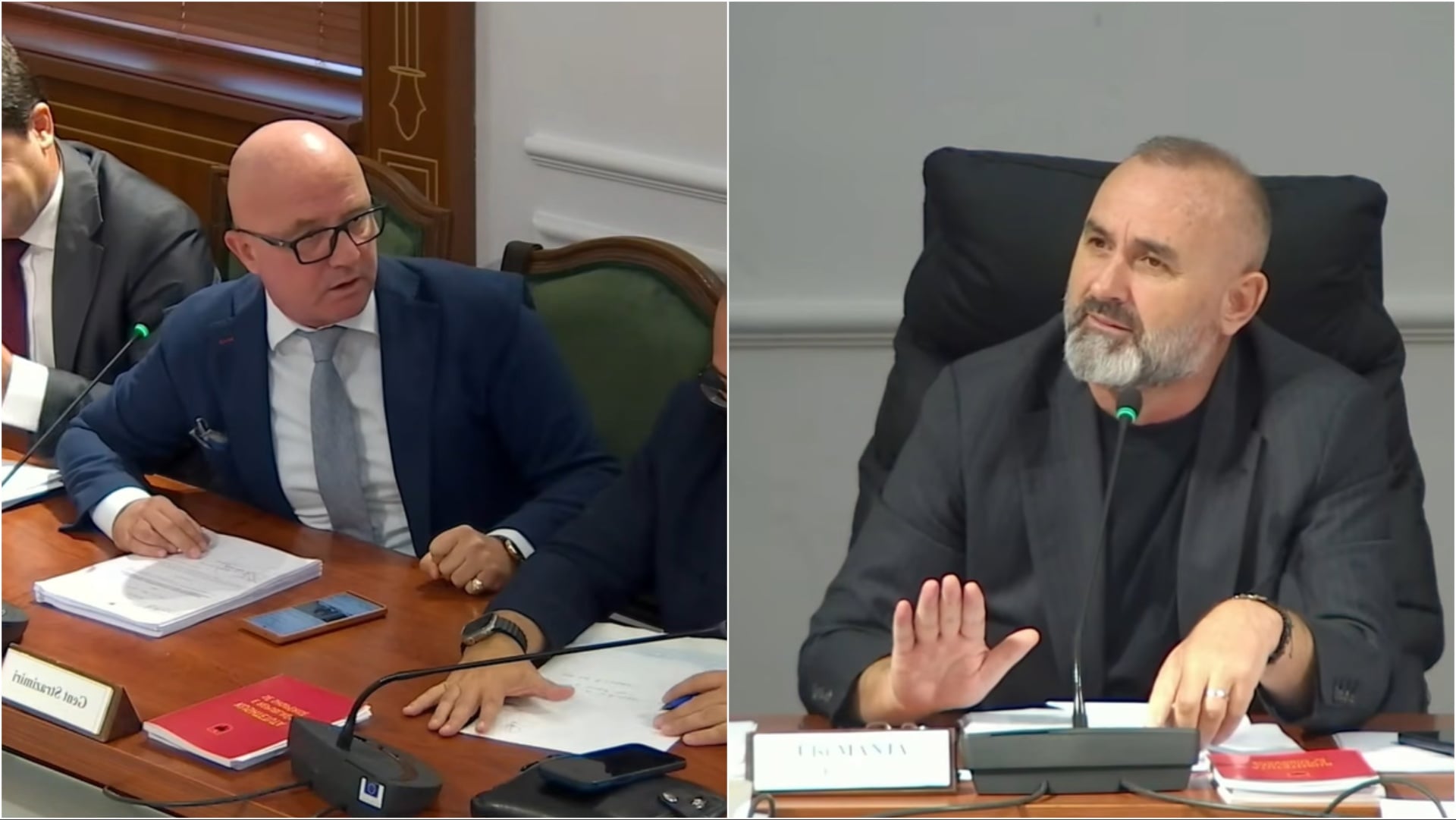
The majority seeks a fast pace, citing integration
Ulsi Manja called for the procedure to continue, arguing that the committee should issue its position in time for the draft law to then move for review to the Economy Committee, designated as the responsible committee.
According to Manja, the initiative is linked to alignment with the European Union acquis in the field of preventing money laundering, and the sooner it is approved, the sooner the relevant obligations will be fulfilled. He also argued that the committee he leads reviews compliance with the Constitution and the legal framework in force, without intervening in the content of the draft law when it comes to fully prepared initiatives.
Strazimiri objects: you are passing a major law in 20 minutes
MP Gent Strazimiri openly objected to the way the procedure was being handled, asking for more time for review. He mocked the pace of the meeting and cast doubt on the seriousness of the process, saying that with this logic the majority could insert into the law issues that have nothing to do with its subject and pass them the same day.
At the core of his objection was the deadline for the initiative’s entry into force. According to Strazimiri, the law does not need to be passed in haste because it enters into force in 2028, and he therefore asked for it to be analyzed more carefully after a month. He described as problematic the fact that such a draft law, with potentially broad consequences, was being pushed forward within a few minutes.
The exchanges focused on procedure, not content
The debate did not unfold over the concrete articles of the draft law, but over the pace of review and the limits of the committee’s role. Manja insisted that the agenda should be respected and that delay would create problems in Parliament’s calendar.
For his part, Strazimiri warned that such a procedure could produce consequences that the committee itself has not properly weighed. The clash once again highlighted a familiar practice in Parliament: the use of the integration argument as a reason to narrow debate and shorten review time for important draft laws.
“Do not obstruct integration,” the debate’s closing line
At the end of the exchanges, Manja asked Strazimiri not to obstruct integration and for the agenda to continue. That phrase sealed the tone of the meeting: a majority seeking swift procedure and an opposition claiming that thorough scrutiny is being bypassed.
Beyond the political clash, the essential question remains over how sensitive initiatives that affect the legal architecture and financial oversight are handled in committees: through real analysis or through accelerated voting under pressure from the political agenda.
The debate in the Legal Affairs Committee left behind not only political exchanges, but also doubts over the standard of parliamentary scrutiny for draft laws presented as linked to European integration.
When such an initiative is pushed with procedural urgency, without broad debate on its content, the weight of responsibility remains with Parliament and with the way this pace is justified to the public.