
The majority is seeking another special commission in Parliament for the second phase of the administrative-territorial reform, after the new division into 46 municipalities has already been approved. According to the request filed by the SP parliamentary group, the next focus will be on functions and services, local finances and the regional level — in other words, the most sensitive part of the reform, the one that directly affects local government and public money.
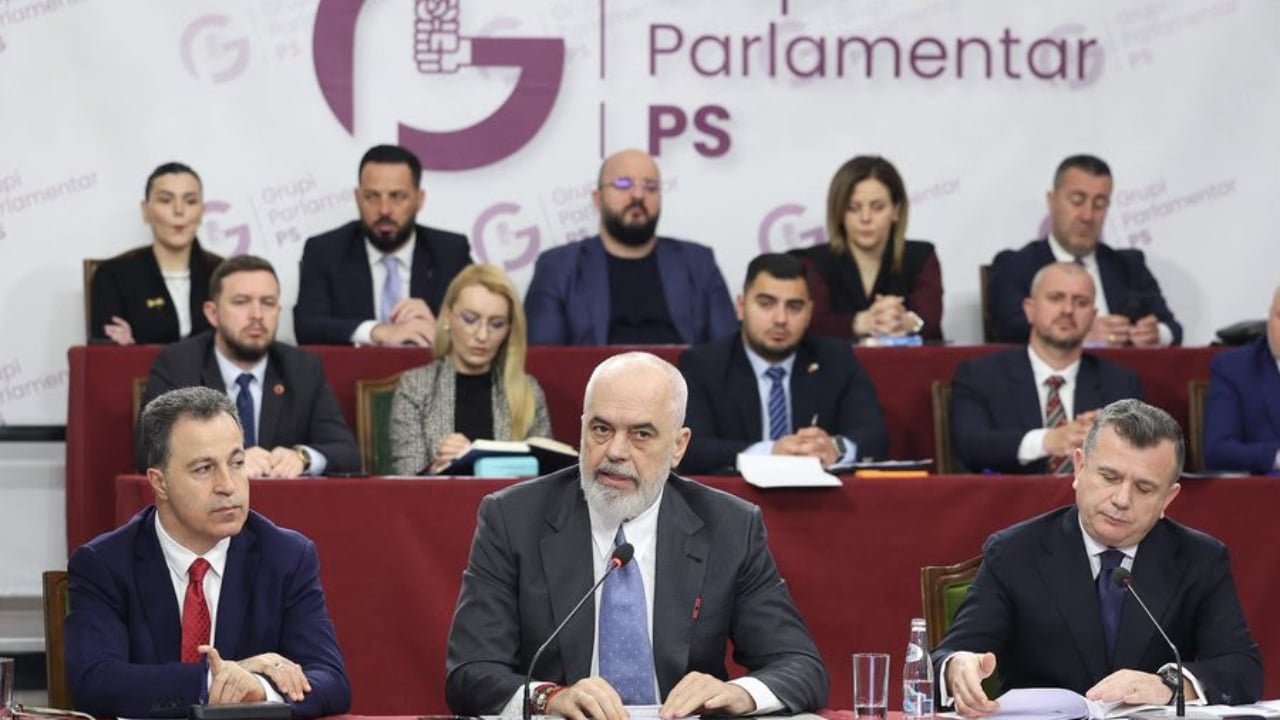
After the new map, the majority opens the second phase
In the request submitted to Parliament, the SP argues that the first phase of the reform was concluded with the final report of the previous commission and with the approval, in October 2026, of Law No. 100/2026 on the new administrative-territorial division.
According to the official version, the new map organizing the country into 46 municipalities is considered only the first pillar of the reform. The other three pillars — functions and services, local finances and the regional level — require new legal interventions which, according to the majority, should be prepared within the next year.
What the new commission предусматриes
The request provides for the establishment of a Special Parliamentary Commission with a nine-month mandate, with 16 members according to the representation of the parliamentary groups. The chair will be from the majority, while the deputy chair will be from the minority.
The commission will review the legal and institutional framework of local self-government, analyze the functions and competencies of municipalities, and propose changes on fiscal decentralization and the regional level. The package also includes possible amendments to the law on local self-government, the law on local finances, and the law on regional development and cohesion.
Focus also on implementing the new map by 2027
Part of the commission’s mandate is linked not only to new laws, but also to monitoring the implementation of Law No. 100/2026 and transitional measures for the establishment of the new municipalities ahead of the 2027 local elections.
According to the request, the commission will also coordinate its work with the Special Parliamentary Commission on Electoral Reform on issues of representation. This shows that the territorial reform is not being treated simply as an administrative issue, but as a process with a direct impact on the local political and institutional architecture.
Broad consultations on paper, the test lies in implementation
The document speaks of broad consultations with municipalities, their associations, civil society and international partners, as well as alignment with European Union standards and the European Charter of Local Self-Government.
But the real weight of this process will be measured by the content of the laws that emerge from the commission: how competencies will be divided, who will bear the financial burden of services, and how much real space will be left to municipalities beyond political wording on decentralization. The request also provides for the establishment of a group of domestic and international experts, as well as a technical secretariat to support the commission.
The SP’s request takes the territorial reform into a new parliamentary phase, where the debate is expected to shift from borders to the concrete functioning of local government.
It is precisely there that it will become clear whether the reorganization presented as reform will produce better services and more sustainable finances for municipalities, or just another package of changes directed from the center.