
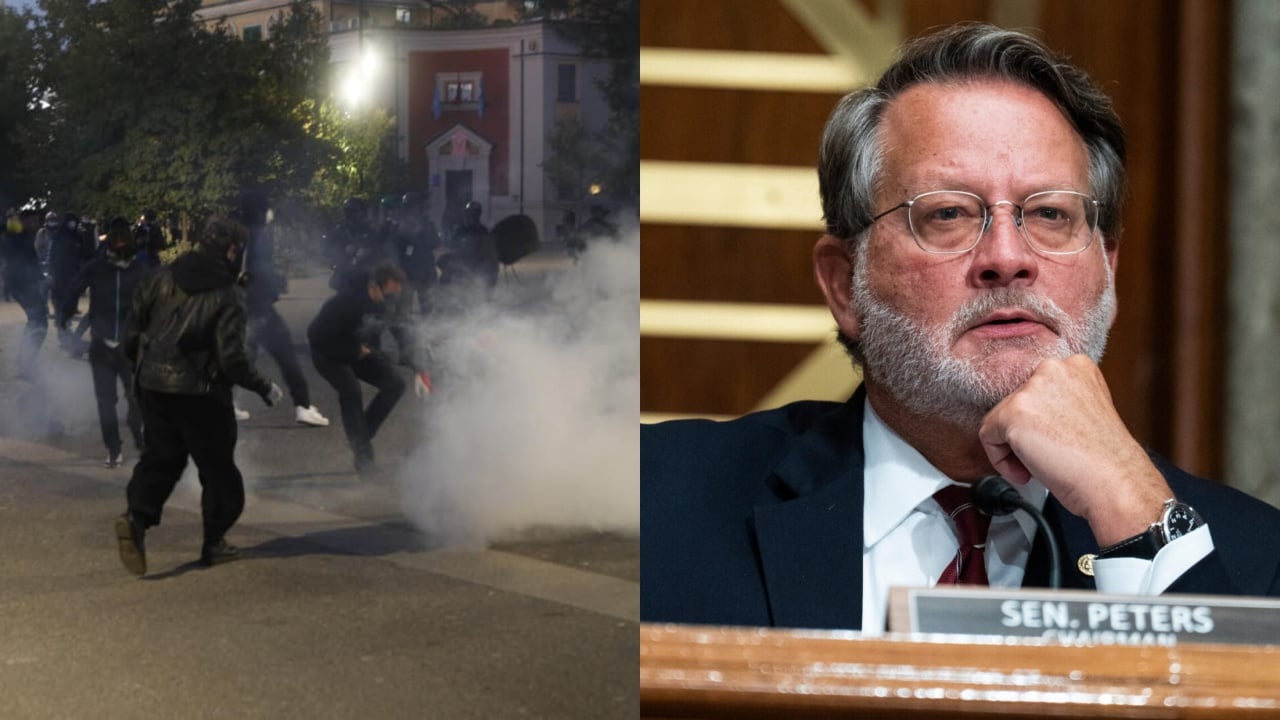
A reaction from American politics has been added to the tense developments in Albania. Democratic Michigan Senator Gary Peters has publicly called on authorities to avoid aggression against peaceful demonstrators, while raising concern about the escalation of the situation.
A direct call to the authorities
Through a post on the social network X, Peters said he was concerned about the latest developments in Albania and called for restraint from the authorities in the face of the protests.
“I am deeply concerned about the escalating situation in Albania. Local authorities must refrain from aggression against peaceful demonstrators, while everyone on the ground should work to reduce tensions and prevent further violence,” the American senator wrote.
A political message on governance and rights
In his response, Peters links the situation not only to the management of the protests, but also to the democratic standards that, according to him, institutions must guarantee.
“The Albanian people deserve a government that respects their fundamental rights and protects the rule of law. For this reason, I will continue to advocate for peace and justice for all Albanians,” he wrote.
The weight of the Albanian-American community in Michigan
The senator also stressed that developments in Albania are being closely followed in the United States as well, especially in Michigan, where a large and active Albanian-American community lives.
This element also gives the reaction a domestic American political dimension, beyond the public message on the tensions on the ground.
Who is Gary Peters
Gary Peters has represented the state of Michigan in the US Senate since 2015 and is a member of the Democratic Party.
He has held roles on important Senate committees, including the Committee on Homeland Security and Governmental Affairs.
Peters’ reaction comes at a time when the way authorities are responding to the protests is drawing attention beyond Albania as well.
The American senator’s statement places the focus on the use of force, respect for fundamental rights, and the institutional responsibility not to further escalate the confrontation on the ground.