
Public transport is entering discussions on the 2027 budget with a direct warning: if the tax burden increases, the cost is again expected to fall on citizens. The National Association of Urban Transport has asked Parliament to treat this service with a reduced 6% VAT rate, opposing the proposed increase in VAT from 20% to 21%.
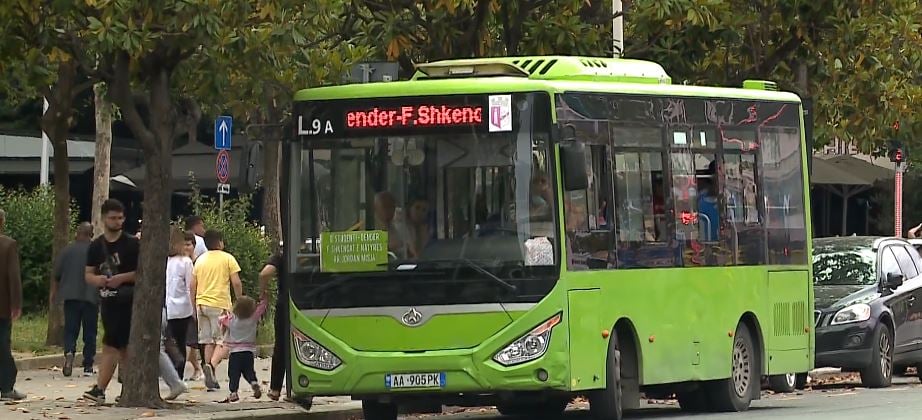
Call for reduced VAT on an essential service
In their letter to Parliament, the operators argue that public transport is used by around 450,000 to 500,000 citizens across the country and should be treated as an essential service for families, not as a sector burdened with additional taxes.
According to their request, the VAT rate for public transport should be reduced to 6%, while the plan to raise it from 20% to 21% is opposed as a measure that could directly hit the daily users of this service.
Warning: tax pressure could lead to more expensive tickets
The association says that, in the absence of a reduced rate, the pressure will be passed on to the price of daily tickets and monthly passes. According to the operators, the effect would be felt especially by students, pensioners and vulnerable groups, the groups that depend most on public transport.
Their argument also cites rising fuel costs, living expenses, wages and maintenance costs, while the operators stress that they cannot unilaterally change ticket and pass prices. This makes the tax debate even more sensitive for the sector’s finances.
What other relief the sector is seeking
In addition to lowering VAT, operators are seeking to exempt licensed buses from the new annual circulation tax. They are also calling for the removal of excise on fuel used in public transport or, at least, the creation of a reimbursement scheme.
These demands are being presented in the framework of discussions on the 2027 budget and fiscal package, putting Parliament before a decision that affects not only businesses in the sector, but also thousands of citizens who use transport every day.
Hearing requested in Parliament
The National Association of Urban Transport is requesting a hearing and a special analysis of the effects that next year’s fiscal package could have on the sector and on citizens.
At its core, the operators are asking that decision-making not be guided solely by the logic of collecting more revenue, without calculating how much this will cost users of public transport.
The debate over VAT and taxes in urban transport is thus shifting from the fiscal table to citizens’ pockets. If the operators’ demands are not taken into account, their warning is clear: the bill could be reflected in ticket prices and monthly passes.