
One of the strongest El Niño events recorded in at least the past millennium could significantly worsen the global climate crisis, with consequences ranging from droughts and fires to floods, water shortages and severe blows to food production. The warning has returned to the center of debate during COP31 in Turkey, where pressure on rich countries for more financing is growing.
Grim forecasts for the months ahead
According to assessments presented in the climate discussions, El Niño is expected to peak in December, while its impact could last throughout next year. Scientists are warning of extreme temperatures, irregular rainfall and serious damage to crops.
The phenomenon is linked to the unusual warming of waters in the eastern Pacific Ocean. Although it is a natural cyclical process, its effects do not remain local: it can distort weather patterns on a global scale and add pressure to a climate already destabilized.
The consequences are already emerging in several regions
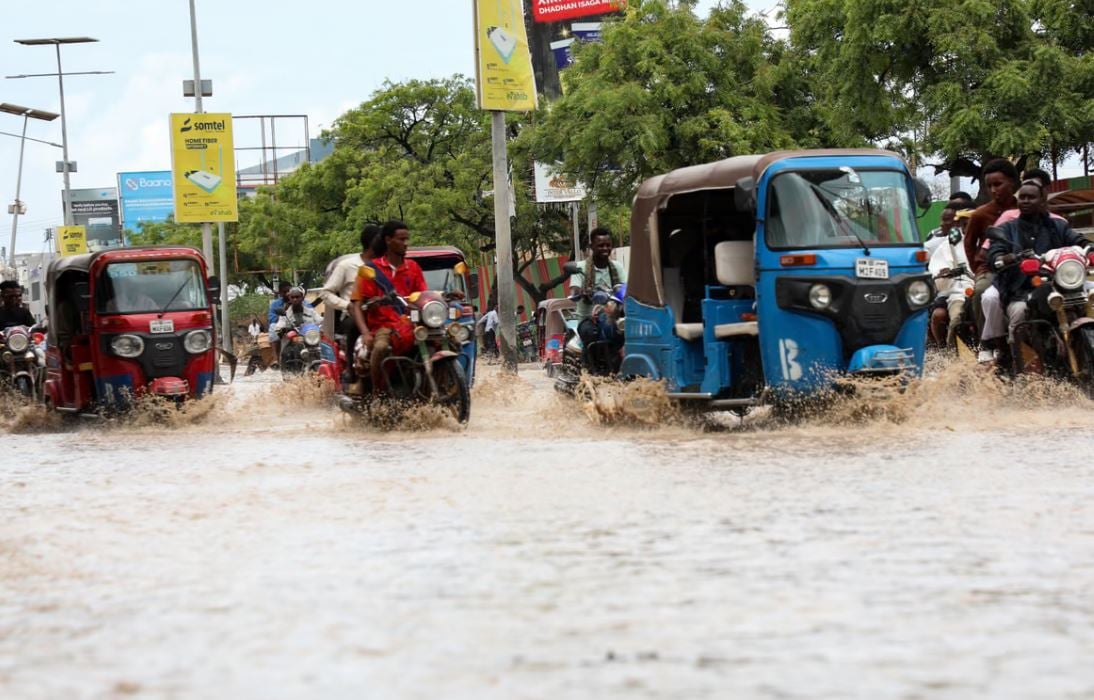
The first signs are being reported in several parts of the world. In Indonesia, major fires and crop damage have been recorded, while coastal flooding has been reported in the United States. Sudan is facing worsening drought, while Ecuador and Somalia have been hit by significant flooding.
One of the most sensitive cases is that of the Marshall Islands, where drought has caused a water supply crisis and authorities have declared a state of emergency. The country relies mainly on rainfall for drinking water, making its exposure even greater in the face of extreme weather fluctuations.
Alarm over displacement and food insecurity
The concern is not only linked to the weather, but also to the social effects that may follow. According to a warning from UNHCR, up to 3 million people may be forced to leave their homes in Kenya, Somalia, South Sudan and Uganda because of drought in East Africa.
In Kenya, the blow to agriculture is already visible: maize production has fallen by 40%. This is expected to weigh on food security and limit the capacity to cope with additional pressure from population movements.
Financing remains far below real needs
Beyond political declarations at international summits, one of the biggest problems remains the lack of funding for the most exposed countries. Although rich states agreed last year to triple funding for adaptation to climate change, the amounts secured are still considered far below what is needed.
According to estimates cited at COP31, by 2035 around $305 billion a year will be needed for the poorest countries to cope with floods, heatwaves, fires and the other consequences of the climate crisis. The message from environmental organizations is direct: diplomatic promises are not enough when communities on the ground are facing shortages of water, food and basic protection.
Experts’ warnings suggest that El Niño is not being seen simply as another climate episode, but as a risk multiplier in a global system already strained by planetary warming.
If financing and concrete measures continue to move more slowly than the crisis, the heaviest burden is expected to fall once again on the countries that have contributed the least to climate change but are paying the highest price.