An intern at NATO’s military headquarters in Belgium has been arrested on suspicion of espionage, in a case that has raised serious questions about security screening at one of the alliance’s most sensitive structures. According to Belgian prosecutors, the suspect is a Canadian woman of Chinese origin.
Prosecutor’s Office cites espionage and criminal organization
According to Belgium’s Federal Public Prosecutor’s Office, the woman is suspected of espionage on behalf of a third country and of membership in a criminal organization.
Authorities have not disclosed her identity, nor the state or structure she is suspected of having acted for. That leaves key elements of the case unclear beyond the initial accusations made public.
She worked at SHAPE, the alliance’s military operational heart
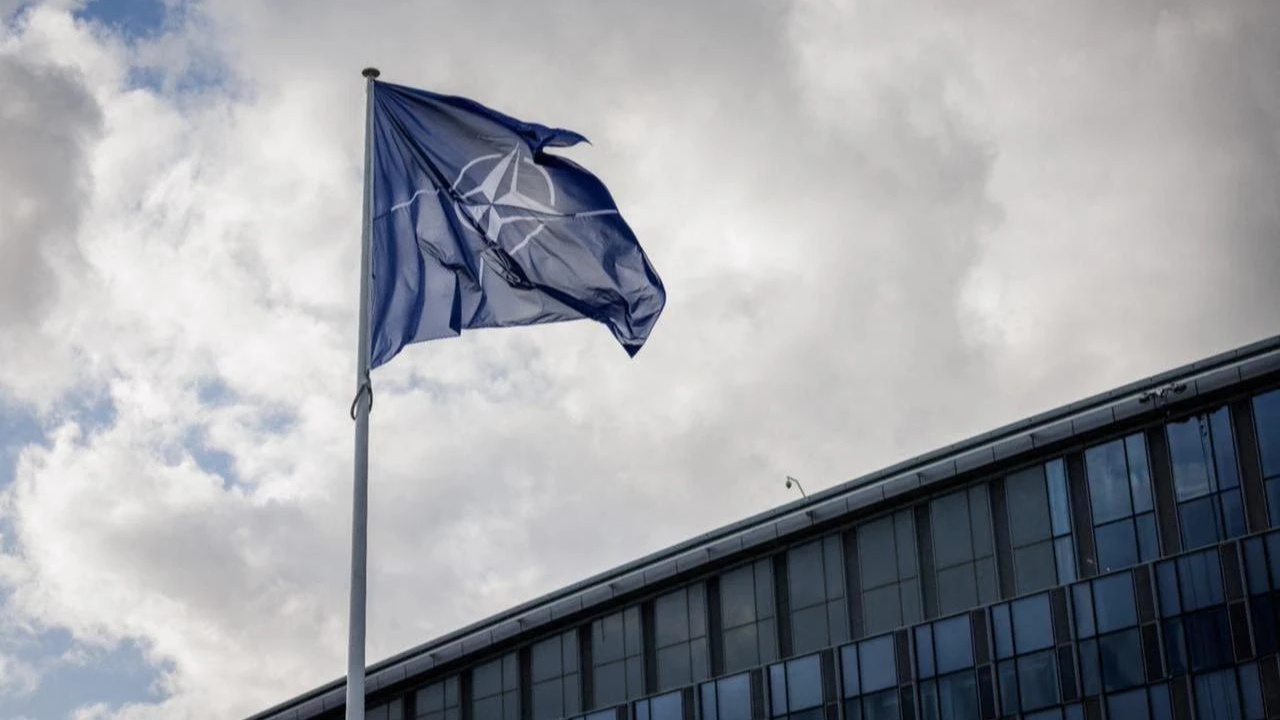
The suspect was an intern at the Supreme Headquarters Allied Powers Europe, known as SHAPE, in the Belgian city of Mons.
This is NATO’s main military headquarters and the base of Allied Command Operations, the structure responsible for planning and carrying out operations of the 32-member alliance. For that reason, the case carries particular weight from a security standpoint.
How the case was uncovered
According to prosecutors’ account, the woman had drawn the attention of security services, which then referred the matter to Belgian intelligence.
Investigators searched her home and workplace, while the arrest was carried out on Friday. So far, no further details have been made public about the materials seized or the specific nature of the information she is suspected of seeking or transmitting.
NATO downplays operational impact
A spokesperson for the alliance said there is no indication that NATO’s operational readiness, command-and-control arrangements or ongoing duties have been affected.
However, the very fact that an intern in such a sensitive structure ended up in handcuffs on such suspicions is expected to add pressure on vetting and oversight procedures within Euro-Atlantic security institutions.
The case remains under investigation and, for now, Belgian authorities are providing only limited information.
What is known so far is that the arrest took place inside one of NATO’s most important military centers, making the case politically and institutionally sensitive.