
Liechtenstein has announced the removal of the rule that excluded women from inheriting the throne, a change of symbolic weight for one of Europe’s most closed monarchies. The decision was made public by Prince Alois on the principality’s National Day, at a time when debates persist داخل the country over the real extent of the princely family’s power.
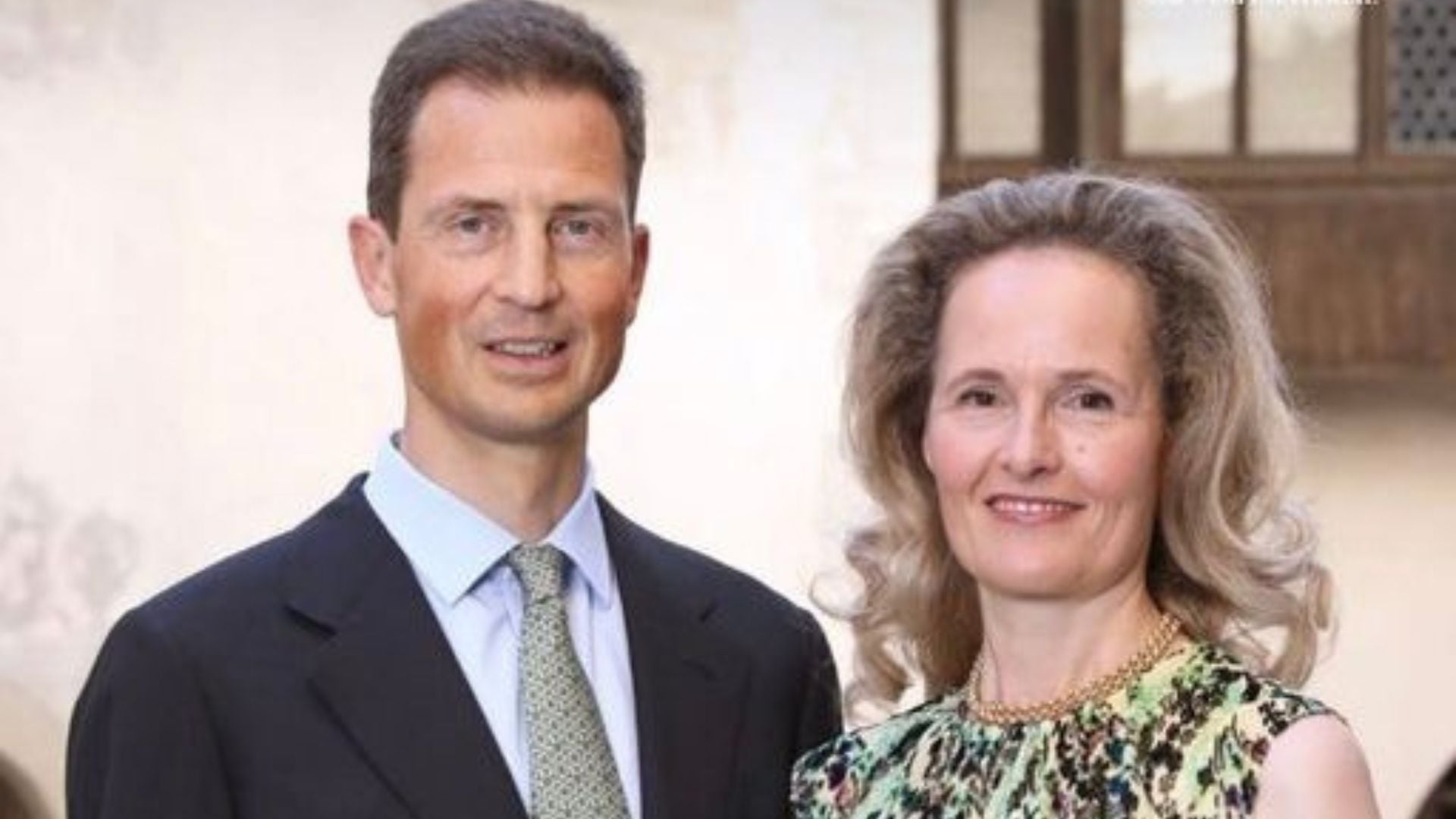
End of a rule that excluded women
According to the announcement made by Prince Alois, the princely family will move from agnatic primogeniture to absolute primogeniture after the family council with voting rights approved the reform by a two-thirds majority.
Until now, the crown had been reserved only for male descendants in the male line. With this change, future princesses will be able to enter the line of succession on the same terms as their brothers.
The change does not immediately affect the order of succession
The reform does not alter the current expected heir. First in line remains Prince Joseph Wenzel, born in 1995, the eldest son of Alois and Princess Sophia.
However, the weight of the decision goes beyond the immediate dynastic order, as Liechtenstein had until now been the only active monarchy in Europe to completely exclude women from the throne.
More progressive than some other monarchies, but with its own limits
The change places Liechtenstein on a more advanced footing than some royal houses that still maintain male preference. Spain continues to keep this principle within the same degree of kinship, while Monaco also maintains a system that favors men.
By contrast, countries such as Sweden, the Netherlands, Norway, Belgium, Denmark, Luxembourg and the United Kingdom revised their succession rules long ago.
A family decision, not a standard state process
The significance of this step is also linked to the way the decision was taken. Succession to the throne is not governed by a government law or a popular vote, but by the law of the Princely House itself, which is also recognized in the principality’s constitutional order.
This means the change came from the ruling family itself, not from a reform imposed by public institutions or direct pressure from voters. This is precisely where the limit of the reform lies: it affects the rule of succession, but not necessarily the balance of power between the monarchy and citizens.
The reform comes amid questions over the prince’s privileges
Alois’s announcement coincided with a period of internal protests over the broad privileges he exercises as the de facto head of state, a role he has held since 2004 under the authority of his father, Hans-Adam II.
Under the principality’s constitutional framework, the prince has significant powers, including appointing judges, dismissing members of the executive, granting pardons and vetoing laws. In a state of more than 40,000 inhabitants, situated between Switzerland and Austria, the announcement opening the throne to women thus came at a moment when part of society is questioning not only the symbolism of the monarchy, but also the concrete power it continues to hold.
On a formal level, Liechtenstein closes a chapter that had kept it behind most European monarchies on the issue of gender succession.
But beyond the reform that sounds modern, the bigger debate in the principality remains the limits of the princely family’s power in the functioning of the state itself.