
A magnitude 7.7 earthquake has struck Indonesia, causing at least 53 deaths and the evacuation of thousands of residents. According to Indonesian authorities, a state of emergency has been declared in the affected area, while operations on the ground have begun to provide assistance and deal with the aftermath.
Death toll and evacuations
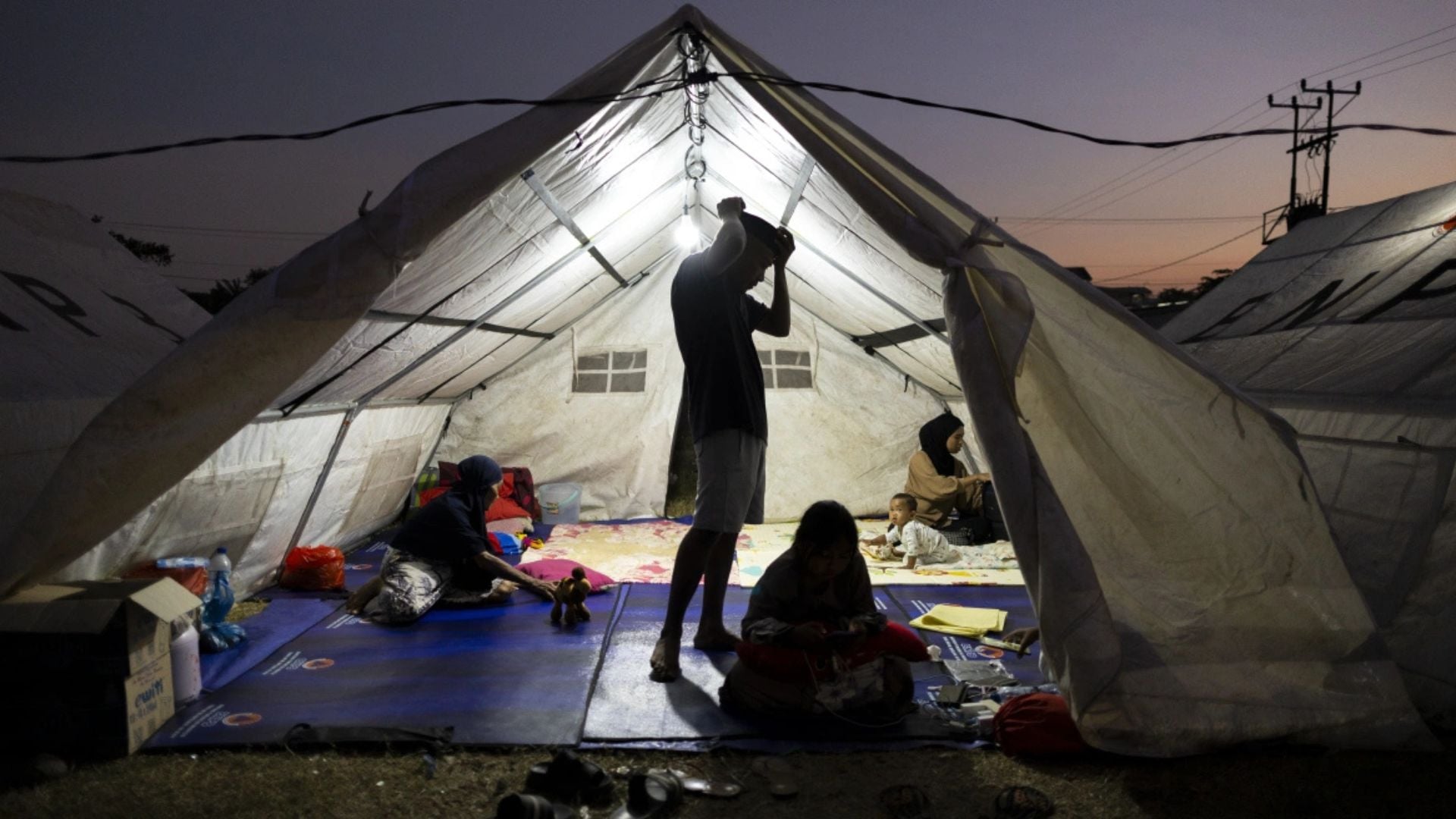
The latest toll shows that 53 people have lost their lives after the powerful seismic shock in the Asian country. In addition to the fatalities, thousands of residents have left threatened areas because of the damage and fears of further tremors.
Authorities have reported large-scale evacuations, while the situation in the affected areas remains severe. The true extent of the damage is expected to become clearer only after on-site checks are completed.
State of emergency and aid
According to the Indonesian government, a state of emergency has been declared in the affected area. At the same time, the distribution of aid to residents affected by the earthquake has begun.
Humanitarian agencies have also been mobilized. The Red Cross and Red Crescent said they are preparing to send aid to the hardest-hit areas.
Why the area is considered high-risk
The region where the earthquake struck is considered to be at high seismic risk because of its position on the Flores back-arc thrust. It is a major fault system in the northern part of the Indonesian archipelago, created by the pressure of tectonic plates colliding in this area.
This makes the region particularly vulnerable to strong tremors and repeated seismic episodes.
An area with a history of major shocks
The same area was also hit in 1992 by a magnitude 7.5 earthquake that caused major damage. The seismic history of the region shows that the risk is not episodic, but continuous.
Indonesia lies on the Pacific Ring of Fire, one of the most seismically active regions in the world. In 2004, a magnitude 9.1 earthquake struck Sumatra and triggered the catastrophic tsunami that killed around 170,000 people in Indonesia and nearly 50,000 more in neighboring countries, becoming one of the deadliest natural disasters in history.
The latest earthquake once again puts the spotlight on Indonesia’s high exposure to natural disasters and the heavy burden caused by delayed or insufficient institutional response in such crisis areas.
For now, the priority remains sheltering evacuees, distributing aid, and fully verifying the consequences in the affected area.