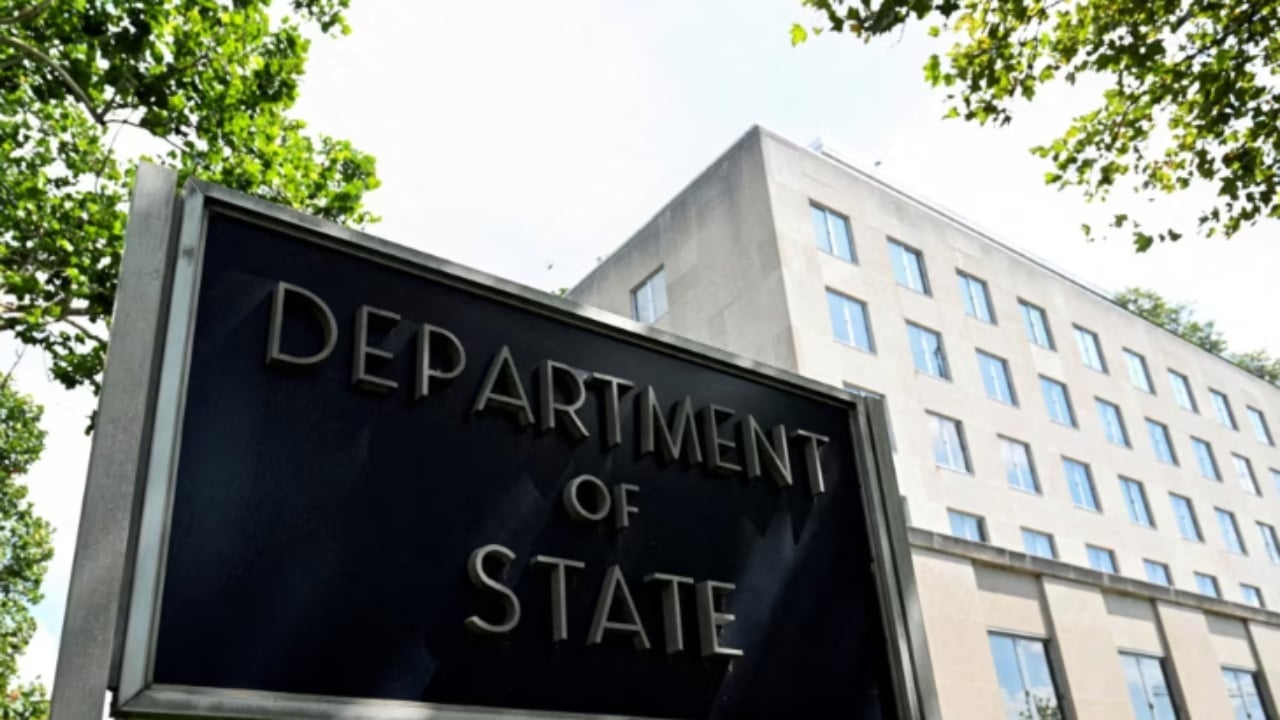
Kosovo’s political blockade is entering an even more problematic phase, as another clear signal has come from Washington for the political class in Prishtina. According to the US State Department, the parties must cooperate to form institutions, while the prolonged deadlock is translating into political and institutional costs for the country.
Second call from the US within days
In a response to Radio Free Europe, a State Department spokesperson called on political leaders in Kosovo to work together to overcome the institutional blockade, in line with the Constitution and the decisions of the Constitutional Court.
According to the American version, the continuing political deadlock is bringing “lost opportunities” for Kosovo, and the time has come for progress and stability to be the priority in the interest of citizens.
This is the second public intervention from the American side in a short period, after the US Embassy in Prishtina made a similar call on August 12.
Parliament still not constituted after the elections
The call comes at a time when Kosovo’s Parliament has still not been constituted after the June 7 elections, leaving the institutional process at a standstill.
The constitutive session of the new legislature began on August 6. Lawmakers took the oath, but the process did not reach the election of the speaker of Parliament, a key step for the normal continuation of institution-building.
The session was then suspended, while its continuation did not produce a breakthrough.
Kurti’s requests and the incident in the session
Albin Kurti, as leader of the Vetëvendosje Movement, asked for additional time for consultations with the parties, arguing that there was still no agreement on forming the institutions.
There was also no candidacy for speaker of Parliament at the August 8 meeting. Kurti again asked for more time for consultations, but the session became tense after AAK lawmaker Time Kadrijaj threw eggs in his direction.
After the incident, session chair Avni Dehari adjourned proceedings. Since that day, the process has remained blocked.
Dispute over how to emerge from the crisis
Avni Dehari has maintained the position that the next session will be called when the parties reach a political agreement, arguing that without prior consensus the meeting would be only a formality.
On the other side, PDK and the Alliance have demanded that the session continue without waiting for a political agreement among the parties. On August 12, lawmakers from these two forces gathered in the Parliament chamber demanding that Dehari call the continuation of the session, while there were also clashes with LVV lawmakers.
Meanwhile, on August 18, Kurti met LDK leader Lumir Abdixhiku. The focus of the talks was the election of the next president, and after the meeting both sides said there is willingness for a solution, while the next meeting is expected to move on to concrete names.
Amid international calls and internal clashes, Kosovo’s political scene remains gripped by a crisis that, at least so far, is producing more blockage than solutions.
American pressure makes it harder for the parties to keep this state of limbo indefinitely, but so far the lack of agreement continues to obstruct the normal functioning of institutions.