
In northern Kosovo, another grave case involving missing persons has entered the identification phase. Kosovo authorities announced that DNA analyses have begun on human remains found at three locations in the municipality of Zubin Potok, while preliminary data suggest they belong to at least 23 people.
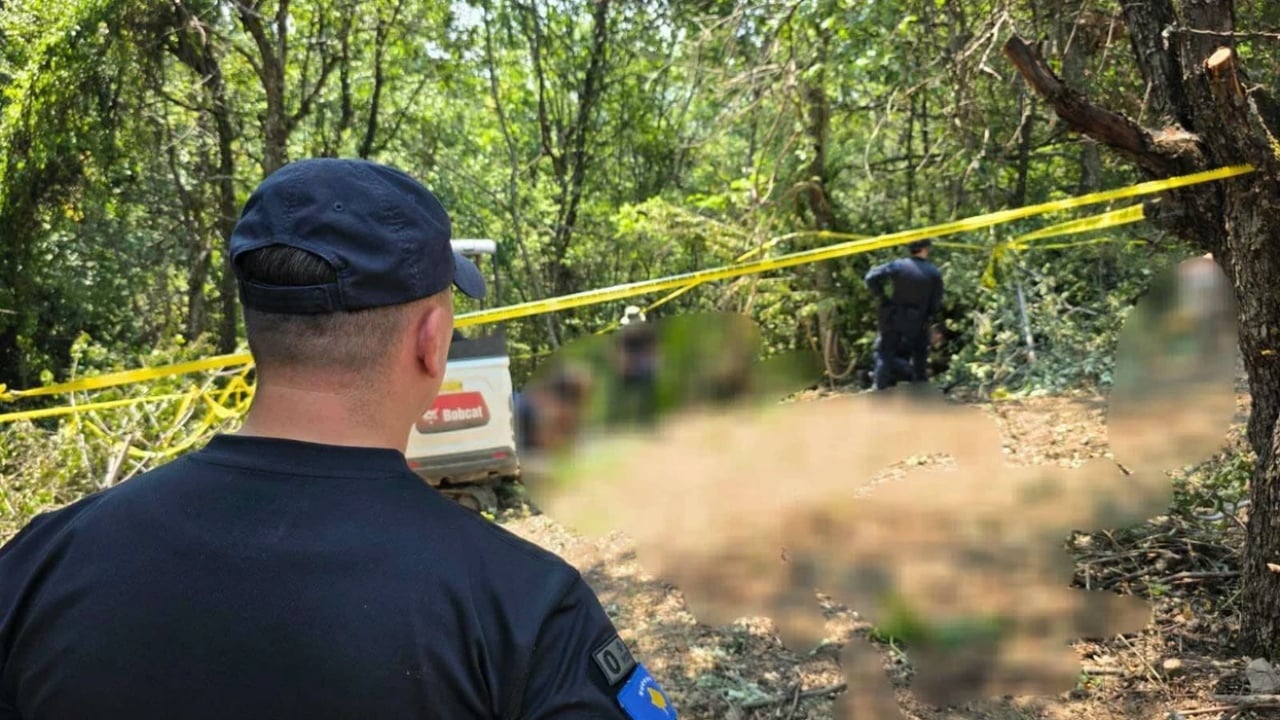
Three locations, 23 suspected individuals
According to the authorities, the remains were discovered at three sites in the villages of Kalludër and Jabukë, after excavations and exhumations were completed.
Based on the figures made public, remains suspected to belong to 13 people were found in one mass grave in Kalludër, four people in Jabukë, and six people at another location in Kalludër. In total, the preliminary toll is 23 people.
The DNA analysis phase has begun
Authorities said the samples taken from the human remains are undergoing DNA analysis as part of forensic procedures to determine identity.
This phase is considered decisive, but not final, since identification is not completed simply by finding the remains and requires laboratory verification and matching with other data.
Matching with relatives’ samples may take time
According to the official version, final identification may take time, as the DNA results must be compared with the data and samples of relatives of the missing persons.
This means that although the laboratory phase has begun, the official answer on the identity of each victim remains dependent on scientific matches and the relevant procedures.
Families await an answer after decades
For the families of the missing persons, the process remains a delayed but necessary step toward clarifying the fate of their loved ones.
According to Kosovo authorities, the examination of the remains is expected to provide more accurate answers about the identity of the victims and to close, at least from a forensic standpoint, a wait that has lasted for decades.
The start of DNA identification moves the case from the excavation phase to laboratory evidence, where preliminary claims must be supported by verifiable results.
Until then, the figure of 23 people remains part of the initial data released by the authorities, while the final answer is expected from the analysis and matching of samples.