
Prime Minister Edi Rama gave a broad explanation after the meeting with ministers in Pogradec, speaking about reforms, sectoral programs and a new platform the government calls “Pasqyra Albania.” According to the official version, it aims to create direct contact between citizens and institutions, but so far more political wording has been made public than concrete details on how it will function, what guarantees it will provide and how accountability will be ensured.
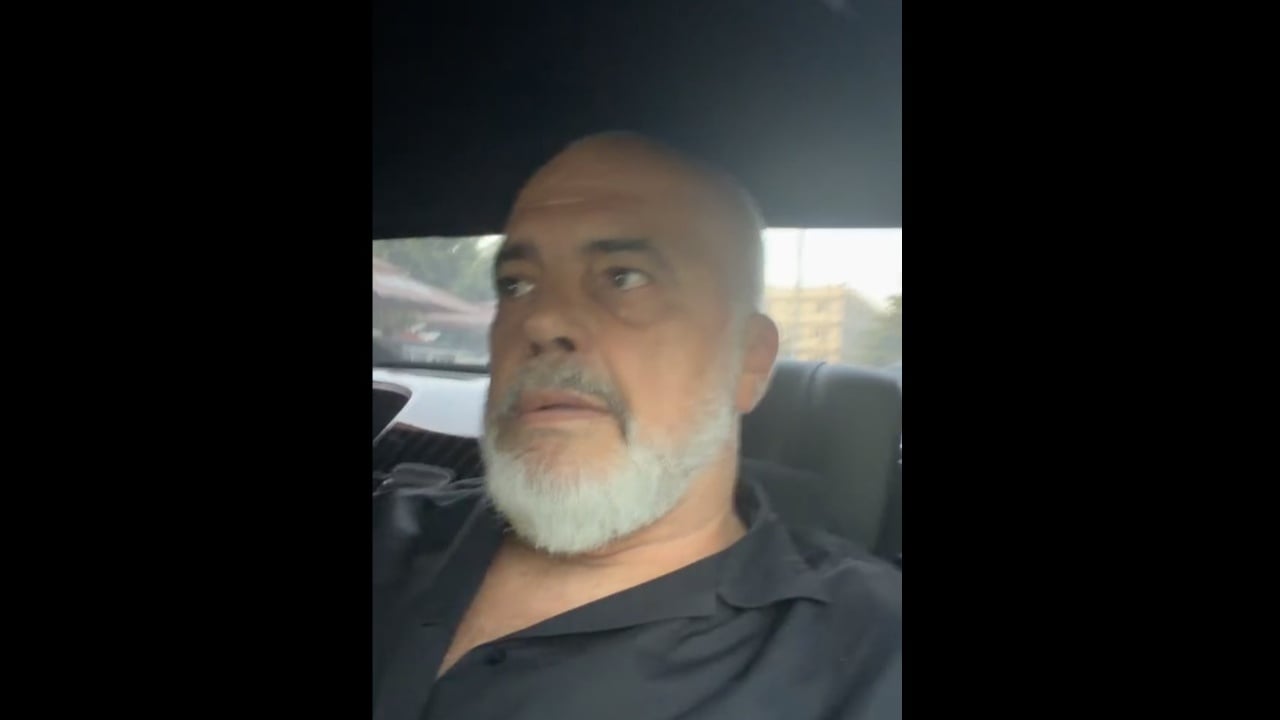
What Rama said after the meeting with ministers
Rama said that the meeting in Pogradec discussed positions related to the Socialist Party’s new approach to territorial reform, as well as a series of programs affecting several sectors.
He also spoke about the progress of the work which, according to him, had been designed from the outset, linking this to a concept the government presents as the basis of the relationship between the state and the citizen.
“Besa” as the government’s political formula
In his statement, the head of government described “Besa” not only as a word with cultural weight, but as an acronym that, according to him, sums up trust, empathy, service and commitment.
According to Rama, the steps to take the relationship between the citizen and the state to another level have also been defined on the basis of this formula. The statement remains at a conceptual level and was not accompanied by clear deadlines or measurable mechanisms for implementation in practice.
How the government presents ‘Pasqyra Albania’
Rama said the government relies on two foundations: the technological infrastructure of E-Albania and the “Pasqyra Albania” platform. According to him, the latter will serve as a “window” in which each person has their own autonomy for direct contact with the authorities.
According to his explanation, this is not only about presenting a citizen’s problem or request as a procedure that is tracked with real-time status updates and responsibility for deadlines, but also about an active role by the government toward the citizen.
Promise of transparency, but few details
Another element highlighted by Rama was the idea that the citizen should not remain, in his words, unprepared in the face of the “algorithm,” which he described as an invisible intermediary that has entered everyday life.
He insisted that “Pasqyra Albania” would not be a propaganda portal, but a mirror where the state shows what it is doing. However, the statement did not clarify how this transparency would be verified, what data would be published, and how accessible the platform would be for citizens beyond the political presentation.
At the center of the prime minister’s message was an effort to present technology as a new bridge between the government and the citizen. But beyond the slogan and the conceptual packaging, it remains to be seen whether “Pasqyra Albania” will genuinely bring more accountability or simply add another layer of institutional communication.
The meeting in Pogradec produced a political framework for what the government aims to present, while concrete details on how the platform will function are still missing.