
A powerful 6.8-magnitude earthquake has worsened the toll of lives lost in southwestern Japan. According to Japanese authorities, the number of victims has risen to 30, while emergency teams continue operations in the hardest-hit areas amid rubble, aftershocks and high temperatures.
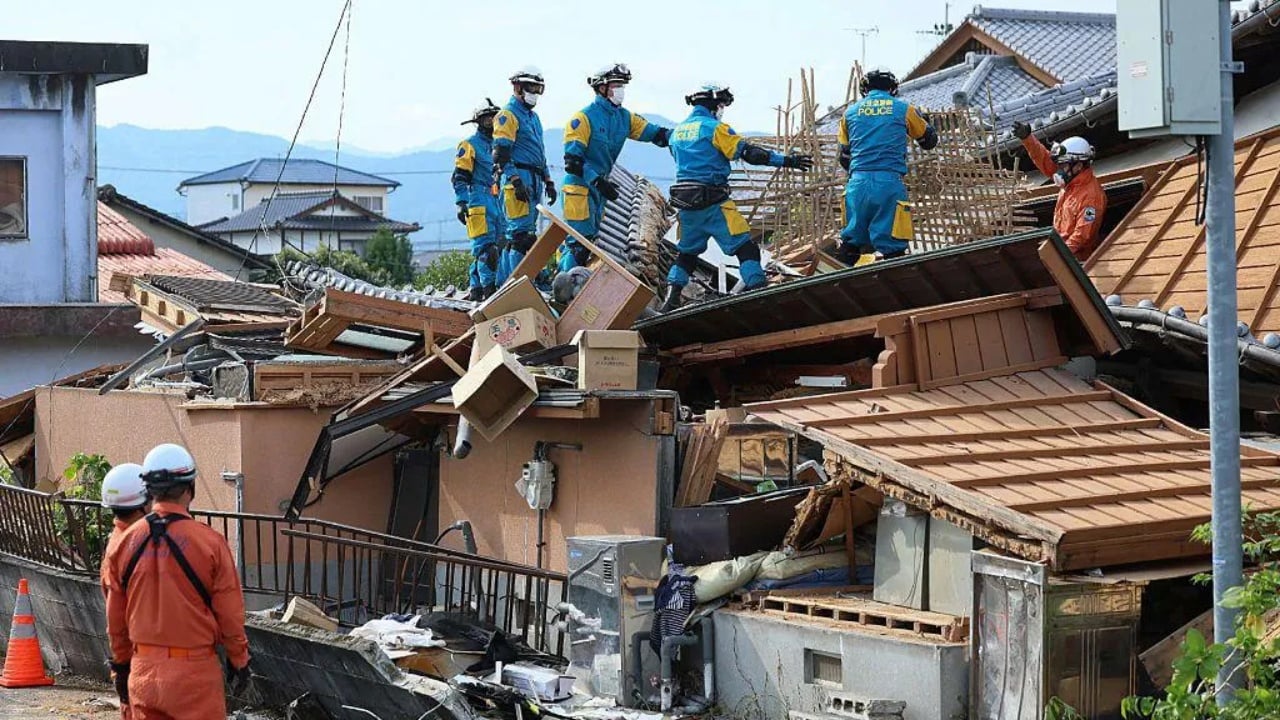
The strike in Kumamoto and the initial damage
The quake struck Kumamoto prefecture on the island of Kyushu on Tuesday and was strongly felt across the region. According to the official account, the earthquake had a depth of only 10 kilometers, which explains its strong impact at the surface.
Reports speak of major damage to homes, buildings and the power grid. Confirmation of the toll and the scale of the damage came from Japanese Prime Minister Sanae Takaichi.
Collapse, explosion and an open investigation
Some of the victims lost their lives after a section of a shopping center collapsed. About an hour later, an explosion believed to have been caused by a gas leak caused further damage to the building.
Authorities have not yet given a final cause for the explosion and the case remains under investigation, while concerns over the safety of structures and infrastructure have increased after the main quake.
Searches focused on the shopping center and factory
Search-and-rescue operations have been focused on the Aeon shopping center in Kashima, where part of the second floor collapsed, as well as at a Nippon Paper company factory in the city of Yatsushiro.
At least five people died at the factory. Several workers were trapped under the rubble, while so far seven of them have been pulled out alive.
9,000 displaced, 30,000 households without power
After the earthquake, about 9,000 people have been sheltered in evacuation centers. Meanwhile, more than 30,000 households remain without electricity, making it even more difficult to cope with the situation on the ground.
Authorities have warned that temperatures in the coming days could reach as high as 39 degrees Celsius, increasing the risk of heatstroke among displaced residents and teams on the ground. Japan’s Defense Ministry has sent 300 air conditioners to the affected areas, half of which will be installed in evacuation centers.
More than 100 aftershocks and continuing fear
More than 100 aftershocks have been recorded since the main tremor, keeping uncertainty high in the affected areas. Fear of another earthquake has forced many residents to spend the night in their vehicles.
Residents of the area have described the event as one of the strongest tremors they have experienced, while the situation remains tense because of the damage, possible people still trapped and the weather conditions.
The death toll has risen as rescue operations continue at several critical points in Kumamoto and Kyushu.
Amid aftershocks, power outages and extreme heat, the emergency in Japan remains far from over.