
After several days of price increases, diesel has posted a noticeable drop in the retail market, falling to 199 lek per liter at some of the main operators. The move brings the price back below the psychological threshold of 200 lek, but at the same time raises fresh questions about how the domestic market transmits increases and decreases.
Down by 15 lek at sales points
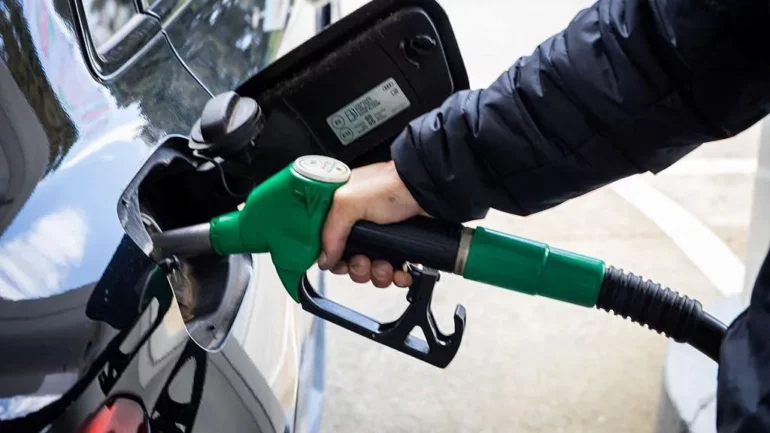
An observation carried out this evening shows that some of the main fuel retail networks have reduced the price of diesel from 214 lek to 199 lek per liter.
This is the first time in several weeks that retail diesel has returned below the 200 lek mark, following a period of rapid increases in the domestic market.
International markets are giving the opposite signal
The drop comes at a time when international markets have also begun to reflect a decline in oil prices, after the sharp rise of recent weeks.
What stands out is the pace at which fluctuations abroad are reflected at Albanian pumps: increases are usually passed on immediately, while decreases come under scrutiny for the way and speed with which they are implemented by operators.
The Transparency Board returns to the debate
The development once again brings attention to the March-June period, when the Transparency Board was activated due to strong fluctuations on international exchanges.
At that stage, maximum fuel prices were set by the Board and, according to the official version, were monitored on the ground for their implementation by operators.
This time without an administrative decision
Unlike the period when prices passed through administrative decision-making, tonight’s drop has been reflected directly by operators in the retail market.
Whether the government will restore the Board’s operation or not remains unclear. For the moment, the price movement is taking place on the ground and not through an institutional announcement.
The fall to 199 lek per liter temporarily eases consumers’ bills, but does not diminish the longstanding doubts about how the fuel market functions in Albania.
For precisely this reason, every price cut is read not only as an economic development, but also as a test of the real transparency of operators and institutions.