
The meeting called by Prime Minister Edi Rama in the area of Kuç village turned into an open clash over the new territorial reform, highlighting the resistance of some local leaders to the plan for merging municipalities. According to the reported information, the tension peaked when the heads of Dimal and Poliçan were removed from the meeting after voicing their objections.
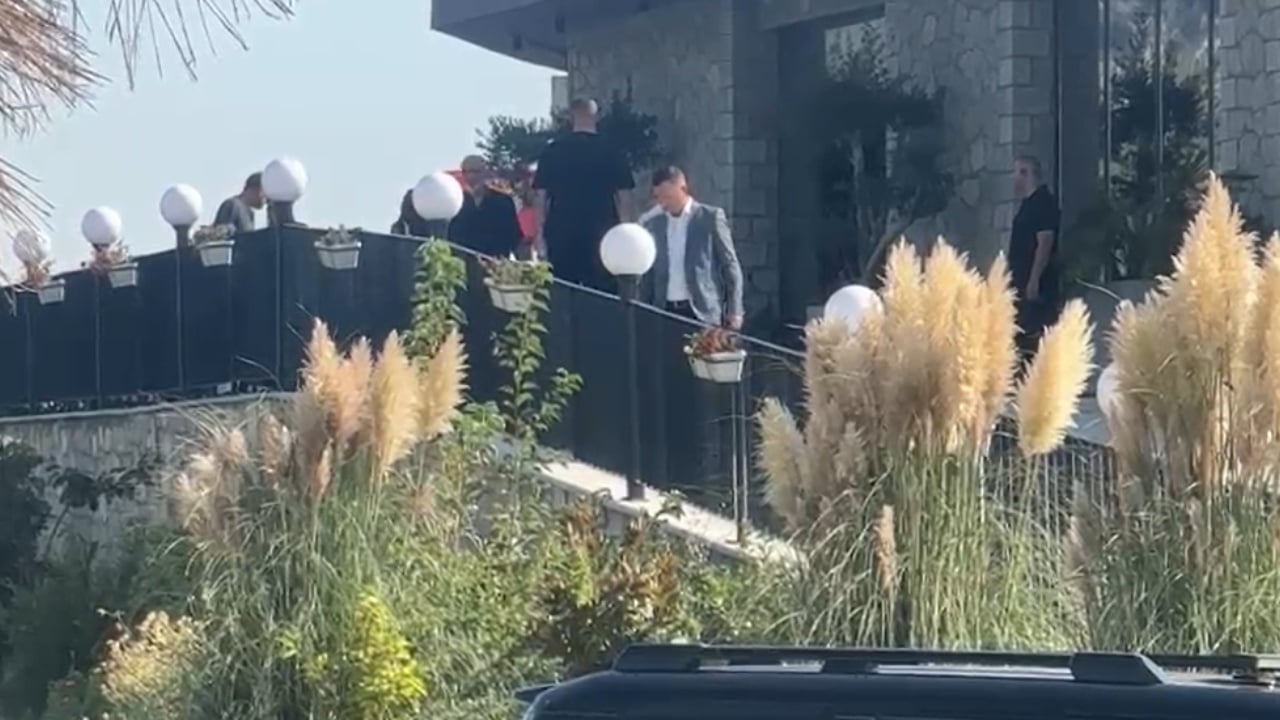
The meeting in Kuç was marked by strong debate
The meeting was also attended by the leaders of the municipalities of Selenicë, Divjakë, Poliçan and Dimal, who opposed the proposed changes within the framework of the territorial reform. The debate focused on the merger of several local units and the consequences these moves could have for local representation.
The reported version indicates that the discussion did not remain at a technical level, but turned into sharp political clashes, pointing to the lack of a clear consensus between the government and local authorities on an issue with a direct impact on the administration of these areas.
Dimal and Poliçan at the center of the tension
The situation became especially tense with the mayors of Dimal Municipality and Poliçan Municipality. During the exchange, Edi Rama asked for their removal from the meeting, while the gathering continued with the participation of the others.
This episode shifts the debate from the substance of the reform to the way political and institutional opposition to it is being managed. When local leaders are excluded from the table in the middle of the debate, the question remains how much real space there is for hearing objections to such a sensitive review of the administrative map.
Objections also from Selenicë and Divjakë
There were also clashes with the mayors of Selenicë Municipality and Divjakë Municipality, as the discussion focused on the effects that the dissolution of these local units could bring. This shows that the reservations did not come from just one or two municipalities, but from several areas directly affected by the new scheme.
At its core, the opposition is linked to fears of losing administrative and political weight at the local level if decision-making is concentrated even further away from the communities affected by the changes.
The reform opens another front between central and local government
The meeting continued even after the departure of the two mayors, but the clashes recorded during the session show that the new territorial reform is being accompanied by serious opposition. According to what has been reported, the future of several municipalities is under discussion, including Selenicë, Dimal and Poliçan.
This is precisely where the broader political debate begins: whether this reform is being built as a process of real consultation with local authorities, or as a top-down decision that then asks local parties simply to accept it.
The clash in Kuç makes it clear that the review of the territorial map is not proceeding without political cost. The more the idea of dissolving or merging municipalities advances, the more visible the conflict becomes between the government and local leaders who insist they should not be treated as spectators in a decision that directly affects their areas.