
The debate over the new territorial map is entering a hotter phase. In Kuç, Himara, Prime Minister Edi Rama held a marathon meeting with 20 mayors, at a time when the proposal to merge several local government units is facing significant resistance on the ground.
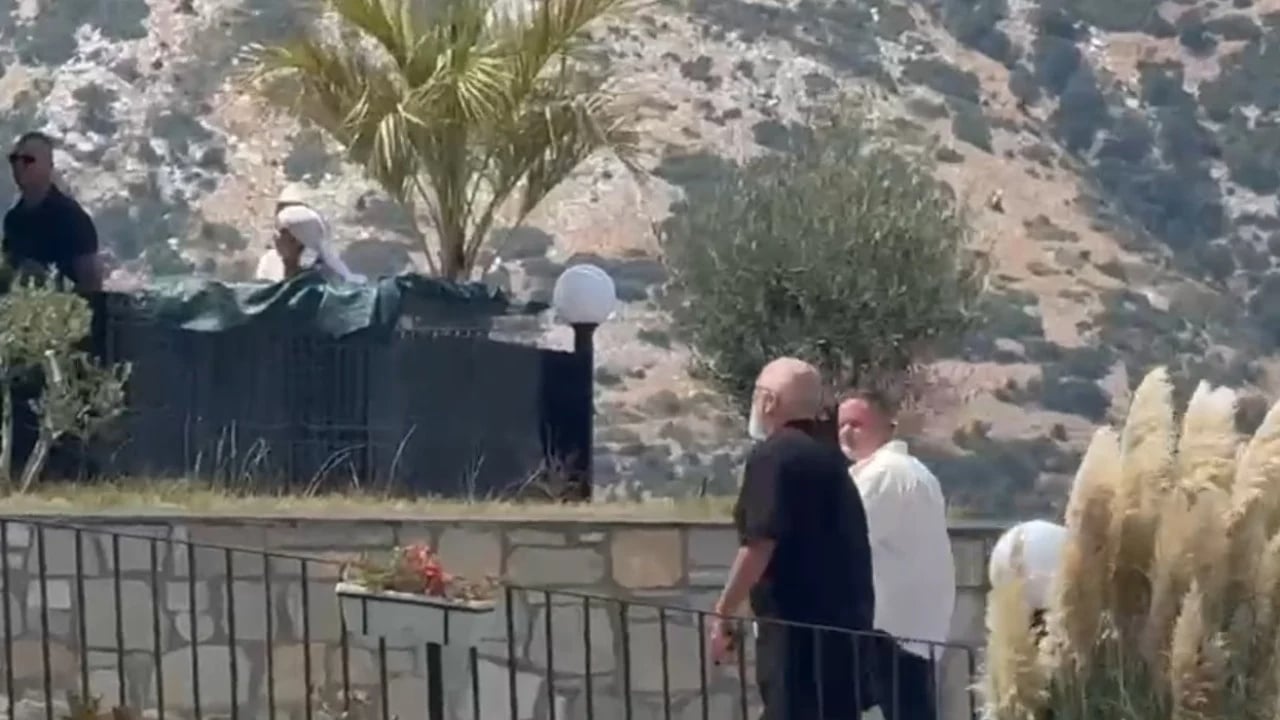
Lengthy meeting in Kuç on administrative reform
The consultative meeting launched by the prime minister on administrative reform lasted around four hours and was held in the village of Kuç, in the municipality of Himara, according to government sources.
At the table were 20 mayors, while Rama was accompanied by Arbjan Mazniku, co-chair of the Territorial Reform. Also present were Minister Ervin Demo, as well as local officials from municipalities expected to be affected by the mergers.
Draft in consultation for three months, but opposition is growing
The official version speaks of a consultation process that has entered its third month. But alongside this phase, dissatisfaction and public reactions have increased in some of the municipalities that could lose their current status.
Since Parliament’s draft for the new territorial map was distributed to all municipalities, citizen protests and objections from municipal councils have taken place in the units expected to be merged. This shows that the reform is not being read the same way by the center and by the communities directly affected.
The Poliçan case and a split even within the Socialists
One of the strongest reactions was recorded in Poliçan, where supporters of the Socialist Party burned their party membership cards. In the same context, the local PS leader resigned.
Such moves make it difficult to present the process as a consultation without political costs, especially when objections also come from areas identified with the governing majority.
How Rama commented on the wave of discontent
A few days ago, Rama downplayed the reactions, describing them as normal and, for the most part, welcome. He singled out only the burning of PS membership cards as unacceptable, while also mocking critical voices that, according to him, are reading the situation as an alarm signal for the government.
However, beyond the political language, the fact that the draft has sparked protests, clashes in municipal councils and reactions within the Socialists themselves shows that territorial reform remains an intervention with direct consequences for local representation and the political weight of areas at risk of being merged.
The meeting in Kuç comes precisely in this climate of tension, where formal consultation is proceeding in parallel with opposition on the ground.
For the moment, the government is maintaining the line that the process is normal, while reactions from the affected municipalities show that the debate over the new administrative map is far from over.