
The picture emerging from official data is bleak: fires return every summer, damage is estimated in the tens of millions of euros, but the criminal justice system is producing very little concrete accountability. Of 211 cases investigated over five years for arson, only 18 people have ultimately been found guilty.
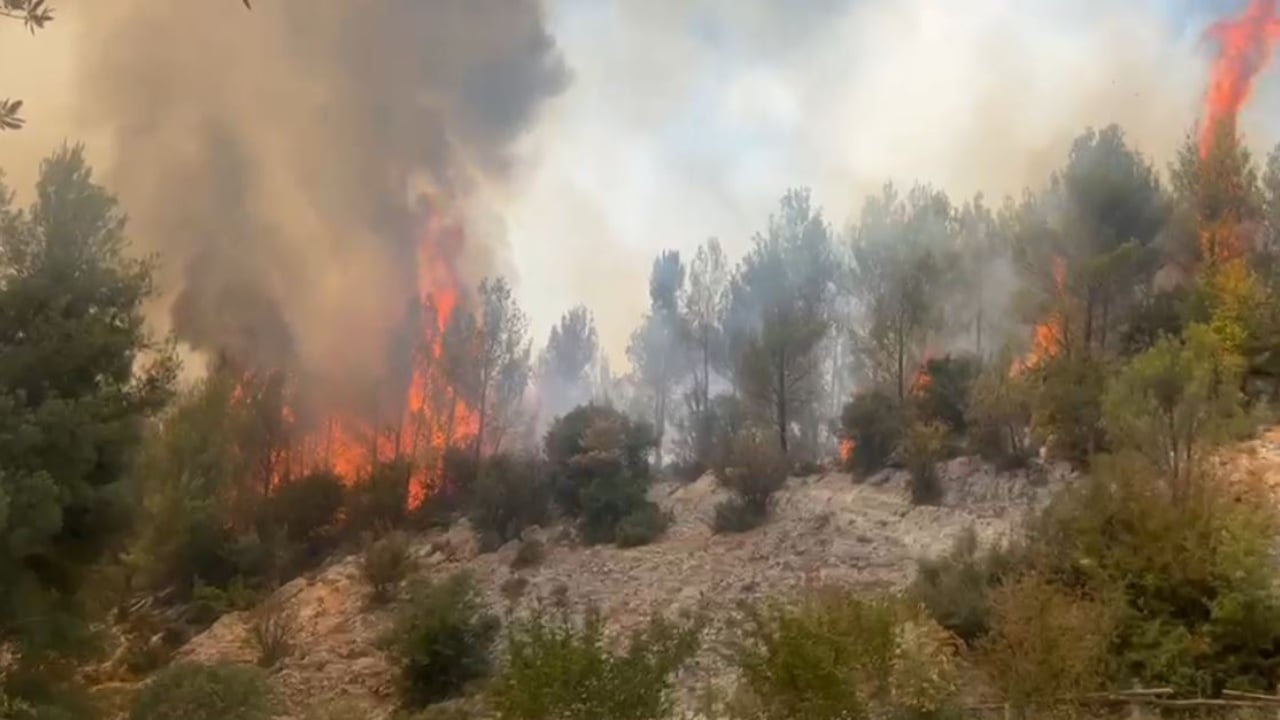
50 major fire outbreaks this summer, damage remains high
According to the National Civil Protection Agency, from June 1 until now, 50 major fire outbreaks have been recorded, engulfing hundreds of hectares in flames. The official version speaks of management at the national level, but the toll of the damage remains troubling.
For last year, the damage caused by fires to the forest and pasture fund was estimated at 77 million euros. This makes even more pressing the question of how effective institutions have been not only in extinguishing the flames, but especially in prevention and punishment.
The Criminal Code provides for tough penalties, but results are minimal
On paper, the law provides harsh measures for the intentional burning of forests, up to 20 years in prison when there are consequences for human life or when protected areas are damaged. However, the data show a wide gap between what the Criminal Code provides and what the justice system actually delivers.
Beyond the arrests publicized every summer, there is a lack of clear data on the number of fines imposed by municipalities for violations of fire protection rules. This gray area leaves it unclear how well the chain of administrative responsibility works before cases reach the prosecution.
211 cases in five years, only 18 people found guilty
According to data from the General Prosecution Office, made public by lawyer Lorenc Danaj, 211 cases have been investigated over five years. Of these, only 18 people have been found guilty.
The overwhelming majority of case files, according to these data, were dismissed or suspended for lack of evidence and lack of facts. This record fuels serious doubts about the ability of institutions to investigate, document and carry arson cases through to completion.
Priority at the Court of Appeal, but questions remain
With the opening of Chapter 27 on the environment, the High Judicial Council has instructed the Court of Appeal to review environmental cases as a priority, including arson files.
But simply placing a priority label on court proceedings does not automatically solve the problem when most cases appear to stall earlier for lack of evidence. In these circumstances, the statistics so far raise real questions about the functioning of environmental justice and the effectiveness of the institutional response to a problem that repeats every summer.
Fires continue to burn forests, pastures and protected areas, while the number of proven criminal liabilities remains negligible compared with the scale of the damage.
When the tally stands at 18 guilty verdicts in 211 cases, the problem does not appear to lie only with the flames, but also with how the state investigates perpetrators and brings them to justice.