
The new territorial reform is opening more questions than answers at the local level. In Maliq, even Mayor Gëzim Topçiu admits there is still no clarity about what could change if the merger with Korça is approved, from institutional status to competencies, finances and investments.
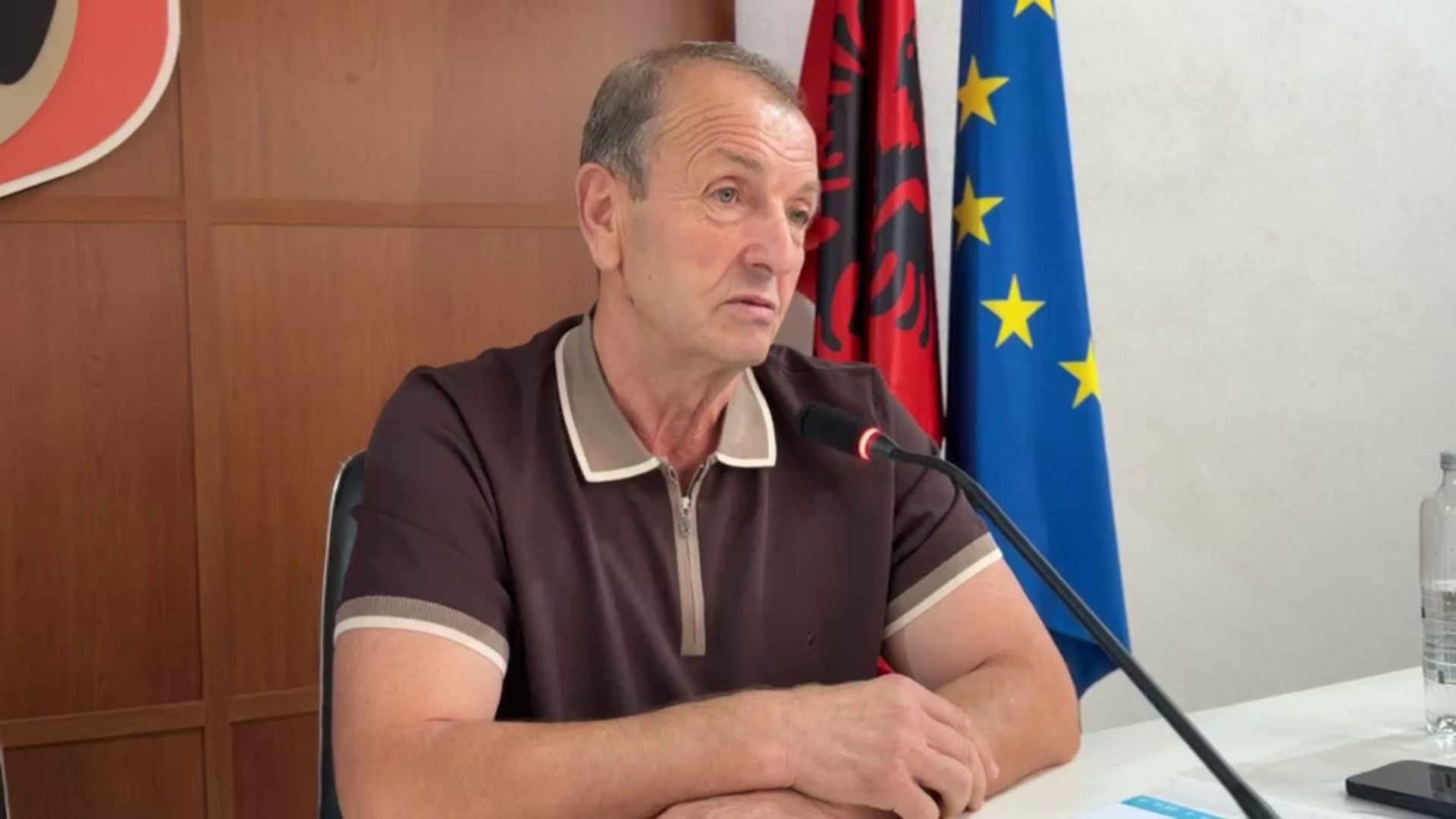
Uncertainty from the local leader himself
Topçiu spoke for the first time about the project that envisages merging the Municipality of Maliq with the Municipality of Korça, and the first thing that stood out was the lack of clarity. According to him, the concrete effects of the reform and the way cities, municipalities and their administration will be affected remain unclear.
He said that if even a mayor has this concern, the uncertainty for citizens is even greater. This places the emphasis on a familiar problem in such reforms: projects are presented in principle, while the real consequences for communities remain blurred.
Maliq’s status and what the draft law provides
According to Topçiu’s explanation, the draft law does not treat the case as a “dissolution,” but as a “merger” of the Municipality of Maliq with the Municipality of Korça. Under the proposed scheme, the internal organization would move from the current model to a structure of municipality, city and administrative units.
He clarified that the city of Maliq would retain an internal organization with administrative units, while those units, according to the version presented, would not depend on Korça, but would still depend on Maliq. Under this formula, there would no longer be a mayor, but a functional deputy mayor.
Services, not seats
Topçiu tried to steer the debate away from the personal interests of local leaders, saying the issue should not be seen as a matter of position or mandate. According to him, the real test of any change is whether services are brought closer to citizens and whether their problems are solved more quickly.
He stressed that a merger with Korça would not be a problem if services are not moved away and if Maliq benefits from more development and investment. In essence, he tied his position not to the formal name of the reform, but to the practical effect it will have on the ground.
Material for Parliament and doubts about the reform
The mayor said he is preparing a document to send to the Parliament of Albania with his remarks on the administrative reform. According to him, the issue is not resolved with a single legal change, but also requires amendments to the law on local government, local finances and the competencies of cities.
He recalled that the matter concerns 15 cities and that among them Maliq is considered a municipality of weight and with a considerable population. Topçiu mentioned that, according to the latest census, Maliq has around 31,000 residents, while the civil registry lists more than 65,000 residents. According to him, this makes the way the reform will be implemented even more sensitive.
Topçiu’s statements bring to the surface the gap between the wording of the draft law and the consequences awaiting local communities. So far, the debate appears more advanced on paper than in the real clarification of what is lost, what is preserved and who bears responsibility for citizens’ services.
It is precisely on these uncertainties that the political and institutional clash over the territorial reform is expected to focus, especially in municipalities where the change directly affects structure, finances and local representation.