
Belgium is dealing with the aftermath of a fire being described as the largest recorded in a century. According to authorities, the flames have been contained and are not expected to spread further, but the danger is not considered over: beneath the peat surface, hotspots remain that could reappear even after weeks or months.
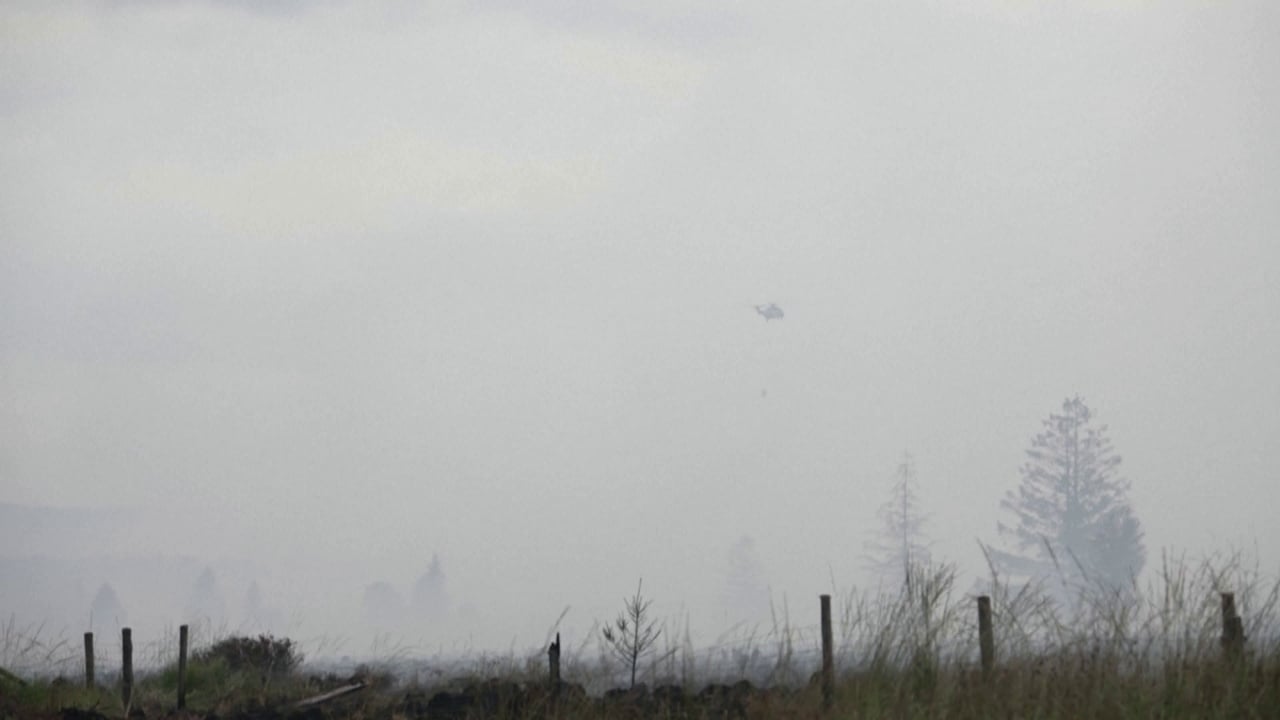
The fire front has been closed, but not the crisis
Hundreds of firefighters worked overnight in the marshland terrain of the High Fens nature reserve, near the border with Germany, to close the last front of the fire.
The official version describes the situation as under control, but new hotspots continue to appear across a wide area on the ground, showing that the danger remains active even though the large-scale spread of the flames has been stopped.
3,000 hectares burned, cause still unclear
The fire broke out on Friday for reasons that have still not been made public. So far, according to data reported by the authorities, about 3,000 hectares of peat, pine forest and tourist trails have burned.
The scale of the damage has turned the incident into a major environmental and operational alarm, as authorities try to extinguish the hotspots from both the ground and the air whenever weather conditions allow.
Weather hampered aerial intervention
Firefighting aircraft sent by Norway, Germany, Sweden and the Netherlands were unable to take off because of low clouds.
This significantly limited the aerial response in difficult terrain, where ground intervention remains complicated because of the marshland and the nature of the fire burning beneath the surface.
Evacuations in Belgium and Germany
The fire forced the evacuation of residents in the German town of Monschau and in two Belgian villages.
Residents of Sourbrodt have been allowed to return home, but the development of the situation remains tied to the behavior of hidden hotspots, which could reopen suddenly.
Main fear: “zombie fires” beneath the peat
The biggest concern is linked to so-called “zombie fires,” which continue to burn deep underground because of the peat layers and can reappear later in other locations.
Drones with thermal cameras are being used to detect these hotspots. According to the authorities’ warning, operations to cool the terrain and fully extinguish the fire could last several months.
Although authorities are presenting the situation as under control, the very nature of this fire shows that the danger does not end with the containment of surface flames.
The real challenge remains underground, where peat can keep the fire alive for a long time and bring the crisis back without warning.