The ban on mobile phones and other electronic devices in the courtrooms of the Special Court Against Corruption and Organized Crime (GJKKO) is facing strong opposition, this time not only from journalists’ organizations but also from lawyers. The Chamber of Advocacy has asked for a review of the new regulation, raising the question of whether an administrative measure can affect the normal exercise of defense in court.
The new regulation opens another front of objections
Under GJKKO’s new decision, the use of mobile phones and other electronic devices is banned inside courtrooms. The restriction does not affect only the public or the media, but also extends to the legal representatives of the parties.
Such provisions have prompted a reaction from the Chamber of Advocacy, which sees the measure as problematic for the practical conduct of court proceedings, especially in long hearings and under a heavy workload.
The Chamber of Advocacy seeks a review
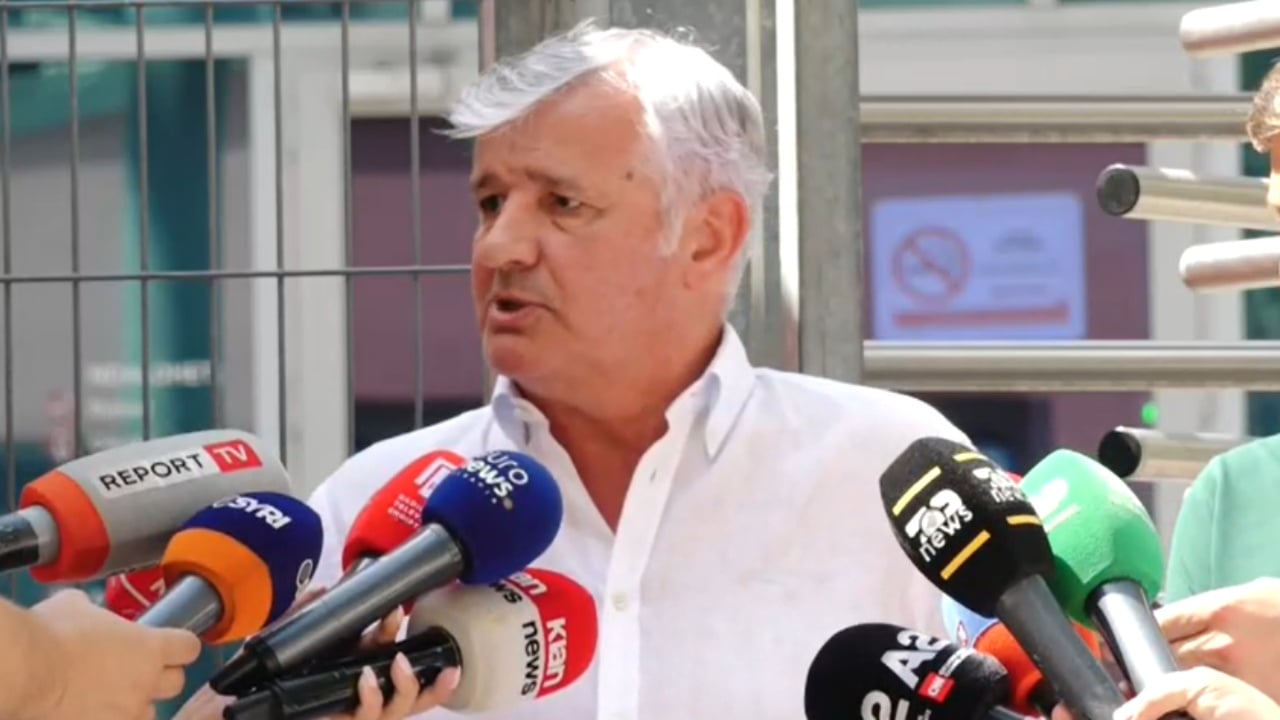
Lawyers Maks Haxhia and Klodjan Skënderaj sent a letter to GJKKO on behalf of the Chamber of Advocacy, requesting a review of the decision.
Skënderaj described the phone ban for lawyers as an extreme measure, arguing that the phone is a working tool and that during hearings lasting for hours, lawyers also need essential communications outside the courtroom.
Lawyers’ claim: the regulation affects a constitutional right
Maks Haxhia challenged the logic of the restriction, stressing that the ban, according to the version presented by him, also includes prosecutors. He argued that during hearings, communication with the office or legal practice is part of the job and cannot in itself be treated as a violation.
According to him, no regulation can restrict a constitutional right. At the same time, he added that lawyers are against any breach of calm and order in the courtroom, but consider a general ban excessive.
The debate goes beyond courtroom ethics
The clash is not related only to discipline during hearings, but to the line between managing order in court and restricting the working tools of the parties taking part in the proceedings.
At this point, the lawyers’ objection signals a broader debate over the proportionality of measures adopted by justice institutions and the effect they may have on the exercise of the profession and procedural rights.
For the moment, the Chamber of Advocacy’s request remains pending a response from GJKKO.
The issue is becoming a test of how the special court balances order in the courtroom with the rights of the actors who are part of the judicial process.