
Activity at the Durrës Court has been significantly reduced, and currently only urgent cases are being handled, while the rest of the proceedings remain suspended. The situation once again highlights the fragility of the system, where a single administrative or institutional deadlock is enough to leave citizens without full court services.
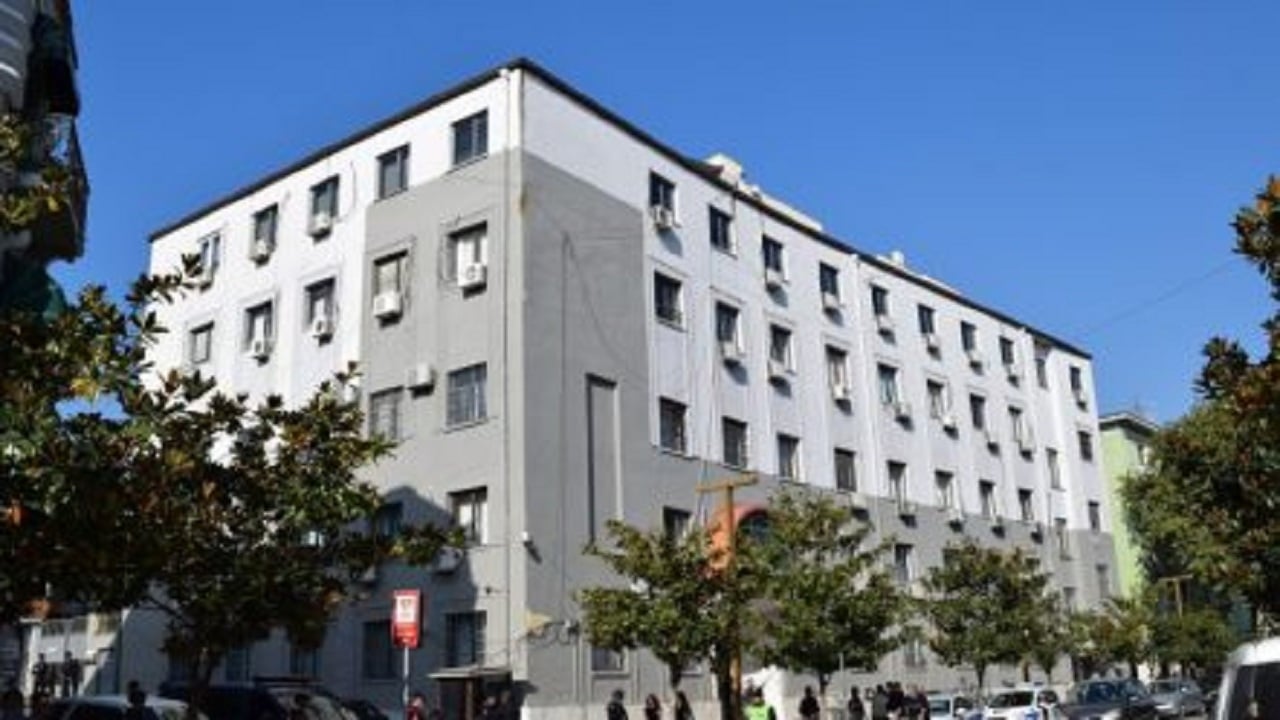
Only security measures and urgent cases
At the court, hearings are being held for the imposition of security measures, the issuance of immediate protection orders, and other matters considered urgent.
For all other cases, proceedings are not moving at a normal pace, creating another blockage in a key part of the justice system.
Judges at a meeting at the High Judicial Council
According to publicly released information, ordinary hearings are also not being held because judges are taking part in the General Meeting of Judges at the High Judicial Council.
This means that for citizens and parties involved in non-urgent proceedings, judicial service remains practically slowed down, pending the return of full operations.
Civil services also limited
Not only hearings, but administrative services also appear to be limited. In the court’s civil section, the administration is providing services with restrictions.
This situation directly affects citizens who need civil procedures, documents, or other actions at the court.
Another alarm signal for the functioning of the system
The partial blockage of work at the Durrës Court raises further questions about how basic issues in court operations are managed, including work organization and the guarantee of minimum service to the public.
Even when the official version presents the situation as a normal continuation only for urgent cases, the fact remains that a significant number of citizens are facing delays and restrictions in access to justice.
For the moment, only the handling of urgent cases is being kept going at the Durrës Court, while other cases and part of the civil services remain outside the normal working rhythm.
In practice, this means more waiting for citizens and another sign of how easily the day-to-day functioning of justice can be undermined.