
Prime Minister Edi Rama is pushing ahead with another change to the territorial map, this time with the goal of taking the country from 61 to 46 municipalities by 2031. From Vlora, he presented the plan as inevitable, while outside the hall there was a protest and people were escorted to the police station.
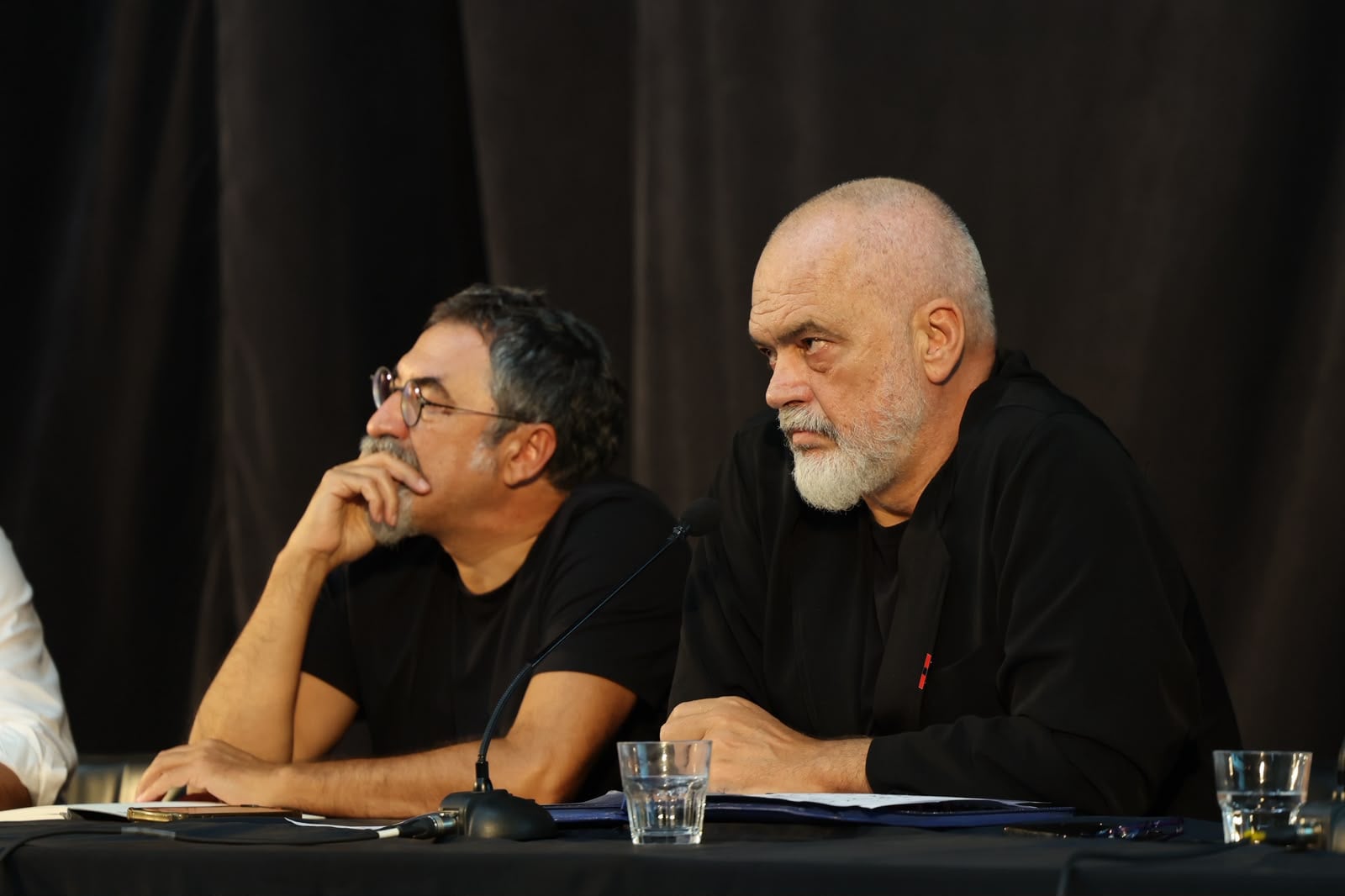
The new plan for 46 municipalities
According to Rama’s statement, the Socialist Party’s new territorial map provides for the creation of 46 municipalities, down from the current 61.
He said he was convinced the merger would be carried out, arguing that this is supported, according to him, by theory, history and the numbers, with the aim of completing the process in 2031.
How the government presents the scheme’s functioning
At meetings with Socialist Party structures and citizens in Vlora, Rama tried to ease concerns about the effects of the reform, insisting that this is not about eliminating services.
According to his version, the services currently carried out by small municipalities will continue to be provided in the same way, while the real problem, according to the prime minister, is linked to a lack of human resources and the inability of some small units to fulfill their functions.
Meetings also in Gjirokaster
During Saturday, the head of government also held meetings in Gjirokaster as part of the Territorial Reform.
There he explained the new Socialist plan to citizens, taking Libohova as an example.
Protest outside the meeting in Vlora
The meeting in Vlora did not pass without opposition. Outside the Palace of Culture, a group of citizens protested.
According to publicly released information, the group was led by Baki Goxhaj, known as a leader of pro-Palestine protests. He was escorted to the police station together with three other protesters.
The debate over the new territorial map is expected to focus on how the government justifies reducing the number of municipalities and on the real impact this will have on local services.
For now, what has been made clear is that the majority is treating this project as a political objective to be completed within a set timeframe, while opposition on the ground has begun to appear publicly.