
The Agriculture and Livestock Census will not be conducted in 2026, delaying yet another process that institutions had described as important for creating a full picture of the sector. According to the official version, the registration of farms and livestock activity will be pushed to 2027, as funds are lacking and preparation time has been consumed by procedural delays.
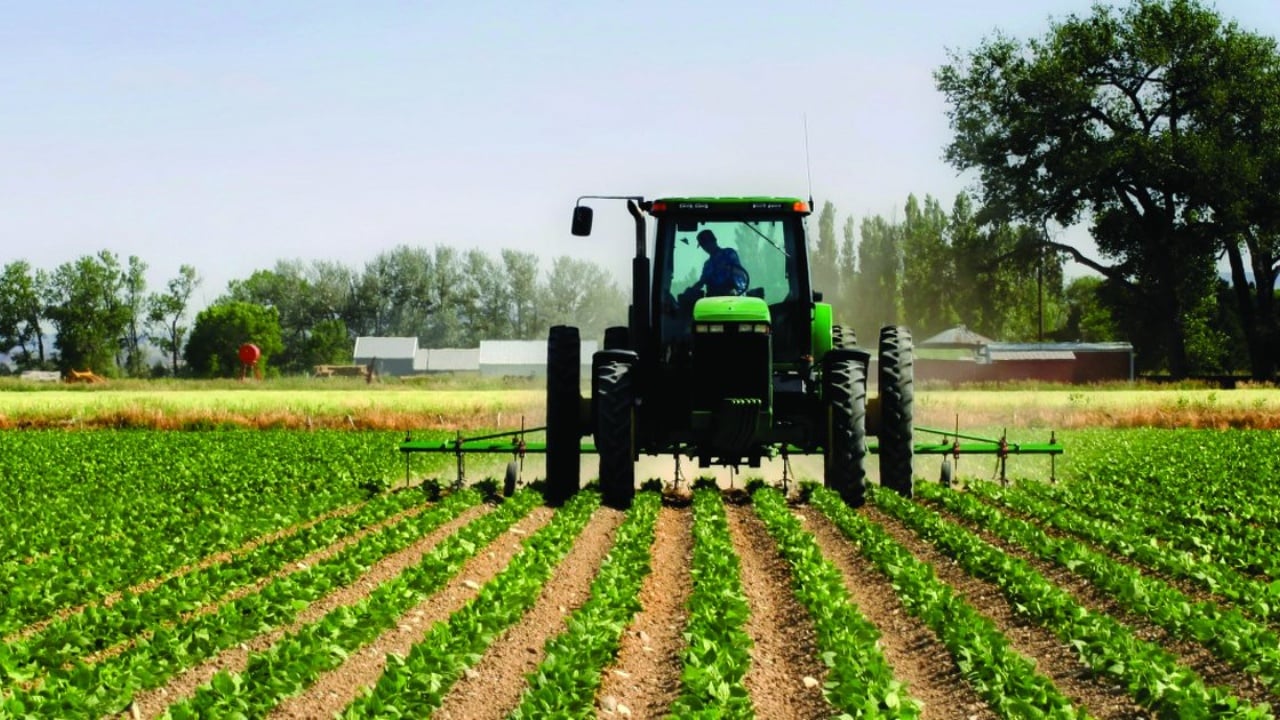
Registration will not begin in October, as planned
The process had been scheduled to begin in October 2026, but that will not happen. Authorities acknowledge that the census of the agricultural and livestock sector cannot be carried out within this year.
This postponement once again raises questions about the capacity of institutions to move forward on time with processes that require organization, fieldwork and clear financing.
Lack of budget emerges as the main reason
According to the official explanation, one of the main reasons for the postponement is the lack of budget. Without the necessary funds, the process of registering the agricultural and livestock sector has not been set in motion during 2026.
For a nationwide operation aimed at collecting detailed data on agriculture and livestock, the lack of financing raises concerns about how public priorities are planned in a sector that is often described as strategic.
Delays with the law narrowed the preparation deadlines
Another factor that affected the postponement is linked to the draft law on the Agriculture Census. This draft was sent late to Parliament and was approved only in July of this year.
With the law passed in the middle of the year, very little time remained for technical and organizational preparations. In practice, institutions were left without the necessary room to set up such a process on a national scale in time.
What the agriculture census aims to achieve
According to the institutional plan, the census aims to provide a complete overview of the state of agriculture and livestock in the country. The data from this process are considered a basis for planning and public policies in the sector.
However, the one-year postponement shows that even when it comes to registration and basic statistics, the administration fails to meet the deadlines it sets itself. For farmers and for the sector, this means even more waiting for an accurate inventory of the reality on the ground.
The Agriculture and Livestock Census is now expected to be conducted in 2027, while the October 2026 deadline has officially fallen away.
The debate remains open not only over the need for this process, but also over the reasons why such an operation remains hostage to the budget and administrative delays.