
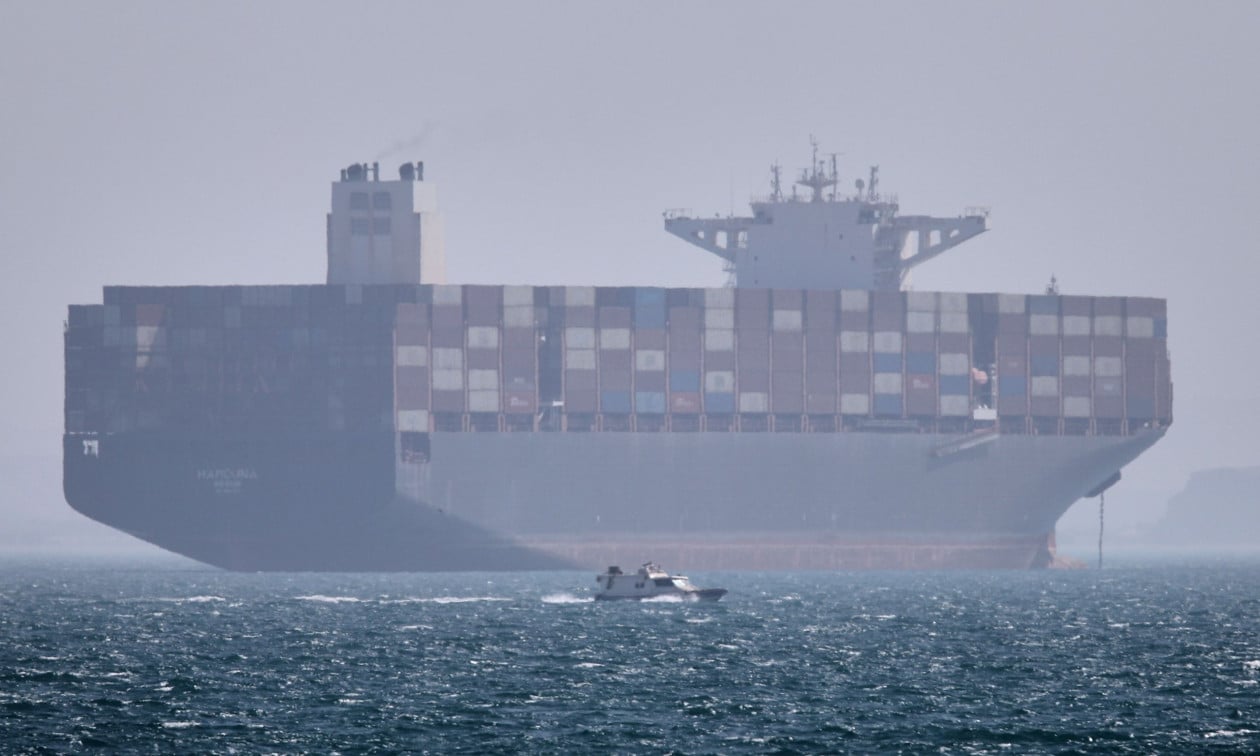
Risk in one of the world’s most sensitive energy corridors is translating into big money for maritime crews. According to a report by the Financial Times, captains of tanker ships passing through the Strait of Hormuz are being offered up to $100,000 a month, along with a $50,000 bonus for each crossing.
Unusual pay for a high-risk crossing
Such offers are coming at a time when shipowners are trying to keep fleets moving through a route considered vital to the global oil market, but at the same time increasingly exposed to risk.
Under normal conditions, a tanker captain earns about $15,000 a month. Compared with that level, the figures now circulating show how sharply the price of risk has risen in this area.
The report links the increase to tensions and attacks in the region
According to the report, the extraordinary pay packages are being offered as Iran has stepped up attacks on ships and Gulf producing countries seek to keep the flow of crude oil through the strait uninterrupted.
This development is not only a security alarm. It also reveals the real cost the market is willing to pay to avoid blocking a key artery of energy supply.
Not only captains, crews are also receiving multiples of their pay
The increase does not affect only ship commanders. Ordinary sailors, who are usually paid about $1,500 a month, according to the same report can earn four to six times more while passing through the Strait of Hormuz.
In other high-risk areas, such as the southern Red Sea and the Gulf of Oman, crew members usually receive double pay. But current conditions in Hormuz are pushing that compensation logic even further.
The cost of transporting oil has risen dramatically
The pay increase is only part of the bill. Freight rates for cargoes passing through the Strait of Hormuz have reached about $1.3 million a day this week, up from $20,000 to $50,000 a day last year.
Many of these voyages are carried out as repeated operations with dedicated tankers. That gives crews the opportunity to earn unusual incomes, but leaves them continually exposed to missile and drone threats.
In practice, the market is setting a new price for passage through Hormuz: the higher the risk, the higher the pay.
But beyond the staggering figures, the picture remains the same: the movement of oil is being sustained at ever heavier human and financial cost.