
A letter sent to Washington by two Republican congressmen has once again put Albania in the spotlight over corruption, the functioning of the rule of law, and the way politics intervenes in institutions. At the center of their concerns are possible visa restrictions on Albanian officials and the case of Belinda Balluku, at a time when the Albanian government continues to defend its version of political clashes and sensitive investigations.
Letter addressed to Marco Rubio
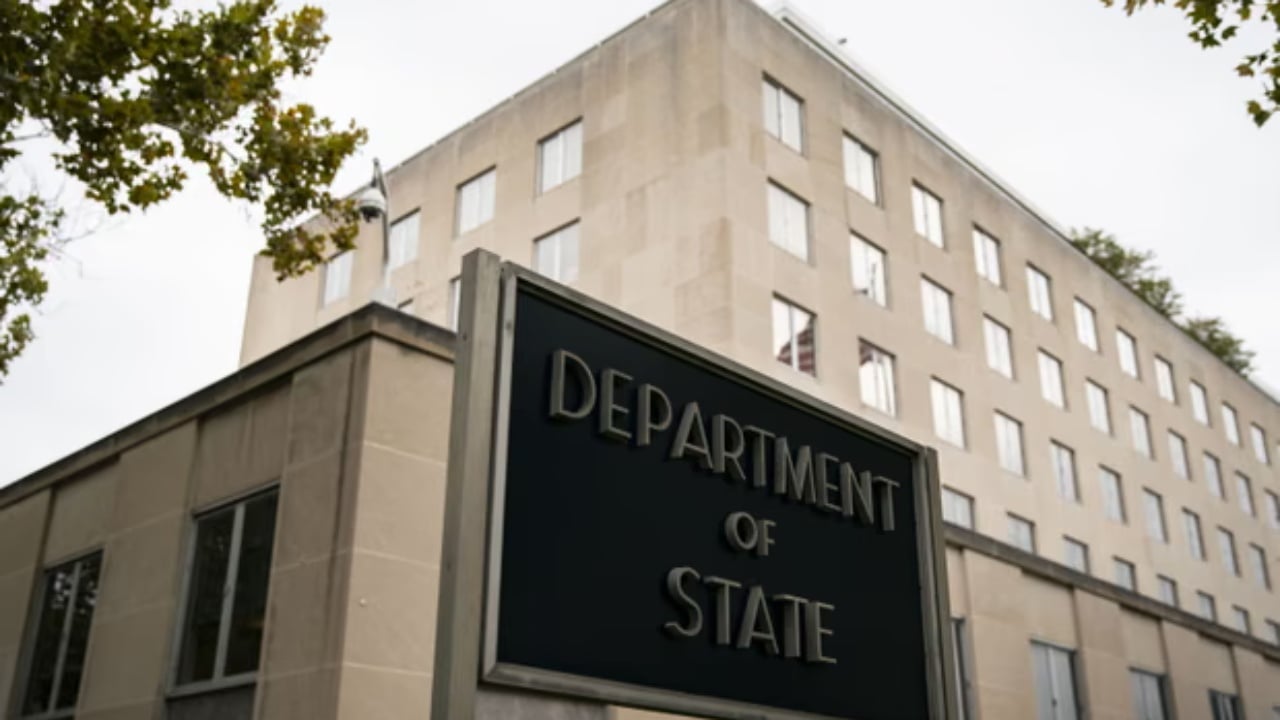
Joe Wilson, a Republican from South Carolina, and Keith Self, a Republican from Texas and chairman of the House Subcommittee on Europe, have sent a letter to US Secretary of State Marco Rubio expressing concern about the state of democracy and the rule of law in Albania.
The two lawmakers ask the US administration to consider imposing visa restrictions on Albanian officials who may be involved in significant corruption. The letter cites Section 7031(c) of US legislation, which allows entry restrictions to the United States for foreign nationals when there is credible information of involvement in significant corruption. Under this mechanism, the measures may also extend to immediate family members.
Warning over justice reform
The document stresses that the United States has invested significantly in justice reform in Albania, but according to the congressmen, the progress achieved remains fragile and could be reversed.
They also seek information on US support for justice reform and on the cooperation of the US Embassy in Tirana with Albanian authorities to protect protesters and journalists. A response from the US administration has been requested by November 5.
The Balluku case returns to attention
A central part of the letter is linked to developments surrounding former Deputy Prime Minister Belinda Balluku. According to reporting cited by US media, the congressmen are seeking information on the progress of the case following investigations into suspicions of interference in public procurement procedures for road construction.
Albanian prosecutors had asked parliament to lift Balluku’s immunity to enable her arrest, but the request did not receive the necessary approval. Prime Minister Edi Rama had opposed it, calling it unconstitutional. This episode is being read by critics as proof that the institutional chain remains exposed to political protection, while criminal responsibility remains to be assessed only through legal procedures.
Clashes on the ground and doubts over the authorities’ response
The letter also mentions the protests in Tirana, where demonstrators have called for the resignation of Prime Minister Edi Rama. The rallies have been accompanied by clashes with police and incidents near state institutions and the headquarters of the Socialist Party.
According to the official version, Rama has refused the calls to resign and has proposed dialogue with protesters, while claiming that foreign interests aim to block Albania’s path toward the European Union. On the other hand, the congressmen raise concerns over whether the authorities are responding to citizens demanding accountability in a way that undermines democratic standards.
Albania under the microscope of the corruption debate
Joe Wilson told Fox News that there is concern in Congress about the situation in Albania, including corruption and the way authorities respond to public pressure. In his statements, he also raised concerns about alleged links between officials and narcotics trafficking.
Former ambassador Agim Nesho has also entered the debate, comparing the situation in Albania with anti-corruption protests in Serbia. Albania has held European Union candidate country status since 2014, but allegations of corruption, political clashes and suspicions of interference in institutions continue to remain a real burden on the credibility of reforms.
The letter from the two congressmen does not in itself constitute a US decision on sanctions, but it signals that Albania’s internal debates are increasingly being read abroad as a test of judicial independence and the limits of political power.
For a government that often presents justice reform as a success story, this development brings a less comfortable message: partners may demand not the usual slogans, but concrete proof that institutions act without political protection.