
A grain sector expert has raised serious concerns about the quality of bread sold on the Albanian market, calling into question not only the raw material being used, but also the filters of the institutions that are supposed to guarantee food safety.
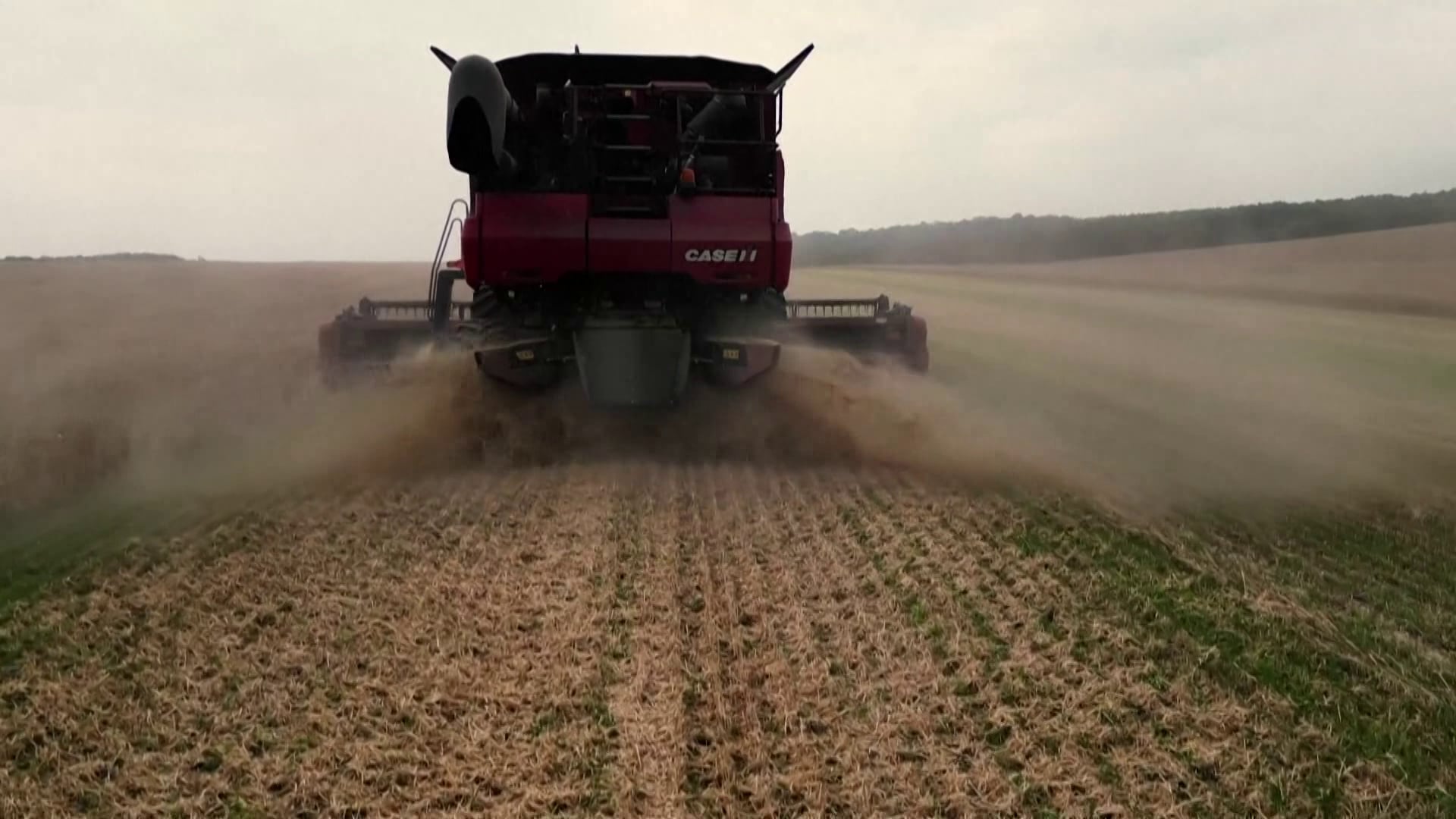
Questions over the flour used for bread
Abdyl Sinani, who has 40 years of experience in this sector, says that part of the cheaper flour intended for pastries and biscuits is also being used in bread production.
According to him, the main problem is not necessarily linked to the origin of the wheat, but to the quality selected by factories. He claims that wheat with a lower percentage of gluten and proteins is purchased because of its lower cost, and that this flour then enters the bread production chain.
Sinani describes this practice as fraud against consumers, arguing that additives are then also used to compensate for the poor quality and to give the bread a more inflated appearance.
Brown bread and suspicions over the use of colorants
Another concern he raises is related to brown bread, a product that is often promoted on the market as a healthier alternative.
According to the expert, in some cases this is not bread produced with natural bran flour, but white flour treated with colorants to create a darker appearance. If this claim is true, the problem is not simply the product label, but the direct deception of the consumer about what they are buying and consuming.
Imports from Serbia and the risk from improper storage
Serbia ranks first in the quantity of grain imported into Albania, while more than 60% of wheat for human consumption is reported to originate from that country.
Sinani says the alarm should not be read as a matter of geography, but as a matter of standards and control. According to him, when wheat and flour are stored in improper conditions, mycotoxins can develop, which he describes as dangerous to health.
His claim raises direct questions about laboratory analyses and the way shipments entering the country are verified, especially when it comes to basic products of daily consumption.
Problems in processing and the silence of institutions
The expert also mentions problems that can arise from improper flour processing, speaking about cases of what he calls the “potato disease” appearing in Lushnjë and Berat.
According to him, in such cases the bread should be discarded, while he raises suspicions that other interventions may be used to correct the product.
At the core of these claims remains a larger question: how real and how strict is state control over wheat, flour and bakery products? So far, the concern raised puts the focus on a link in the chain that usually remains less visible to the public, but directly affects citizens’ daily tables.
Sinani is calling for wheat and flour entering Albania to be subjected to full controls and analyses.
When the alarm concerns a basic product such as bread, the response cannot remain at the level of statements: the burden of proof falls on the institutions responsible for food safety.