
Six years after the death of Saimir Sula in Barcelona, his family remains faced with a case file containing more questions than answers. The case has returned to the spotlight following an investigation in the Spanish media, while the strongest suspicions are linked to the fact that the young man’s body arrived in Albania without a heart.
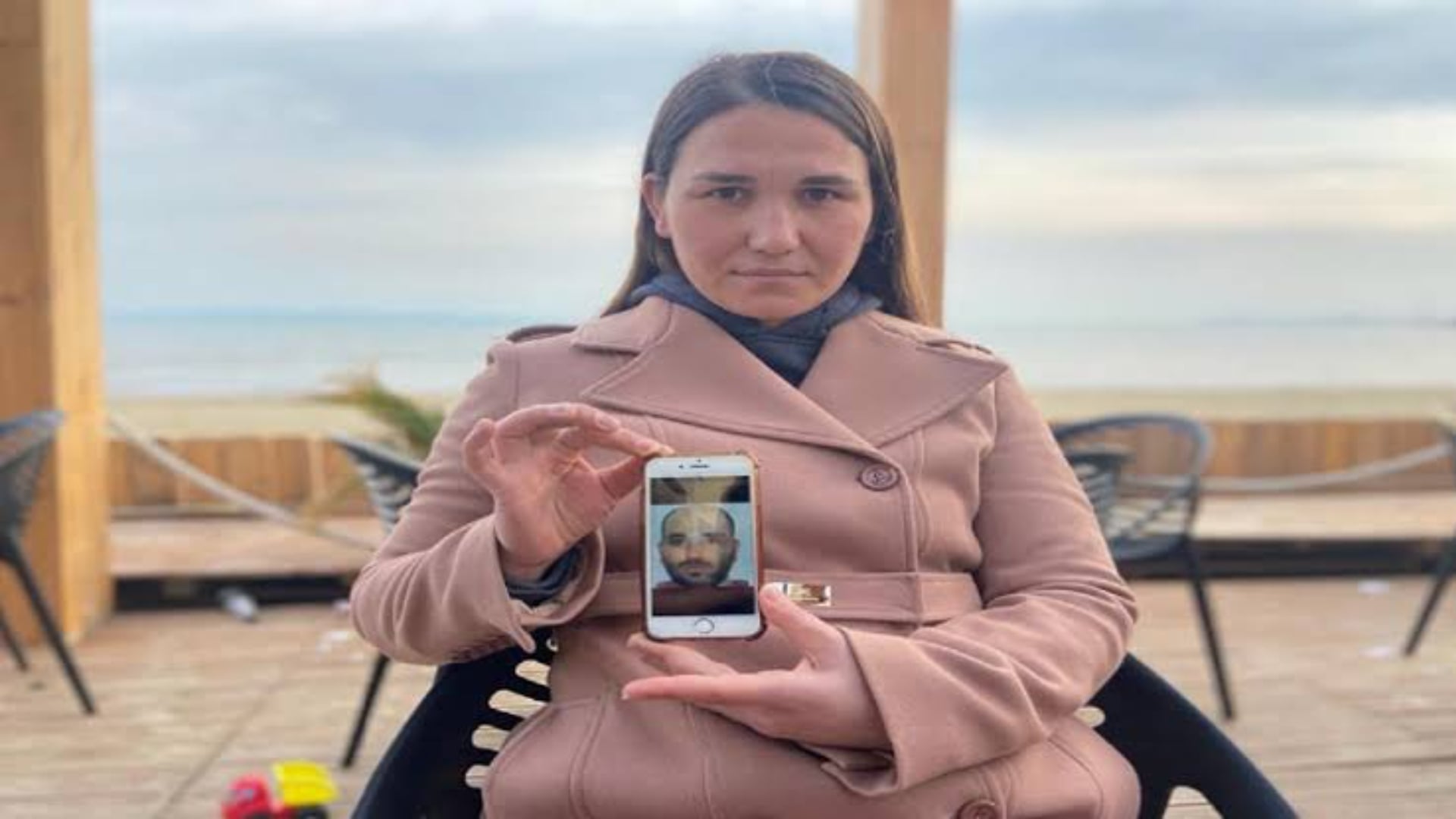
Death in hospital and the last phone call
Saimir Sula had gone to Barcelona at the beginning of 2020 and was living with his sister, Majlinda. At first he worked selling souvenirs and later applied for a residence permit in Spain.
In May 2020, at the height of the COVID-19 pandemic, he was admitted to hospital. According to his sister’s account, shortly before he died, he called her asking her to come urgently, claiming that his life was in danger.
When she arrived at the hospital, Saimir had died. The incident happened on May 9, 2020, on her birthday.
The body was returned to Albania, but the heart was missing
Suspicions deepened after the body was returned to Albania. According to family members, examinations found that the heart was missing, while the autopsy had not clearly established how the organ had been removed.
This is the point that has kept the case open for years and has raised serious doubts not only about the way the case was handled, but also about gaps in communication between the authorities of the two countries.
Investigation closed in Spain, questions still open in Albania
According to the investigation published in the Spanish media, the investigation in Barcelona was closed without any violations being found. On the other hand, in Albania, the Tirana Prosecutor’s Office still has an open case related to suspicions of organ trafficking.
However, according to the same information, 14 requested pieces of evidence have still not been obtained. They include hospital video footage, testimony from doctors and other individuals, as well as documentation from the first autopsy.
The absence of this evidence has fueled the family’s suspicions that a full clarification of the incident has remained at a standstill, despite the gravity of the case itself.
The heart handed over in 2023 and the mismatch in dates
After several years of efforts by family members, in July 2023 Albanian authorities received a heart which, according to the documentation mentioned in the investigation, bears a recorded date of death of April 22, 2020.
This date raises major questions, since Saimir Sula died on May 9 of that year. Because of technical difficulties, identification through DNA has not yet been carried out.
The family’s lawyer, Carlos Sardinero, claims that the organ was preserved and handled under conditions that made identification more difficult. He has also raised concerns about the way the heart was separated from the body without Albanian experts being informed.
Official versions do not close the questions
The hospital where Saimir Sula was admitted has said it cooperated with police investigations and judicial procedures in Spain, which, according to the institution, have been closed at all levels. The hospital also said that, so far, there has been no request from the Albanian judicial system regarding this case.
Spain’s Ministry of Justice has also said that all requests received from Albania have been made available. Meanwhile, Albania’s General Prosecution Office has not provided details, arguing that the case is sensitive.
This is precisely where the biggest public contradiction in this case lies: institutional parties say they acted according to procedures, but after six years there is still no convincing explanation as to why the young man’s body was buried without a heart and to whom the organ handed over later belongs.
The victim’s sister, Majlinda Sula, continues to call for Spanish authorities to intervene to fully clarify the case and to question the doctors involved.
According to her, only DNA analysis can determine whether or not the delivered heart belongs to Saimir Sula. Until then, the case remains one of the darkest and most unclear stories of recent years involving an Albanian who died abroad.