
After the alarm over the poisoning of children at kindergarten No. 10 in Vlora, Ujësjellës Kanalizime Rajoni Vlorë issued an official response rejecting suspicions that the cause is linked to drinking water. According to the institution’s version, 22 analyzed samples were found to be within standards and showed no presence of ammonia or nitrites.
The utility’s official response after the kindergarten case
The response came after suspicions circulated that the poisoning of children at kindergarten No. 10 may have been caused by contaminated water.
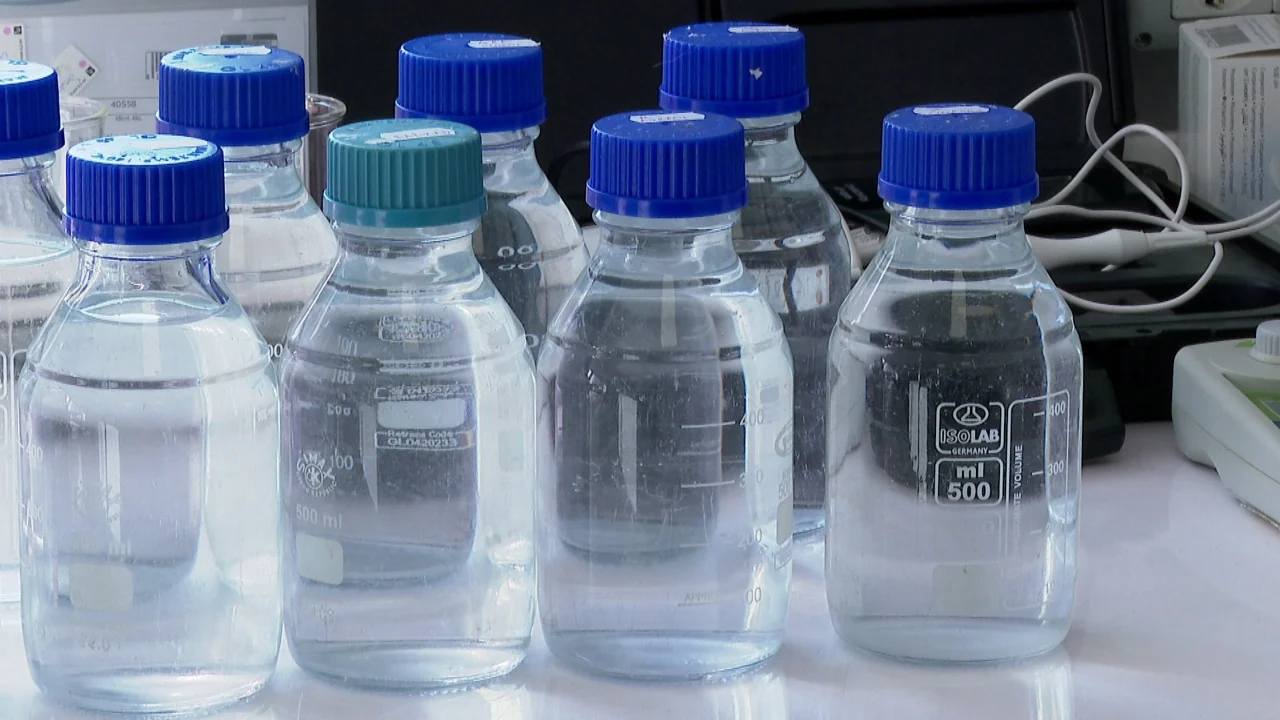
According to UKRV, the physicochemical and bacteriological analyses carried out in recent days did not identify any readings outside the norms in the samples taken. The institution claims that the laboratory results do not support, at least at this stage, the theory of water contamination.
What is claimed about the 22 samples taken
The official statement says that the 22 samples tested were found to comply with the relevant standards.
Also, according to this version, the analyses carried out did not detect the presence of ammonia and nitrites, two indicators that are usually discussed when there are suspicions about water quality.
The institution refers to laboratory analyses
The water utility says the information is based on laboratory data produced by the Directorate of Public Health.
In essence, the institution is seeking to put to rest suspicions over the water network through the results obtained so far, although the response does not provide further details about the exact places where the samples were taken or the exact timing of the tests.
Transparency promised, but questions remain
In its statement, UKRV stresses that checks and monitoring of water quality continue regularly and that the results are made public.
However, beyond the official communication that everything is “within standards,” it remains to be fully clarified what the source of the children’s poisoning was and whether all possible lines of inquiry have been verified.
For the moment, the water utility institution insists that the analyses do not show contamination of drinking water in connection with the case.
The incident, however, remains sensitive and requires full clarification from the responsible structures, beyond standard public communication formulas.