
Tensions on Europe’s eastern flank rose again overnight after several drones, initially reported over Latvia, later entered Estonian airspace. According to Estonian authorities and reporting by public broadcaster ERR, the situation prompted NATO fighter jets to be scrambled for monitoring.
What happened overnight
According to reports from Estonia, the air attack alert was first issued in Latvia before the drones moved toward Estonian territory. The incident comes at a time when the war between Russia and Ukraine is keeping security pressure high in the region.
Estonia’s Defence Forces said that at around 03:00 an air threat alert was activated in several areas of the country. The alert was lifted shortly before 06:00.
The official version from Estonian authorities
According to Lieutenant Colonel Uku Arold, head of the Strategic Communications Department of the Estonian Defence Forces, the drones moved parallel to the eastern border of Estonia and Latvia before entering Estonian airspace.
At this stage, the authorities have made public the movement of the aircraft and the activation of the alert, but no further details about the origin of the drones or the exact nature of their mission.
NATO sends jets into the air
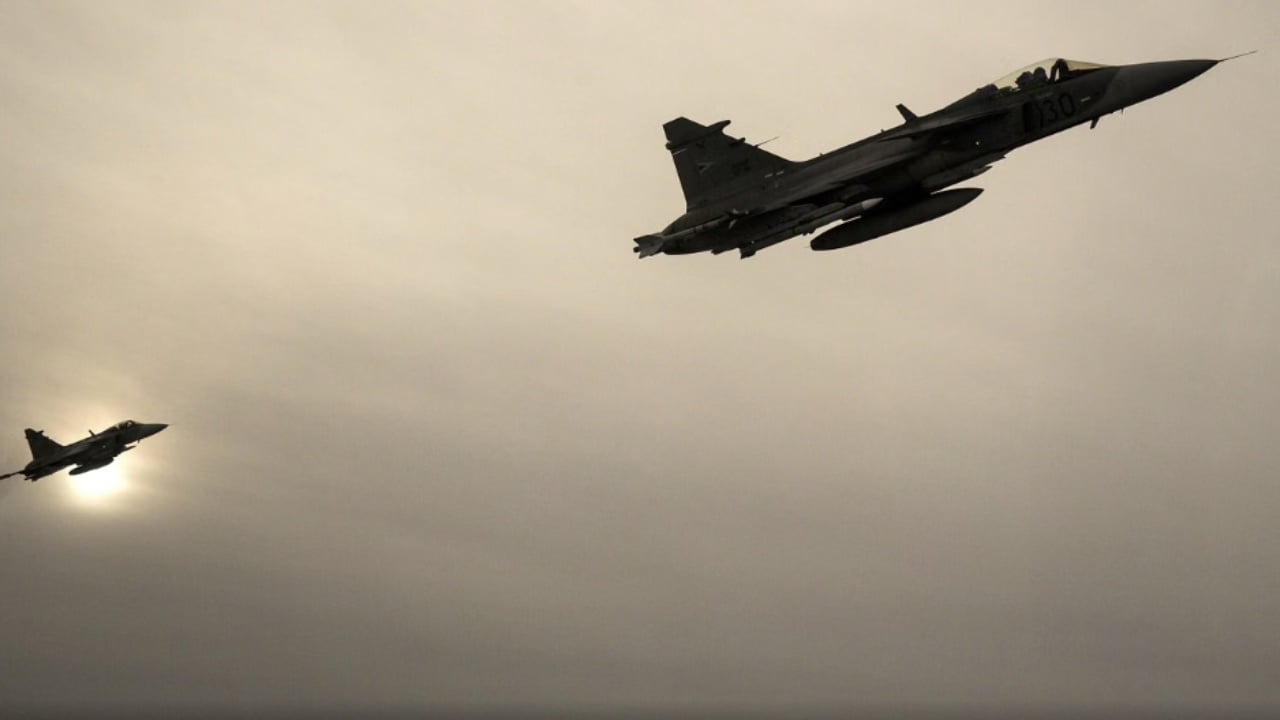
After the drones entered Estonian territory, NATO fighter jets from the Baltic Air Policing Mission were scrambled to monitor the situation. According to the official version, the intervention was carried out in line with the alliance’s air defence procedures.
Turkish Air Force fighter jets based at Ämari Air Base in Estonia as part of NATO’s airspace protection mission were involved in the response.
Political reaction and the background of tensions
Estonian Foreign Minister Margus Tsahkna said NATO had responded in line with established procedures and that the alliance remains ready to defend the territory of member states.
The incident is being viewed against the backdrop of continuing tensions in Eastern Europe, where any movement near the air borders of the Baltic states is treated with a high degree of security sensitivity.
For now, public information remains limited to statements from the authorities and initial reporting by Estonian media.
The incident once again highlights how fragile the security balance remains in the Baltic region, where air alerts and military responses are becoming part of the everyday reality of the eastern crisis.