
The toll from the floods in Nepal is worsening dramatically. According to local authorities, more than 1,000 people have lost their lives and more than 3,900 others are still reported missing, while much of the search effort is focused on mud-filled tunnels near several hydroelectric projects.
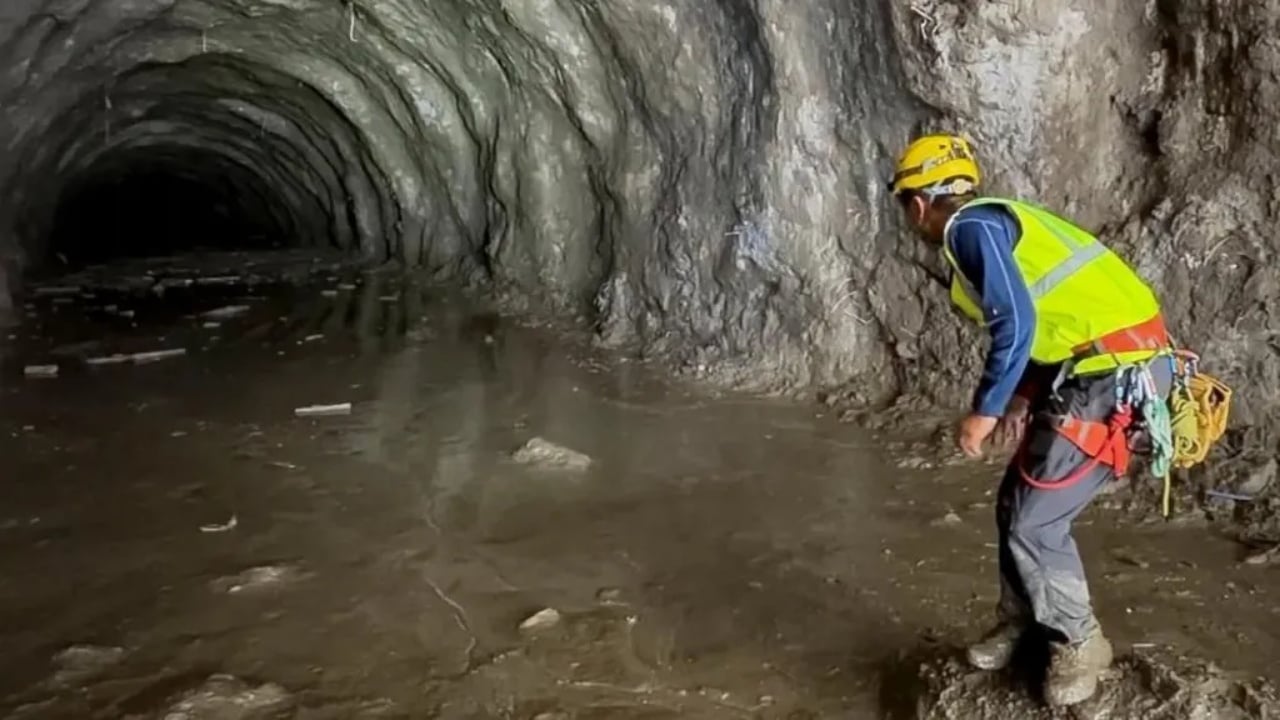
More than 600 workers are believed to still be underground
Among the missing are more than 600 workers who are believed to have been trapped in a network of tunnels near the Trishuli River. The area is linked to hydroelectric projects, while conditions on the ground are making it extremely difficult for rescue teams to gain access.
Teams have begun pumping air into the tunnels where survivors may still be present. One team managed to enter one of the tunnels leading to a hydropower plant, but withdrew without finding signs of life.
The operation has been expanded, but relatives criticize the pace
According to the official version, the search-and-rescue operation has been intensified and is being led by Nepalese and Chinese military personnel, with the participation of experts from India, South Korea and Australia. Nepal Prime Minister Balendra Shah has said that 279 people have been rescued from the affected areas.
However, relatives of the missing are questioning the speed of the response. They are demanding that the operation be accelerated, arguing that every lost hour reduces the chances of finding those trapped alive.
Hope rests on oxygen systems in the tunnels
Families are clinging to the possibility that some of the tunnels may have oxygen systems. That is why some of them believe there is still a window of rescue for the missing workers.
On the ground, this scenario remains unclear and there is no confirmation of the exact number of people who may be alive under the mud. For the families, the wait is becoming as unbearable as the disaster itself.
Identifying the victims is proving difficult
According to a spokesperson for the Health Ministry, only about 4% of the 900 bodies recovered so far have been identified. This figure gives a clear sense of the scale of the chaos caused by the disaster.
Medical workers and volunteers are taking DNA samples from unidentified bodies in an effort to ensure that families at least have the chance to identify and receive the remains of their loved ones.
Experts warn the terrain makes the response extremely dangerous
Australian engineer Arnold Dix, who is involved in advising Nepalese authorities on the underground search, has said that the main difficulty remains the precise location of the tunnels. Only after that, he said, can teams use excavation or controlled explosions to open a path toward the areas where people are believed to be trapped.
He warned that there are giant rocks in the area, larger than houses, turning the operation into a high-risk intervention and one moving at a much slower pace than the emergency demands.
Amid the rising toll and search efforts advancing under extreme conditions, the drama in Nepal remains unresolved. For thousands of families, between the official numbers and the impassable terrain, everything has narrowed to a grim wait for news that still has not come.