
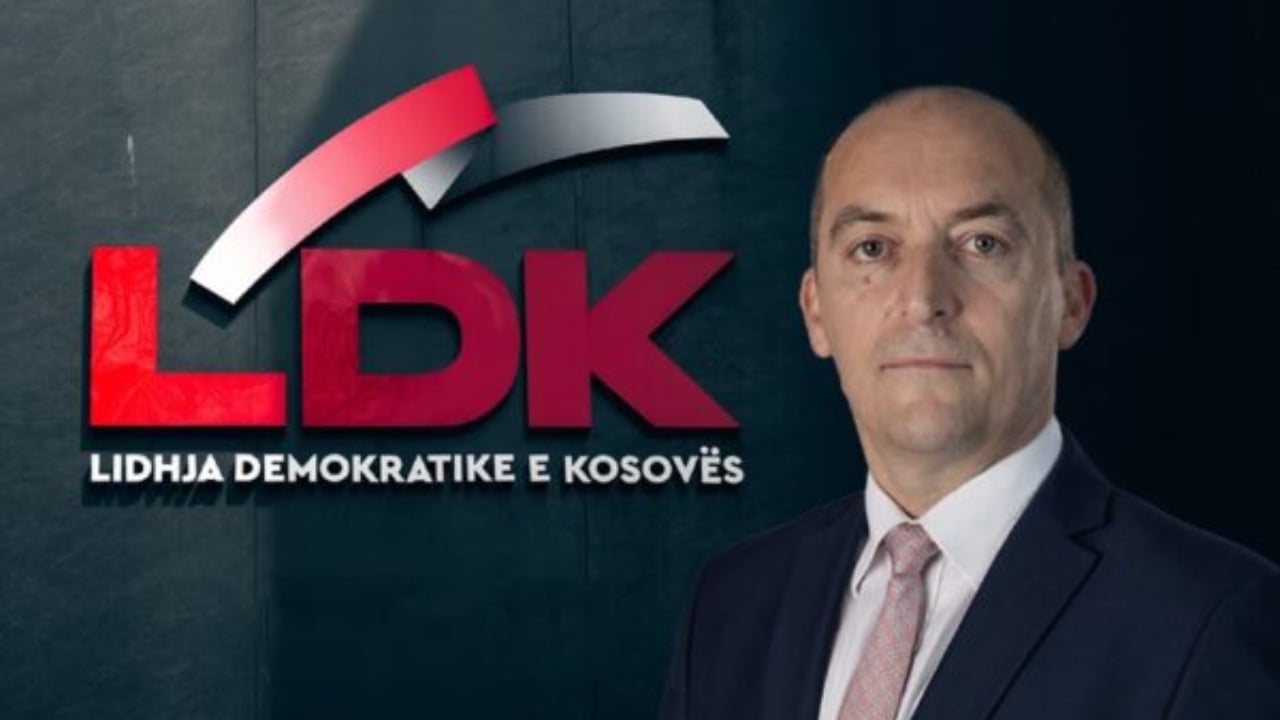
The Democratic League of Kosovo has politically sealed its rapprochement with Vetëvendosje, unanimously approving the agreement between the two sides and openly backing Professor Bekim Sejdiu for President of Kosovo. According to the party’s statement, the move is being presented as a solution to the institutional deadlock, but the message from the leadership also shows a clear effort to discipline the parliamentary group ahead of the vote.
The leadership’s decision and the signal to lawmakers
The decision was taken by the LDK leadership shortly before the parliamentary group meeting. In its official position, the party told lawmakers to act during the vote in line with the decisions of the governing bodies and the mandate given by the LDK Assembly.
In essence, LDK has turned this agreement into the party’s official institutional position, closing the space for political ambiguity within its ranks at a sensitive moment for the election of the President.
What the political agreement contains
According to the version made public by LDK, the agreement with Vetëvendosje aims to overcome the institutional crisis and conclude the process of electing the President of the Republic of Kosovo.
The party presents this step not simply as support for a specific name, but as part of a political formula to avoid a new crisis and guarantee more stable functioning of the institutions.
Why LDK is pushing Bekim Sejdiu’s candidacy
LDK argues that Bekim Sejdiu meets the criteria for the post of President, pointing to his profile as a jurist, university professor, diplomat and former judge of the Constitutional Court.
In its statement, the party presents Sejdiu as a figure with integrity and institutional experience, capable of carrying out the duty independently and impartially. These remain, however, political assessments by LDK itself in support of the choice it has made.
Institutional stability or a forced compromise?
LDK insists that the decision is linked to preserving institutions, the constitutional order and avoiding a new political confrontation. The rhetoric used by the party places emphasis on the state interest and responsibility toward the Republic.
However, the fact that the agreement has been approved at this stage shows that the election of the President is not being treated only as a matter of institutional profile, but also as a test of balances between parties and of the ability to emerge from the political impasse without new costs for the institutions.
With this decision, LDK officially aligns itself with the agreement with Vetëvendosje and gives its full support to Bekim Sejdiu’s candidacy for head of state.
Attention now shifts to the vote and to whether this political agreement will be enough to produce the solution that the parties are presenting as a way out of the crisis.