
The salary crisis in the justice system became a point of political confrontation at the Conference of Chairs, where Democratic Party parliamentary group leader Gazment Bardhi leveled strong accusations against Parliament over the failure to implement a Constitutional Court ruling. The debate comes at a time when parts of the administration of the Tirana Court are boycotting over unpaid salaries.
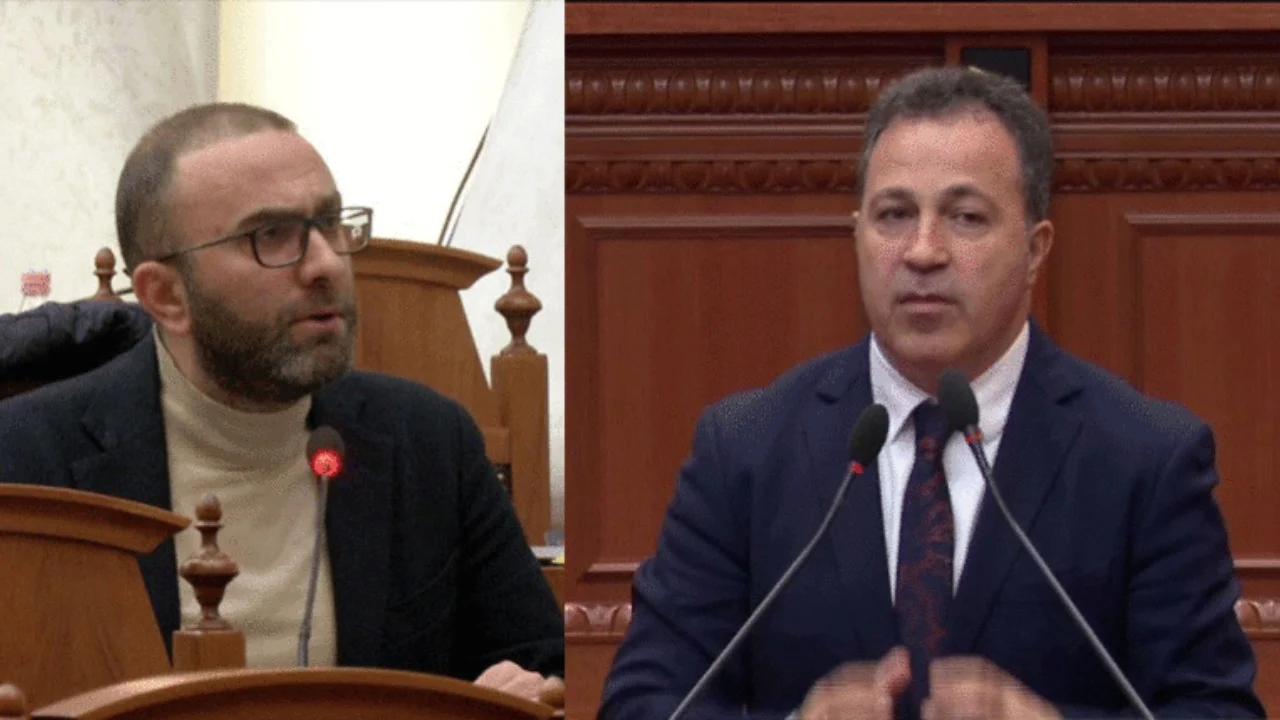
Bardhi raises the tone against Parliament’s leadership
According to information reported from the meeting, Bardhi addressed Speaker of Parliament Niko Peleshi with a request to implement the Constitutional Court’s ruling on judges’ salaries.
He claimed that the courts are in collapse precisely because of the failure to respect the Constitution and that Parliament has not taken the necessary steps to enforce the ruling in question.
Accusations over failure to implement constitutional rulings
According to Bardhi’s version, there is not only a Constitutional Court ruling, but also a position from the Council on Legislation on its implementation, while the majority is leaving the issue unresolved.
At the heart of the opposition’s accusation is the claim that Parliament is giving priority to government acts over the obligation to respect the constitutional hierarchy of norms.
Delayed salaries are having an impact on the ground
The political clash is not confined to Parliament’s halls. According to claims raised at the meeting, judges still have not received their salaries, while the situation has produced concrete consequences for the functioning of the system.
In this climate, the administration of the Tirana Court, including court secretaries, as well as the structures of the Civil Chamber and the Criminal Chamber, has entered a boycott because of the deadlock over August salaries.
A debate exposing the institutions’ long-standing crisis
The harsh rhetoric at the Conference of Chairs once again highlights a broader problem: when constitutional decisions remain subject to interpretation or are delayed in practice, the cost falls on the functioning of justice and on citizens awaiting service from the courts.
So far, in this political episode, the public accusation from the opposition is clear, while the salary problem and the paralysis in the courts remain the most concrete part of the crisis.
The debate in Parliament comes at a time when the justice system is facing heightened institutional tension and direct consequences for the daily work of the courts.
Beyond the political clash, the issue once again raises questions about how institutions implement constitutional rulings when the consequences affect public service and the normal functioning of justice.