
Another political clash has erupted over funds and appointments in healthcare, this time around a decision by the new minister, Klodiana Spahiu, and the dialysis tender worth €48.2 million. The opposition speaks of control over public funds, while the minister rejects the accusations and presents the appointment as a professional choice.
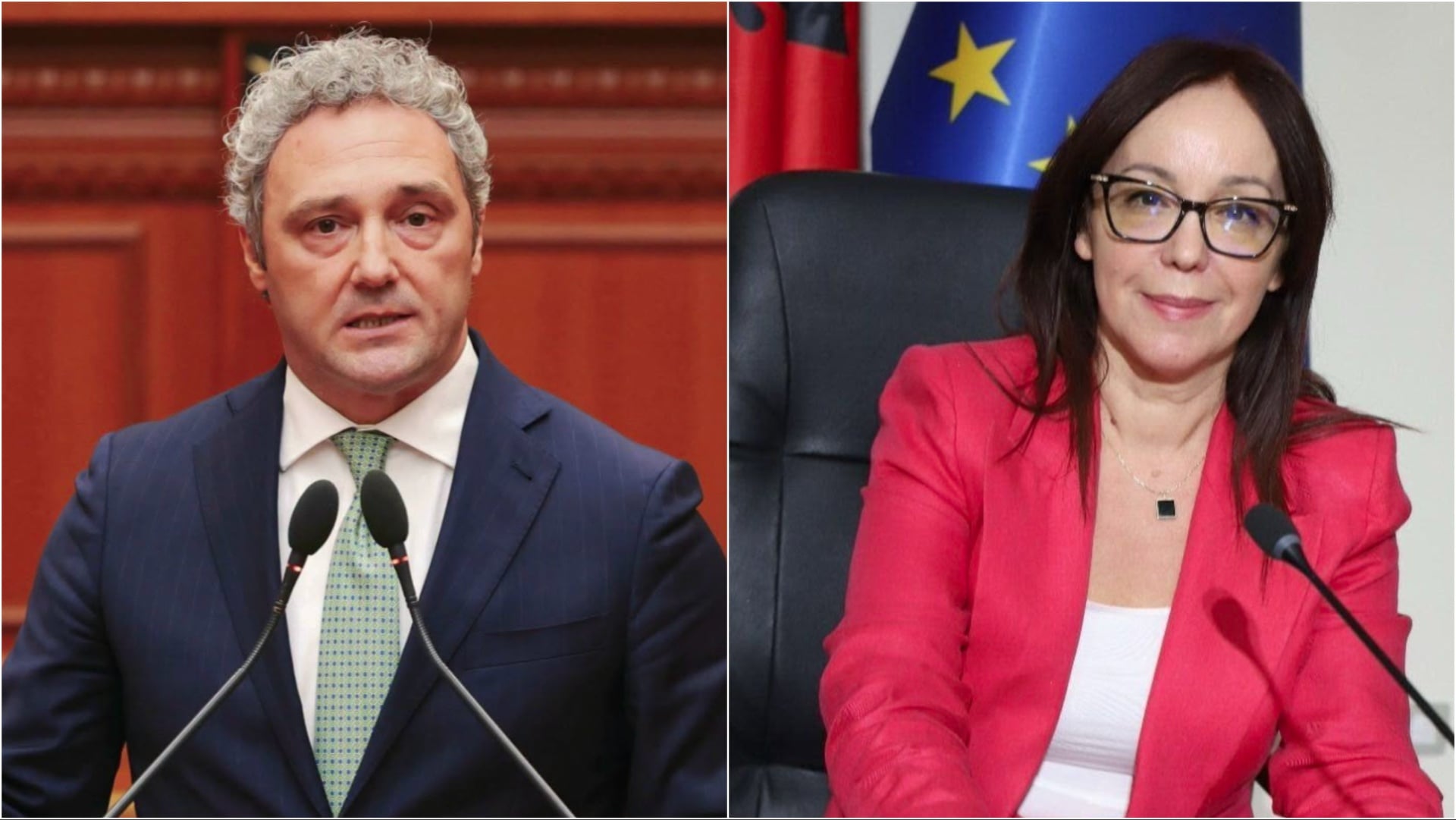
Opposition accuses appointment of being linked to tender
Democratic Party MP Bardh Spahia has accused the new Health Minister that one of her first actions in office was appointing Yllka Kukalaj to head OSHISH, linking the move to the dialysis tender worth €48.2 million.
According to Spahia, the appointment is not a routine administrative decision, but part of a broader scheme to keep healthcare funds under control. He claims the government is using public money in a questionable way and describes the development as the “next mega-affair.”
Claims of family ties and control over funds
In his public reaction, Spahia claims the appointment came immediately after, according to him, a “non-competitive” dialysis tender was sealed. He also mentioned complaints from citizens about family ties of the appointed person, claims he uses to raise doubts about how positions and contracts in the sector are being managed.
The DP lawmaker goes further when he says that tens of millions of euros from services such as sterilization, dialysis and check-up risk remaining under the influence of people close to those in power. Politically, he warns that the Democratic Party will seek the cancellation of procedures it considers corrupt and criminal prosecution for those involved if it comes to power.
Minister’s response: appointment based on professional profile
Health Minister Klodiana Spahiu responded publicly to the accusations, arguing that Yllka Kukalaj was chosen on the basis of experience and previous responsibilities in administration.
According to her version, Kukalaj is an economist, headed the budget and salaries sector at the Municipality of Krujë, and later was in the leadership of the city hospital as head of the contracting authority. Spahiu said she knows her from working together, including during difficult periods such as the earthquake, the pandemic and the reconstruction of the hospital building.
Minister rejects insinuations, but debate over concessions remains
Spahiu rejected the insinuations about family ties, calling them an old way of attacking women who take public office. In her response, she stressed that the appointed person should be judged on her work and not on ties attributed to her in political debate.
She also stated that professionalism must come before prejudice and the citizen before the concession, suggesting that reviewing the procedure will be part of her approach in office. Nevertheless, beyond the exchange of accusations, the issue again brings to the center a sensitive point: tenders and concessions in healthcare continue to remain an area of strong political and public suspicion.
The clash between the opposition and the new minister comes at a moment when every appointment and every contract in healthcare is being read beyond its administrative aspect.
When tens of millions of euros in public money are at stake, the debate does not stop at biographies and political statements, but at the need for verifiable transparency over procedures and decision-making.