
Bekim Sejdiu has withdrawn from his candidacy for president of Kosovo, in a development that once again highlights the political deadlock surrounding the election of the head of state. The jurist proposed by Lëvizja Vetëvendosje and the Democratic League of Kosovo admitted that he failed to secure the support needed to be voted through in the Assembly.
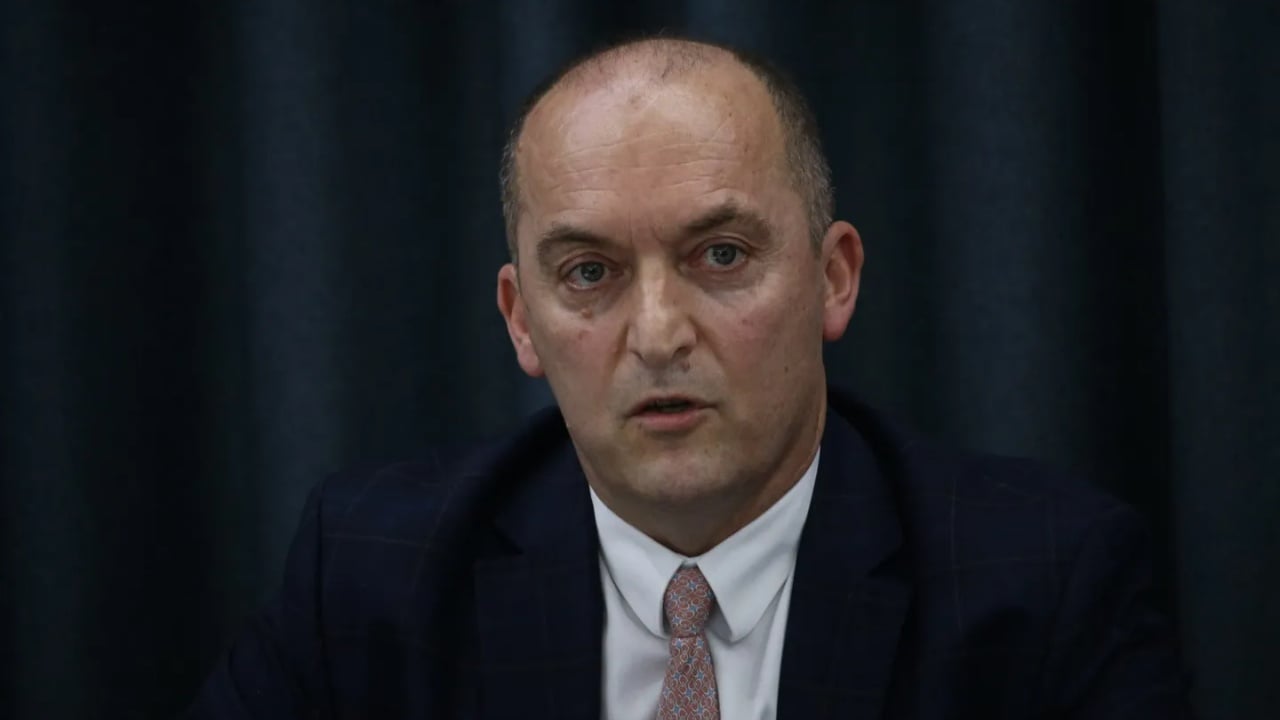
Withdrawal after lack of votes
In his announcement, Sejdiu argued that the decision came because of the lack of the necessary parliamentary support and because of what he described as the deviation of the process into internal political clashes.
He said he had informed both LDK and Vetëvendosje of the decision, the two political forces that had proposed him as a candidate for the post of president.
VV-LDK agreement did not produce the numbers
Bekim Sejdiu’s candidacy had emerged from the agreement between Vetëvendosje and LDK, but this formula did not prove sufficient to carry the process through to the end.
According to publicly released information, he did not receive the support of six LDK deputies, making it impossible to reach the quorum of 80 deputies required for the election of Kosovo’s president.
Another episode of political deadlock
The candidate’s withdrawal turns the presidency issue into yet another test of the ongoing political crisis in Kosovo, where agreements between parties are not being translated into a functional majority in the Assembly.
At its core, the failure is not tied only to one name, but to the inability of the political sides to build the minimum consensus for a post that requires institutional stability rather than narrow party calculations.
Lumir Abdixhiku’s reaction
LDK leader Lumir Abdixhiku expressed regret after Sejdiu’s candidacy was withdrawn and linked this development to the harsh political climate in the country.
In his reaction, Abdixhiku spoke of political chaos, blockade and attacks on the candidate’s image, portraying the withdrawal as the result of a clash that, according to him, is harming the normal functioning of political life in Kosovo.
With Bekim Sejdiu’s withdrawal, the process for electing the president remains open and mired in political uncertainty.
What appeared to be a compromise candidacy between two political forces ended without the necessary numbers, once again leaving the institution of the presidency hostage to parliamentary divisions.