
Former Prime Minister Pandeli Majko described today’s ruling by The Hague court on Hashim Thaçi as a dramatic moment which, in his view, does not change the history of the Kosovo war, but opens a blow with political and human weight beyond the individual fate of those convicted.
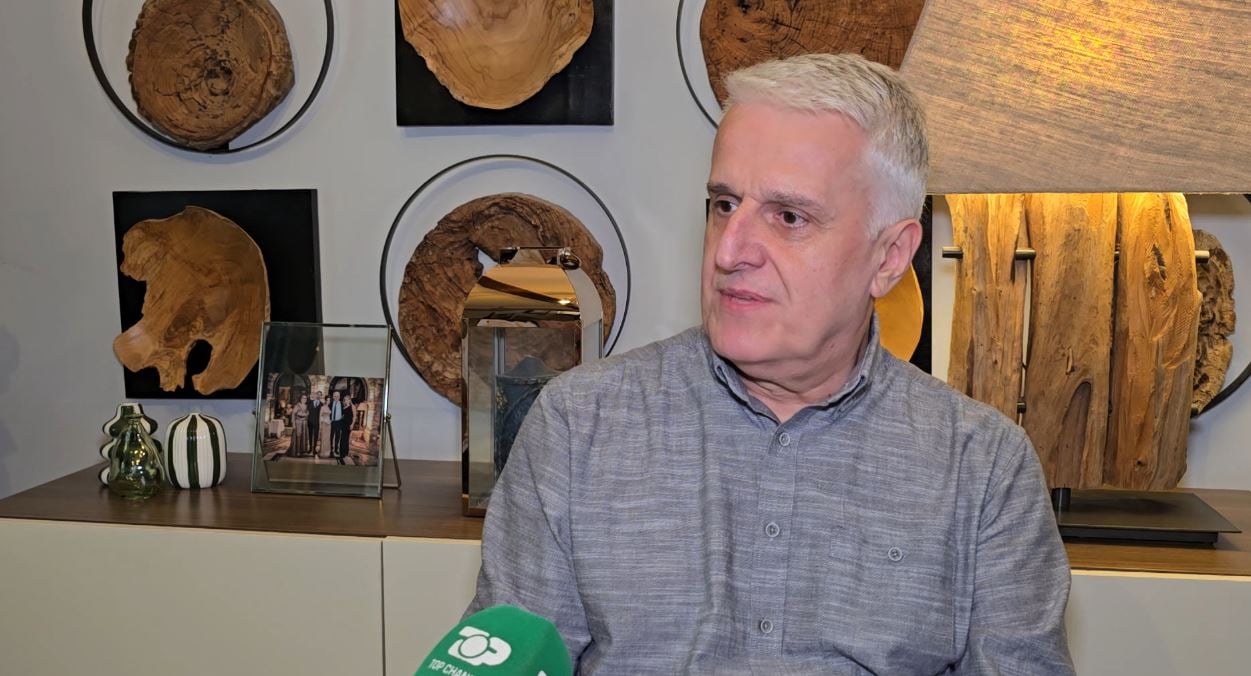
Majko: the ruling does not overturn the history of the war
In his reaction, Majko said today’s verdict should be seen as the decision of an international court, but not as an act that closes the historical debate over the Kosovo war.
He argued that history is not changed by a judicial ruling, adding that the weight this verdict will carry over time will depend on the circumstances and on how it is read politically and historically.
The personal dimension and his relationship with Thaçi
Majko also linked his reaction to the role he had during the war years, when he was Albania’s prime minister and Thaçi was one of the leading figures of the KLA and part of the Rambouillet delegation.
He described Thaçi as a political leader and fighter, saying he has been his friend and that, after this ruling, he will be even more of a friend to him.
Between emotion and criticism of a narrow reading of the process
Amid visible emotion, Majko called the process an extraordinary human drama and expressed pessimism about the way in which, according to him, the history of the Kosovo war is being distorted.
Along the same lines, he opposed the reading that the KLA could be considered to have emerged entirely untouched by this process, stressing that its figures have been killed or convicted and that, for him, this makes the historical and human consequence much deeper.
A call for restraint and waiting for the appeal
Majko called on Kosovo and Albania to maintain a dignified stance and avoid emotional clashes with justice, suggesting that political reactions should not replace an institutional weighing of the issue.
According to him, the legal battle is not over, as the process will continue on appeal. For this reason, he called for the ruling not to be read only as the personal fate of those convicted, but as a development that more broadly affects the political and national narrative of Kosovo and Albania.
What he said about the Special Court
Majko recalled that the Special Court was established in 2015 by decision of the Kosovo Assembly, following constitutional changes and agreements with the European Union.
According to him, accepting this court was a cost that Kosovo chose to pay in the service of international consolidation, while he presented its creation as an act with a high political and historical price.
Majko’s statements come at a moment when The Hague ruling is being read not only on the legal level, but also as evidence of the tension between international justice, war memory, and the political legitimacy of the figures who emerged from it.
In this debate, interpretations remain strong and divided, while the appeal is expected to be the next link in a case that continues to produce consequences beyond the courtroom.