
Albania’s Parliament will hold another plenary session today, starting at 3:00 p.m., with the formal focus placed on issues identified by voters. According to the agenda, before the political and parliamentary debate begins, standard procedures will be addressed, from approval of the minutes of the previous session to announcements.
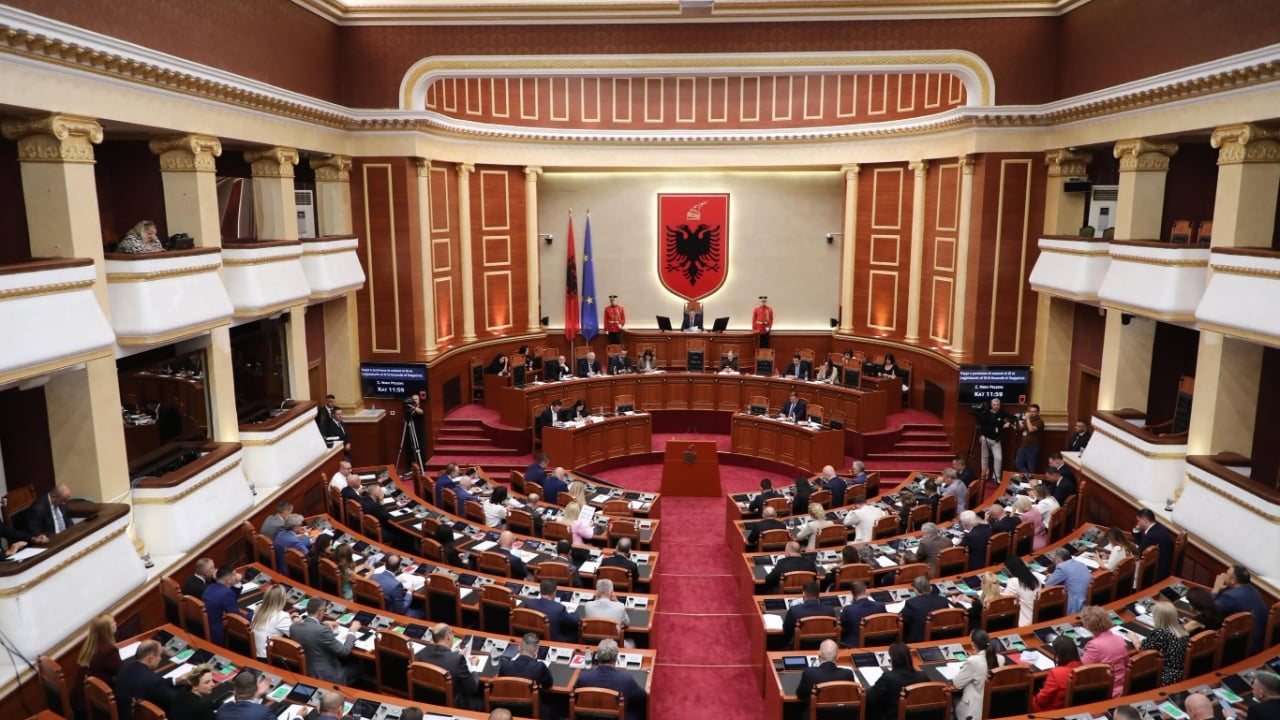
What the agenda provides
The session opens with approval of the minutes of the September 24 plenary meeting, followed by announcements. Only after these items are handled are lawmakers expected to move into discussions on issues brought by voters to Parliament.
In the official version of the agenda, this is the central item of the afternoon session and is expected to take up most of the proceedings.
Four hours of debate, but time divided politically
Up to four hours have been set aside for discussion on this item. The speaking time has been divided among the majority, the opposition, and lawmakers who are not part of parliamentary groups.
The division of time also reflects the numerical balance in the chamber, but not necessarily the actual weight that the issues raised by citizens will have in the debate.
How many minutes each parliamentary group has
According to the official agenda, the Socialist Party parliamentary group has 140 minutes at its disposal, while the Democratic Party parliamentary group has 60 minutes.
The “Alliance for Change” group has been allocated 12 minutes, and the same amount has been set aside for the “Freedom Party” parliamentary group. Lawmakers outside parliamentary groups have a total of 16 minutes for discussion.
A routine session, but a test of real representation
Procedurally, this is a routine session of parliamentary activity. However, how the time in the chamber is used remains key to understanding whether voters’ concerns will be addressed in substance or merely consumed as part of the formal agenda.
The proceedings are expected to take place during the afternoon, according to the time allocations set out in the agenda.
It remains to be seen how much of the space set aside for debate will be used for concrete problems affecting citizens and how much will be dominated by the usual clash between the sides in Parliament.