The Audiovisual Media Authority has acknowledged that it has taken no formal steps in cases involving intimate videos distributed on social media, on the grounds that no official complaint has been filed. The statement by chair Armela Krasniqi highlights a practical limit of the institutional response, precisely on an issue where both public and individual harm can spread quickly.
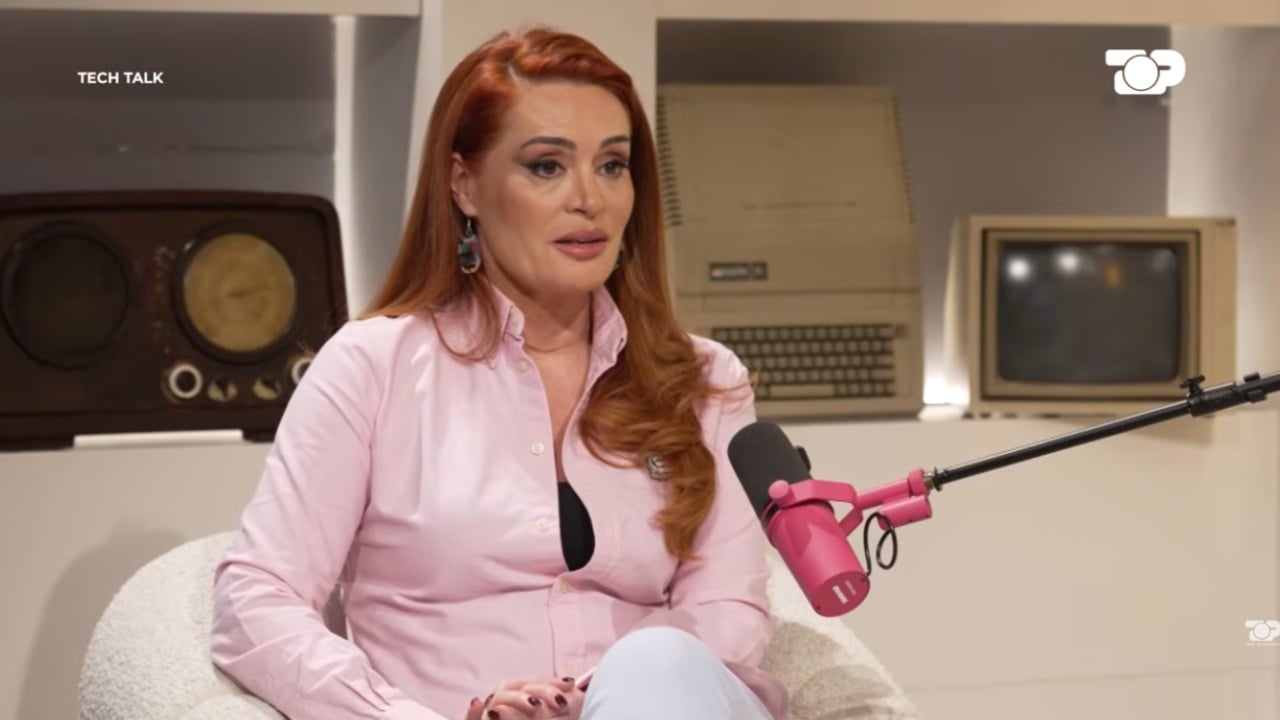
Krasniqi: without a complaint, the institutional mechanism is not activated
In a public appearance, Armela Krasniqi described the distribution of intimate videos as “disgusting,” but clarified that, according to her account, AMA has so far received no complaints about these materials.
She said the institution has received complaints about the language used during the public debate around these cases, but not about the videos themselves published and distributed on digital platforms.
Debate over the limits of AMA’s role
The position presented by the AMA chair places the emphasis on procedure: according to her, an institutional response begins only when a complaint is filed. This leaves open the question of whether the current mechanism is sufficient for cases that spread widely online before victims or citizens are able to react.
Krasniqi stressed that the current legislation does not include monitoring of digital platforms in the same way as audiovisual media, signaling the formal limits of the institution’s competence as well.
Complaints about language, not content
According to her statements, AMA has acted only on the issue of language that exceeded ethical norms in the public debate. As for the intimate content itself distributed on social media, the institution says it has received no official request to intervene.
This distinction between the public debate and the material circulating online shows a clear gap between what is seen publicly and what is actually handled by the responsible structures.
Cooperation with TikTok and the reporting route
AMA has announced that it has established cooperation with TikTok. Under this mechanism, affected individuals or citizens who identify such content can submit a complaint through the official website ama.gov.al.
The institution’s message remains the same: reporting by the public is considered a condition for action. In practice, this means the burden of triggering the procedure remains on the citizen, even when dealing with highly sensitive material with immediate impact.
AMA’s statement makes clear that, at least so far, the institution sees itself more as a recipient of complaints than as a structure that intervenes on its own in cases involving the spread of intimate content online.
In an environment where videos spread far faster than procedures, the lack of an official complaint is being presented as the main reason for inaction.