
A temporary ceasefire has taken effect in Oleshky, a Ukrainian city under Russian occupation, with the aim of opening the way for humanitarian aid and the evacuation of civilians. On the ground, the picture remains dramatic: residents left without food, water and electricity say they survived by boiling grass.
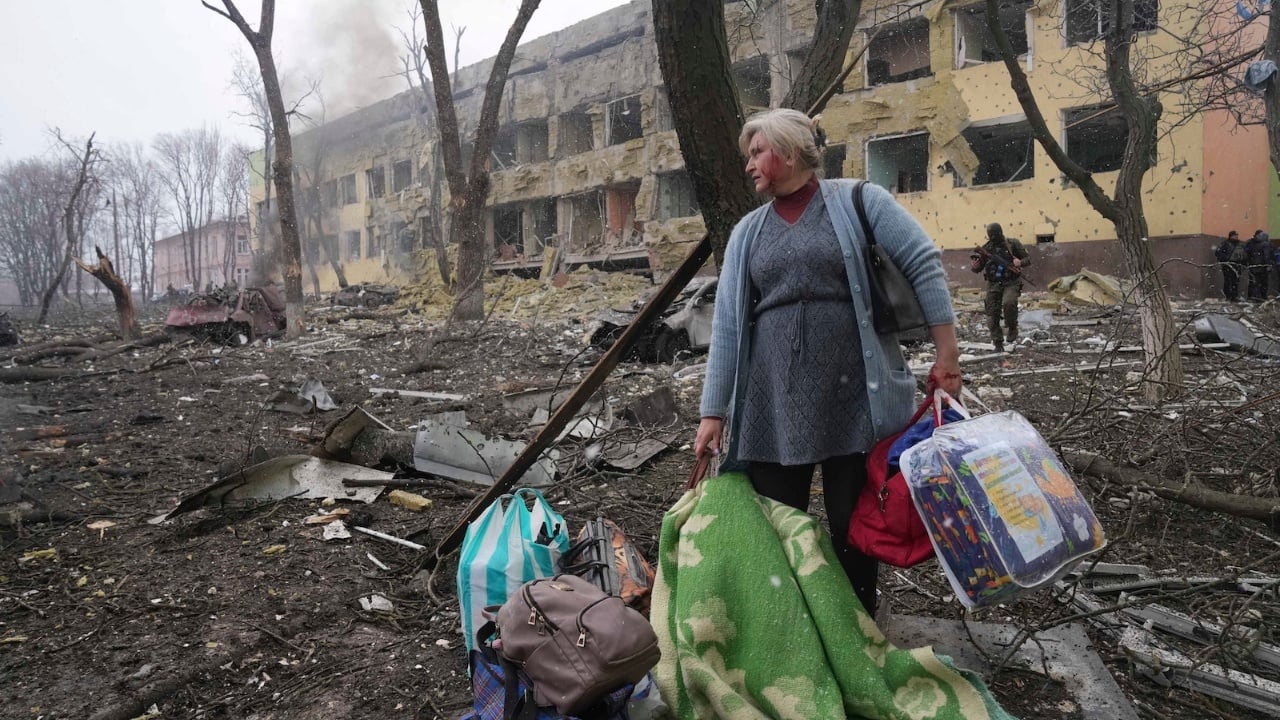
The ceasefire is being presented as a window for aid and evacuation
According to the Ukrainian authorities and the Russian Defense Ministry, the ceasefire is being observed. The official version from both sides says this period will be used to deliver vital supplies and to remove civilians from the area.
The humanitarian operation is also expected to include clearing roads of mines, a necessary step to create minimum safety conditions for the movement of residents. However, the fact that the corridors depend on coordination between the warring sides keeps the situation fragile.
A city isolated for years and facing extreme shortages
The situation in Oleshky has worsened significantly. Because of the lack of food, some residents have been forced to cook grass to survive, a clear sign of the deepening humanitarian crisis.
For three years, the city had no electricity, gas or water. Shops are closed and opportunities to secure supplies remain extremely limited, turning survival into a daily challenge.
Thousands of people still trapped in the area
According to estimates from Kyiv, up to 6,000 people remain in Oleshky and the surrounding areas, including around 200 children. The figure shows that even after years of war and mass departures, a significant number of civilians are still in the area and exposed to danger.
Before the Russian occupation in February 2022, Oleshky had around 24,000 residents. The sharp population decline reflects not only departures, but also the heavy cost of a war that has destroyed normal life in the city.
Leaving remains dangerous despite the ceasefire
Even with the ceasefire in force, leaving the area is not considered safe. Roads are mined and exposed to drone attacks, making any humanitarian corridor unsafe in practice.
According to the White House, the ceasefire was secured by US First Lady Melania Trump and is expected to last until November 1. The operation is being coordinated by Ukrainian and Russian human rights representatives, with US mediation.
For the civilians remaining in Oleshky, the ceasefire does not immediately change the reality of years without lights, water and food, but it may create a limited space for aid and departure.
In an area where even the escape route runs through mines and the risk from the air, any claim of normalization remains dependent on what actually happens on the ground.