
Fuel prices in Greece have entered another phase of increases, with gasoline and diesel crossing the 2-euro-per-liter mark nationwide. Signals from the market suggest the blow for consumers may not be over yet, especially ahead of the expiration of the current government support measures.
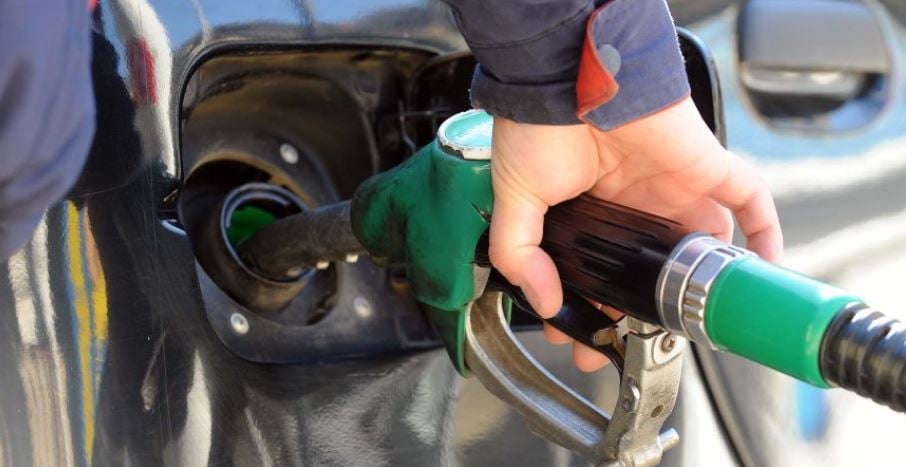
National average rises above 2 euros
Unleaded gasoline has reached an average of 2 euros and 1.5 cents per liter in Greece, while diesel is averaging 2 euros and 2 cents per liter.
The crossing of this threshold comes at a sensitive time for Greek households, which have been facing high living costs for months and continued pressure on their daily budgets.
Operators warn the increase is not over
According to representatives of fuel stations, a new wave of price increases is expected to be reflected at the pumps in the coming days.
Over the past seven days, refineries have raised the price of diesel by 11 to 12 cents and gasoline by 6 to 7 cents. Part of this increase, according to market operators, has not yet been passed on to the final consumer.
September 1 seen as the next test for prices
The main concern is linked to the end of August, when the current support measures of the Greek government expire. If these measures are not extended, the Federation of Fuel Sellers warns that gasoline could reach 2 euros and 20 cents per liter, while diesel could rise to 2 euros and 25 cents.
This means the burden will not remain only on drivers, but could spread further along the chain of costs for transport and trade.
The effect is expected to spread to food prices as well
Higher diesel prices usually translate into higher transport costs, which could also push up the prices of food and other everyday products.
In July, inflation in Greece reached 3.4%, while energy and services have continued to put pressure on household finances. This makes any new movement in fuel prices even more sensitive.
Government considers extending support
According to the official version, the government is considering the possibility of extending the diesel subsidy beyond the end of August.
Attention has shifted to the beginning of September and the Thessaloniki International Fair, where Prime Minister Kyriakos Mitsotakis is expected to present a new package of relief measures for families, pensioners, the middle class and small businesses. It remains to be seen whether these measures will have a real effect against the pace of rising prices.
For consumers, the problem is not only the figure displayed on the fuel station board, but the chain effect it has on the overall cost of living.
If public support is not extended or proves insufficient, September could bring another wave of pressure on Greek families.