
One of the best-known figures of China’s real estate boom has received the harshest criminal sentence. Xu Jiayin, the founder of China Evergrande Group, has been sentenced to life imprisonment, while the group and its main real estate subsidiary have been fined about €2 billion.
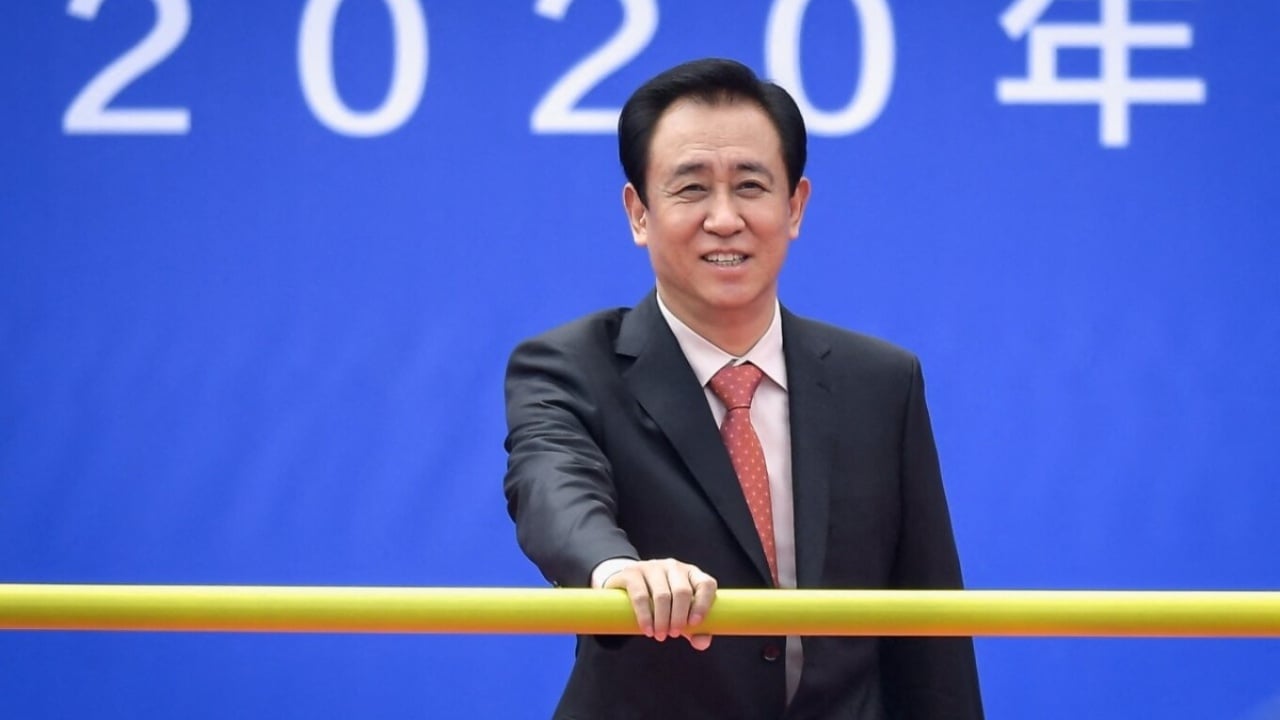
The court ruling in Shenzhen
According to a ruling handed down by a court in Shenzhen, Xu Jiayin, also known as Hui Ka Yan, was found guilty of several criminal offenses, including misuse of funds, fraud in raising capital and misuse of public deposits.
In addition to life imprisonment, the court also ordered a fine against him, the permanent deprivation of his civil rights and the confiscation of all his personal assets.
Nearly €2 billion in fines for the group
The financial blow does not stop with the founder. China Evergrande Group was fined 8.82 billion yuan, or about €1.12 billion, while Evergrande Real Estate was fined 7 billion yuan, about €890 million.
In total, the fines against the two companies amount to approximately €2 billion, another sign of the scale of the collapse that shook China’s real estate sector.
Sentences for other executives as well
Five other senior group executives were also sentenced in the same case. According to the official version, they received fines and prison terms ranging from six to 18 years.
The case shows that Chinese authorities are treating the matter not simply as a business failure, but as a criminal scandal with wide financial consequences.
From construction giant to symbol of crisis
Xu Jiayin was once among China’s most powerful businessmen, while Evergrande for years became one of the country’s largest construction companies.
But the company faced a severe financial crisis and declared bankruptcy in 2021. At that time, the group held about $300 billion in debt, becoming one of the main symbols of China’s real estate crisis.
Little hope for creditors
Xu had been found guilty in April on eight criminal charges, while the latest ruling marks the peak of the downfall of a man who once personified wealth and success in the Chinese market.
However, according to analyses cited by Reuters, his sentencing is unlikely to bring real relief to Evergrande’s domestic and foreign creditors, who suffered major losses from the company’s collapse.
The Evergrande crisis remains one of the biggest episodes in China’s real estate sector, in an economy that continues to bear the weight of this market’s problems.
The sentencing of Xu Jiayin closes a grim chapter for the biggest name in China’s real estate collapse, but not necessarily the financial wounds left behind by Evergrande.
For many creditors and investors, the criminal ruling may carry symbolic weight, while the losses remain very concrete.