
Prime Minister Edi Rama delivered a message that, at least on paper, sounds like criticism of his own government: the “Pasqyra Albania” platform should not serve as a propaganda billboard, but as a place where citizens can also see the failures, delays, and unpleasant decisions of the state. It remains to be seen whether this standard will actually be applied to projects financed with public money.
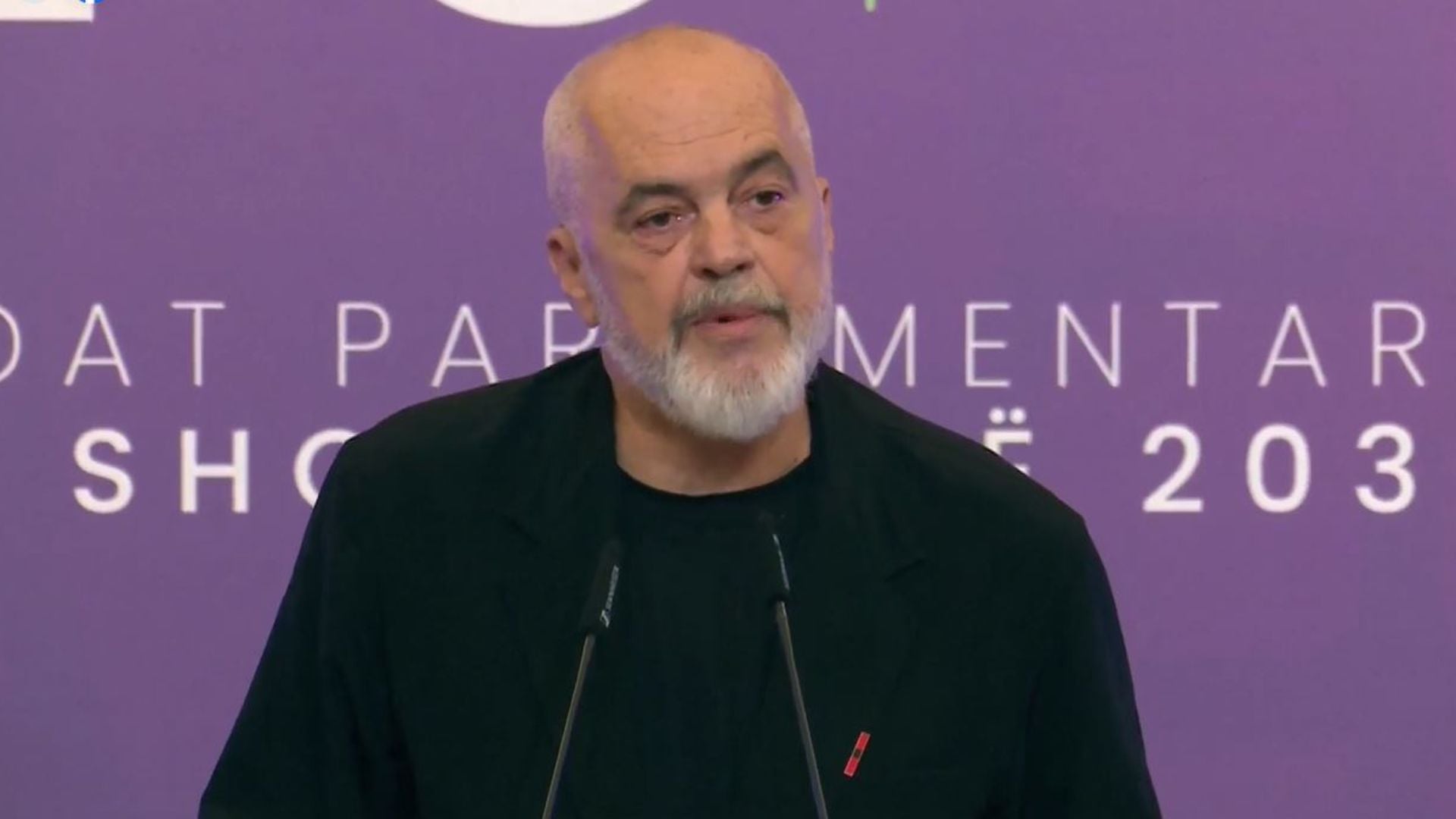
Rama calls for mistakes to be shown as well
At the government meeting, Rama spoke about the importance of institutional transparency through the “Pasqyra Albania” platform, insisting that it should not produce an embellished image of the government.
According to the version he presented, the platform should reflect the full reality of state activity, including moments when the authorities appear in a bad light before citizens.
Every tax-funded project, documented
Rama said that every project in which even a small amount of tax money is spent should be clearly reflected, with its status and supporting evidence.
According to him, it is not enough for an issue to remain labeled simply as “in process.” If there is a delay, it should be stated; if the project has been completed, there should be proof; if it has been suspended or canceled, the relevant decision should also be made public.
‘Pasqyra’ should also be used against the government
At the core of Rama’s statement was the idea that such a reform has value only if citizens can use the platform against the government as well, not only as an information window controlled by those in power.
He warned that if “Pasqyra Albania” turns into a showcase where institutions appear only in a positive light, then it loses its function and is reduced to government advertising.
The political message: power should deal with itself
Rama said the government should not “argue with the mirror,” but should face how it appears before citizens. If it cannot correct itself, he added, those in power should step aside.
At the end of his remarks, the prime minister linked transparency with responsibility and trust, stressing that without accountability, the exposure of data risks remaining merely an administrative chronicle.
Rama’s statement sets a public standard that sounds clear: every delay, suspension, or cancellation should be visible to citizens. The real test for “Pasqyra Albania” is not the rhetoric of the government meeting, but whether the platform will publish, without filters, even the parts that damage the image of those in power.
It is precisely there that real transparency is separated from political communication packaged as reform.