
Prime Minister Edi Rama has come to the defense of urban projects involving foreign architects, rejecting accusations of the forced displacement of residents and of interventions outside accepted standards. In his version, private investments have not led to people being forced out of their homes, while the debate over towers and the way cities are being transformed remains one of the most publicly contested issues.
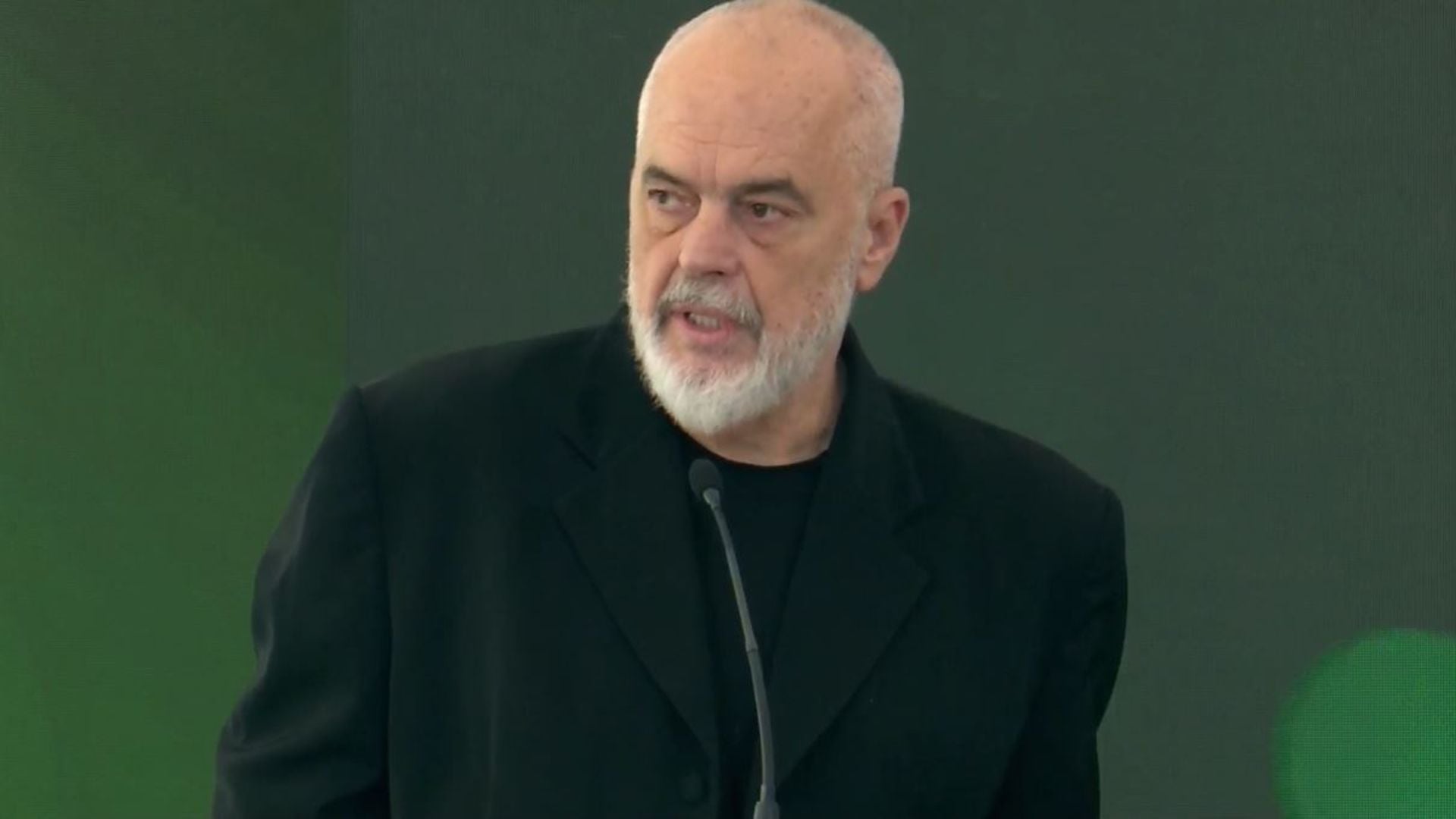
Denial of allegations of removal from property
Rama said that in Albania it has not happened that citizens are forcibly removed from their homes to make way for a private investment. According to him, property owners have not been denied the right to decide whether or not they want to develop their property.
This is the central point of the government’s defense against criticism that has long accompanied major urban projects, especially when they affect housing, private property, and the relationship between developers, municipalities, and citizens.
Foreign architects, between promotion and controversy
The prime minister also rejected claims that foreign architects are used to legitimize problematic interventions or projects outside accepted standards. According to him, debates over urban development do exist, but that does not mean construction in Albania takes place without rules or in contradiction with practices accepted elsewhere.
He presented cooperation with international names as an opportunity for direct training for young Albanian professionals, arguing that it gives them access that under normal conditions would be difficult to secure.
Admission of a lack of capacity for towers
In the same appearance, Rama openly acknowledged that Albania still does not have all the knowledge and capacity required for complex projects such as the construction of towers. This remains one of his strongest statements in this debate, as it directly touches on professional quality and dependence on foreign expertise.
According to him, it is precisely through this cooperation that the foundations of a new school of Albanian architecture are being created, with the aim that in the future local architects will be competitive even outside the country.
The claim of an “open university” of architecture
Rama described Albania and Tirana as a “great open-air university” of architecture, where young people in the field can work closely with well-known names in the profession. According to him, this places Albanian architects in a more favorable position for professional growth.
However, beyond this optimistic interpretation by the government, the public debate remains open not only over the aesthetics and ambition of the projects, but especially over how they affect residents, property, and the model of urban development.
Rama’s statements aim to dispel suspicions of forced displacement and of construction imposed in the name of development. But the fact that the prime minister himself acknowledges the lack of domestic capacity for towers makes the public question even sharper: who benefits, who decides, and how protected do citizens’ interests remain in this construction model?