
Kosovo has signed the agreement paving the way for the involvement of the Kosovo Security Force in the International Stabilization Force in Gaza, a development that expands its role in security operations abroad. At the same time, Albania is also expected to become part of this engagement, initially at staff level.
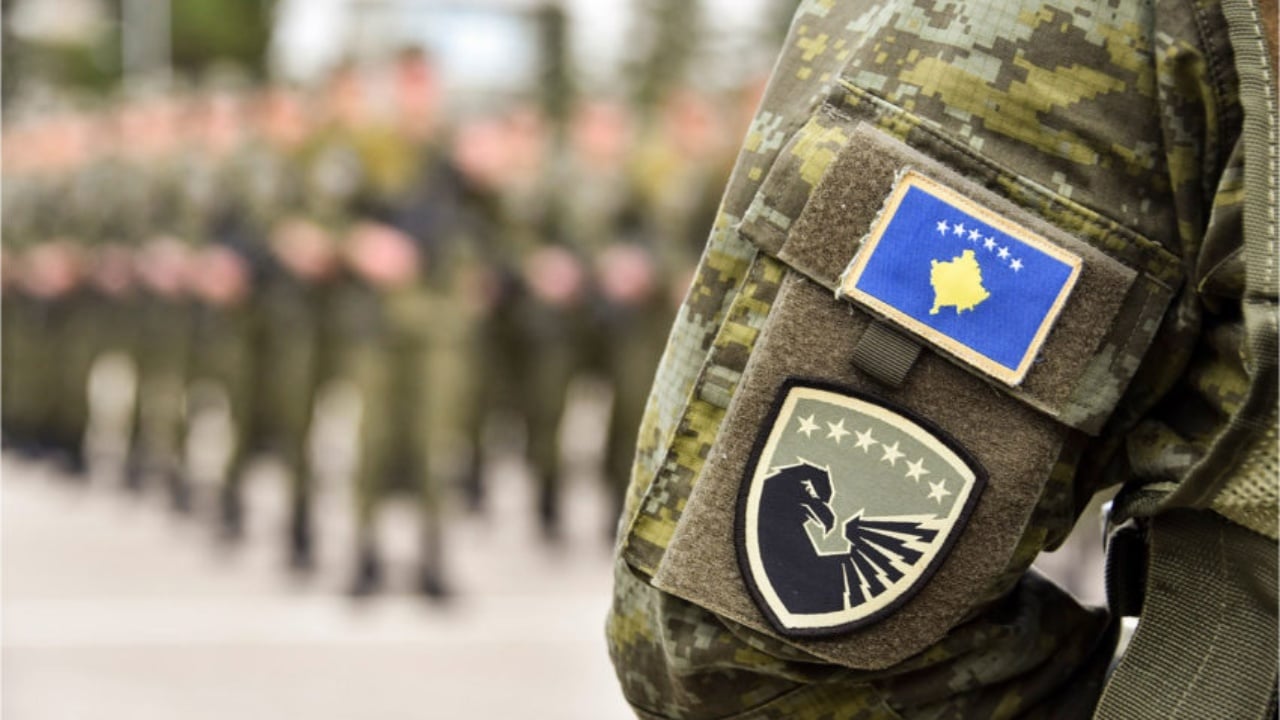
The agreement was signed during the visit of the ISF commander to Kosovo
The signing took place during the official visit to Kosovo by ISF commander Major General Jasper Jeffers and KSF chief Lieutenant General Bashkim Jashari. Also present at the ceremony were acting Defense Minister Ejup Maqedonci, as well as a representative of the Peace Board.
This formalizes the KSF’s involvement in the international stabilization mission in Gaza, at a time when Kosovo’s institutions are presenting it as an expansion of the country’s role in the international security architecture.
Official messages speak of peace and stability
According to the official version made public during the ceremony, ISF commander Jasper Jeffers praised Kosovo’s decision and readiness to contribute to this mission, linking the engagement to efforts for peace, security and stability.
For his part, Bashkim Jashari stressed that participation in international security missions is part of Pristina’s vision to make a concrete contribution to the promotion of peace and security.
KSF presents it as a strategic step for Kosovo’s role
According to the KSF, the agreement represents an important step in strengthening Kosovo’s role in international efforts for peace, security and stability.
In the same vein, the KSF also highlighted the strategic objective of Kosovo moving from a “security importer” to a “security exporter,” a political and institutional formulation that has long accompanied ambitions to raise the country’s international profile in the field of defense.
Albania also plans involvement in the same mission
Albania will also be engaged in this international stabilization mission in Gaza. The first phase, according to the plan made public, will consist of sending staff officers, who will be integrated into the force’s command structure.
A decision on deploying other troops will be made later, depending on developments on the ground and operational assessments. Up to this stage, the authorities have made public only the initial framework of the engagement.
The involvement of Kosovo and Albania in this stabilization structure comes with strong political messaging from security institutions, but for the moment concrete details on the scope, duration and real weight of the contribution remain limited in official statements.
In essence, the agreement marks the formalization of a new role for the KSF in Gaza, while for Albania an initial phase of engagement is opening that will be tested according to developments on the ground.