
Prime Minister Edi Rama has warned of a tougher state approach toward minors involved in acts of violence, putting a sensitive issue on the table as well: lowering the age for criminal punishment. The statement came after the latest protest, with the head of government linking the debate to the damage, clashes with police and the role of parents.
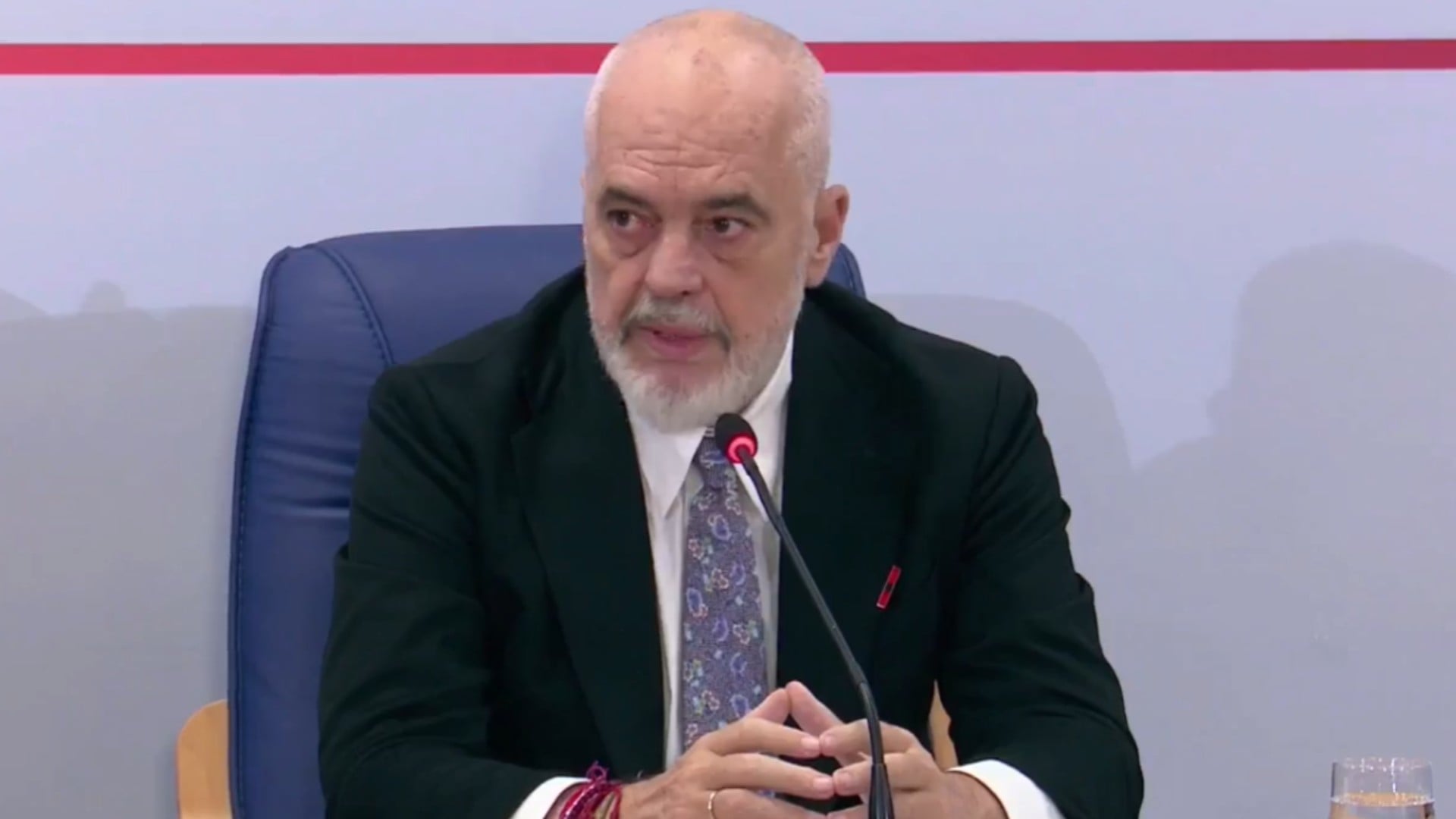
The government puts a tough criminal measure up for discussion
At a meeting with the principals of Tirana high schools, Rama said a package of measures is being prepared for people who use violence, including pursuing compensation for the damage caused.
According to the prime minister’s account, one of the options being studied is lowering the age allowed for criminal punishment, which he said is currently 18. He presented this as part of a broader debate on strengthening the state’s response to minors involved in violent episodes.
Harsh message for protesters who use stones
Rama said he is ready to listen to opponents and protesters, but drew a clear line between protest and violence. According to him, anyone who shows up with stones cannot impose any political agenda.
He warned that in the face of violence there are only two consequences: immediate removal from the scene of the clash or facing the law. The rhetoric used by the head of government shifts the focus to punitive measures at a time when public debate remains divided between security, the right to protest and the responsibility of institutions.
Parents targeted over damage caused by minors
Another strong point of the statement was parental responsibility. Rama said families will share the burden for damage caused by their children, although he acknowledged there are cases where social conditions are difficult and parents need support.
According to him, the logic that a minor’s status excludes them from all responsibility cannot work. He also mentioned court decisions on parental supervision in cases involving the detention of minors, signaling that the government is looking at a combination of criminal instruments and family responsibility.
Social media, another front the government says it will target
In the same statement, Rama also raised the issue of banning social media for children up to the age of 16. According to him, ways must be found to address the pressure, threats and aggressiveness exercised through online platforms against families.
This broadens the debate beyond the protest of the moment and turns it toward a wider package of control and restrictions, for which no concrete details have so far been given on implementation, legal basis or safeguards for children’s rights.
Praise for police and indirect criticism of the court
Rama strongly defended police actions during the clashes, saying officers showed restraint under stone attacks and that the response with water and gas was proportional, according to the government.
At the same time, he said the court had considered the arrests lawful, but suggested dissatisfaction with the way the judicial system approaches such cases. This leaves open a sensitive debate over the relationship between the executive branch, police and courts in handling protests and minors.
The prime minister’s statements signal that the government is seeking a tougher response package after episodes of violence, bringing protest, minors, parents and social media into the same framework.
But a measure such as lowering the age of criminal punishment remains among the most controversial steps, as it directly affects the boundary between public order and children’s rights.