
In a meeting lasting more than two hours at the so-called “Red Villa” in Tirana, the Socialist Party’s political leaders and ministers reported to Edi Rama on the launch of the “Prania Besnike” initiative. At the center of the meeting was how citizens should present their complaints, while the socialist camp also floated the idea that technology, including AI, should be involved in handling them.
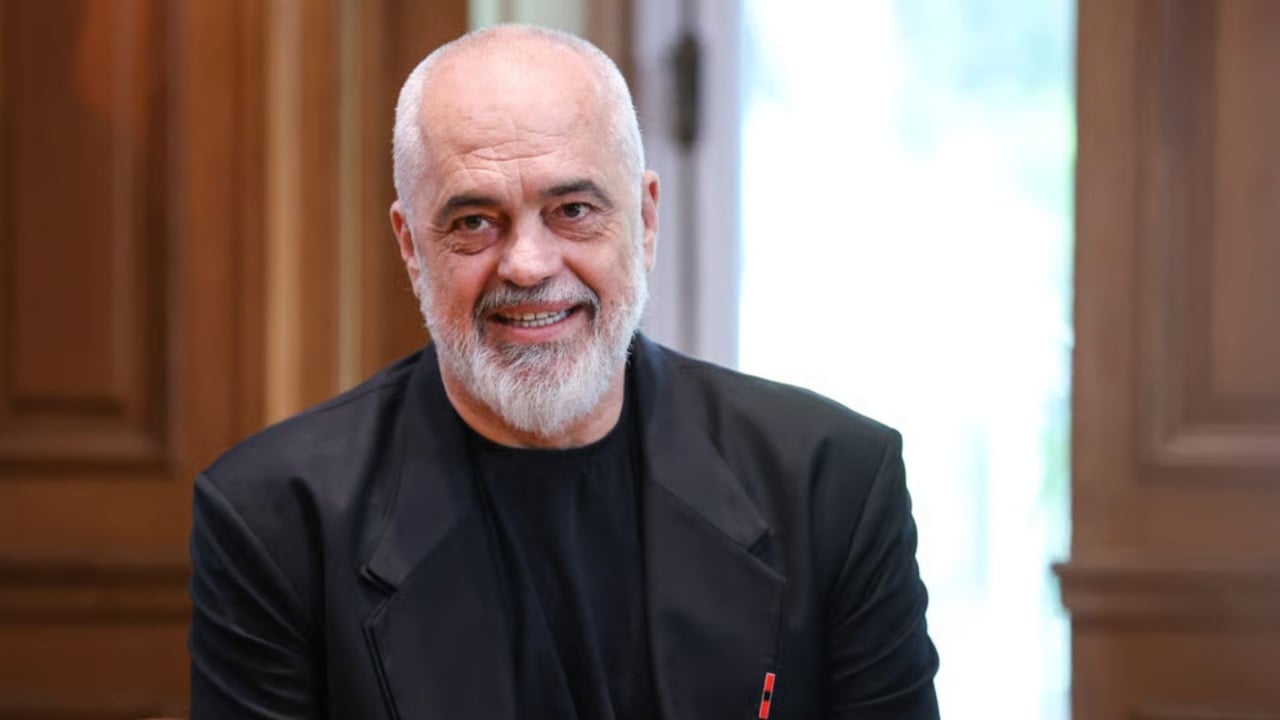
Weekly meeting for political reporting
According to the version made public by the prime minister, the meeting marks the start of a weekly format between political leaders and ministers for reporting and the division of tasks within the framework of “Prania Besnike.” Rama published a video chronicle from the meeting, presenting the process as a closer channel of communication with citizens.
The chosen format places the emphasis on reporting by party and government structures on the problems citizens present on the ground, an approach that also raises questions about the line between the ruling party and institutional functions in the management of public complaints.
Rama asks citizens to speak “calmly”
At the meeting, Rama insisted that citizens should not feel under pressure when presenting their concerns and should not perceive the meeting as public exposure. He said people do not come there to appear on television or Instagram, nor necessarily to be identified.
The prime minister’s political message was that the format of the meetings should create comfort for reporting problems, but it remains to be seen how effective this scheme can be in the real resolution of issues that citizens have long had with the administration and public services.
From “it will go to Edi Rama’s table” to AI filtering
In the discussions made public, Ulsi Manja shared an episode from Dibra, where a citizen had expressed the belief that his problem would end up on the prime minister’s desk. This type of perception, politically nurtured for years, personalizes the chain of solving citizens’ problems around a single figure at the head of government.
Blendi Klosi, on the other hand, spoke about the use of technology in this process. According to him, the system aims for a request to pass for processing as soon as it is submitted, while AI could automatically generate emails with legal references. The claim was presented as a procedural облегчение, although no details were made public about the functioning, filters, transparency, or administrative responsibility of this mechanism.
Complaints: legalizations, old buildings, OSHEE and roads
From field reports, Enea Karakaçi said that in Shkodra the main part of complaints is related to legalizations, as well as to buildings constructed before 1991. This shows that issues carried over for years continue to remain unresolved and periodically return to the political spotlight.
For Lezha, Ermal Nufi identified complaints against OSHEE and road infrastructure, especially roads and bridges, as the main problems. The list of issues raised shows that, beyond new organizational labels, citizens’ basic concerns remain those linked to elementary services and public investment.
The meeting at the “Red Villa” was presented as an exercise in listening and more structured management of citizens’ concerns, but the core of the debate remains the result: whether these complaints will produce concrete solutions or remain part of a political mechanism of reporting and image-building.