
Ilir Meta has reacted to the clash between the First Instance GJKKO and the National Chamber of Advocacy, describing the situation as an unnecessary and avoidable conflict. From his cell, he calls on Parliament to break its silence and intervene in a deadlock that, according to him, is affecting regular court proceedings and increasing costs for citizens, lawyers and the state itself.
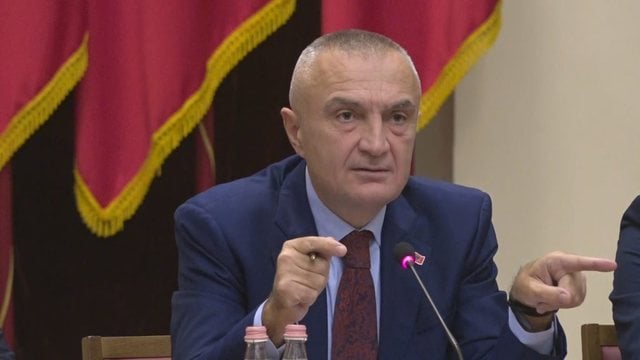
Meta: the conflict was avoidable
In his public reaction, Meta argues that the clash should never have reached this point, recalling that the regulation of the First Instance GJKKO was approved on July 17, 2026, published on July 31, and entered into force on September 1, 2026.
According to him, the fact that the conflict erupted despite these deadlines raises questions about how the issue was institutionally managed and about the lack of a timely response from the responsible bodies.
Consequences for postponed trials and procedural rights
Meta says the deadlock has led to the postponement of dozens of hearings, with direct consequences for delaying trials and undermining regular legal processes.
He also claims that the cost does not fall only on defendants and their family members, but also on lawyers and the state budget, which pays for the transport of detainees from the districts to Tirana. At the core of his reaction is the idea that the institutional blockage is producing concrete consequences, not simply a procedural debate.
Accusations of silence against Parliament and the government
A central part of his reaction concerns the silence of political institutions. Meta criticizes Parliament and the government for failing to intervene, while calling for dialogue between the parties to be encouraged and for changes to the law on lawyers.
According to his version, institutional inaction is fueling a situation that harms public trust in justice. He presents this as avoidable chaos, while calling for concrete solutions and not only statements.
He also links it to his own case at GJKKO
Meta has also linked the clash to the proceedings against him at GJKKO. He says he has not missed any hearing and has expressed willingness for the trial to continue, but raises criticism over the way, according to him, the issue of pretrial detention deadlines has been handled.
According to his claims, the prosecutor requested the suspension of pretrial detention deadlines without seeking the appointment of a court-assigned lawyer, while the court accepted this request without making such an appointment. Meta interprets this as part of a broader problem that he describes as a deviation from the Justice Reform.
The clash between the First Instance GJKKO and the National Chamber of Advocacy remains a direct test for the functioning of the system, especially when procedural blockages translate into postponed hearings and uncertainty over the rights of the parties.
Meta’s reaction also shifts the debate to political responsibility for inaction, calling for the deadlock not to be treated as an administrative routine, but as an issue that affects trust in justice.